
The Cabinet Office’s propriety and ethics team broke into a safe and destroyed the department’s copy of a historic bullying investigation into the new head of the civil service.
In 2022 Darren Tierney, the then director-general of the government standards watchdog, asked maintenance staff to force open the vault. He later said he had wanted access to a confidential report about Dame Antonia Romeo, who Sir Keir Starmer appointed as cabinet secretary last week. The Cabinet Office said her case had “nothing to do” with the break-in but declined to say why it occurred.
Romeo had faced allegations relating to her use of expenses and treatment of staff while posted to New York in 2017. The investigation found she had a “case to answer”, although the decision was overturned.
Tierney, now the permanent secretary of the Office for National Statistics (ONS), is seen internally as a friend and longstanding supporter of Romeo. He had worked for her at the Department for International Trade (DIT).
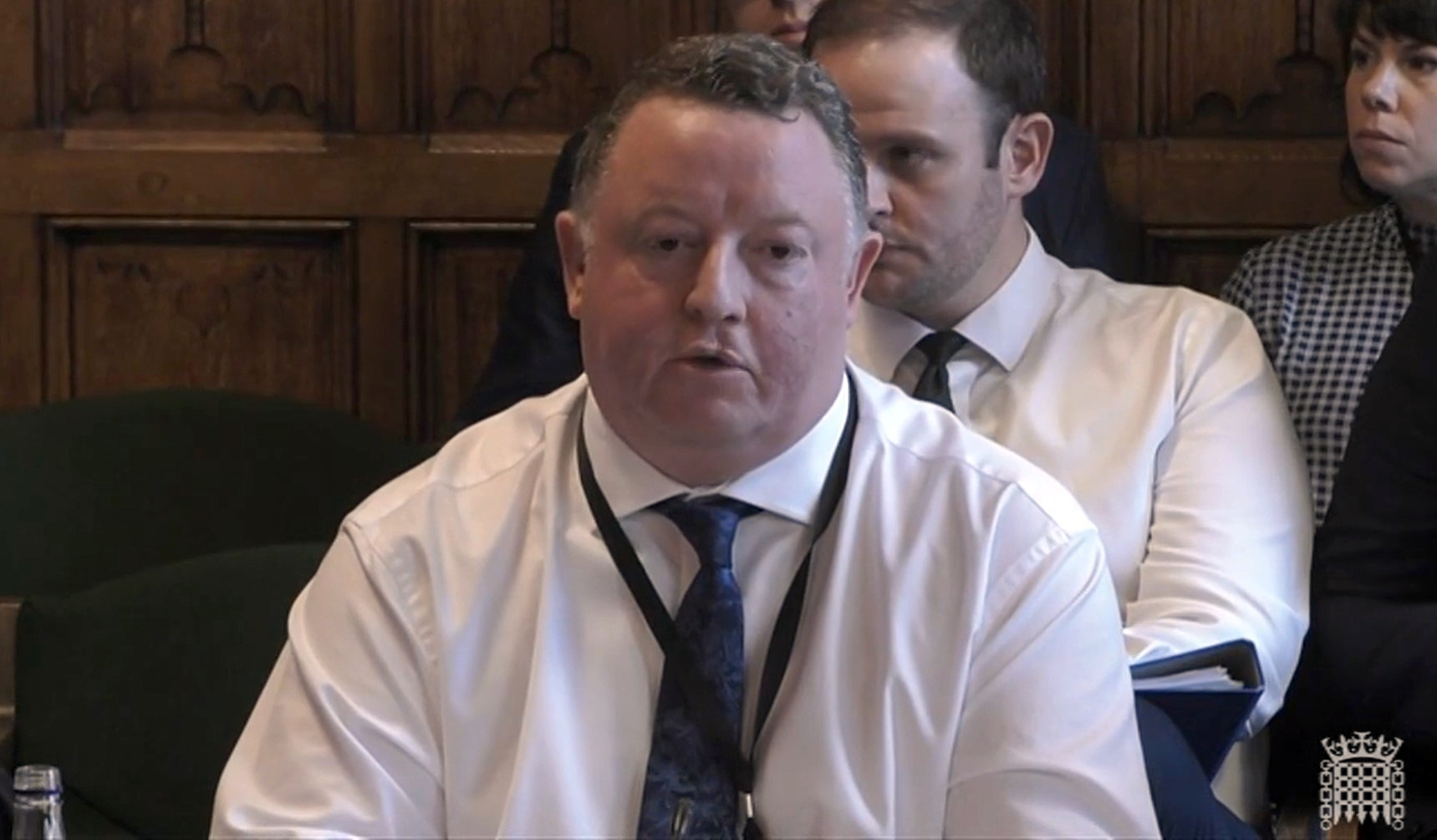
Darren Tierney
HOUSE OF COMMONS/UK PARLIAMENT/PA
After the break-in, he told friends he could not find the code for the safe but urgently needed the bullying report to help with the redaction process for a forthcoming memoir by Lord McDonald of Salford, a former Foreign Office permanent secretary.
McDonald, a critic of Romeo who broke cover last week to say more “due diligence” needed to be done in relation to her appointment, had recently given the Cabinet Office a draft copy of his book, Leadership: Lessons from a Life in Diplomacy. It included an extensive anonymised section about Romeo.
Tierney said he required the paperwork related to the original investigation to ensure McDonald had complied with the Radcliffe Rules on memoirs. The guidance, which dates to 1976 and is notoriously difficult to enforce, says officials must not “profit improperly” from their experience or damage “the integrity of government”. He ordered the break-in after apparently concluding nobody else internally knew the code. Simon Madden, the newly appointed director of the propriety and ethics team, who reported to him, is also thought to have been involved in the decision.
Tierney then disposed of the Romeo document. He is thought to have destroyed other files, including emails from alleged bullying victims and documents illustrating how the civil service leadership dismissed the complaints despite the finding there was a case to answer. Files related to other historic cases were also thrown away.
He told colleagues he did so in line with guidance from the civil service human resources department, which apparently said files should be destroyed after three years.
It appears there is no formal requirement to do so. A Cabinet Office document dated 2015 says documents including paper files “that require management beyond a three-year period should be stored in approved records repositories”.
A former senior civil servant involved in the conversations said it was “extraordinary” and laughable to suggest the document had to be destroyed. They noted that, at the time, the report had already been held by the Cabinet Office for half a decade. They added that it was common practice for the ethics team to preserve sensitive records to assist with appointments or media inquiries years after the events in question.
Another Whitehall source said that in July 2020, when the bullying allegations were first reported in the media, the document in the safe was essential in allowing the government to issue accurate public statements.
The disclosure will add to concerns about the unusually short process leading to Romeo’s appointment last week, including whether those responsible for her vetting had access to the full investigation. A government source said those involved did have access to the report, but declined to specify at what point during the process it was acquired.
One civil servant said officials appeared not to have the report, claiming that, shortly before Starmer awarded her the £200,000-a-year role, they were contacted seeking information about its contents. Another Whitehall source said copies of the report had “disappeared”, among them a Foreign Office version.
Starmer appointed Romeo as the nation’s most senior official, putting her in charge of half a million civil servants, days after the sacking of Sir Chris Wormald, who left with a six-figure payout after losing the prime minister’s confidence.
In relation to the claim that Tierney accessed the safe to obtain the report, a Cabinet Office spokesman said: “This is entirely incorrect. A broken safe was manually opened after multiple unsuccessful attempts to open it. This had nothing to do with any HR report or the cabinet secretary.”
Of the bullying report, he said: “There was one formal complaint which was raised nine years ago, thoroughly investigated, and all allegations were dismissed on the basis that there was no case to answer. It is entirely inappropriate to attempt to resurface these dismissed HR proceedings almost a decade later.”
• Who is Antonia Romeo? Mandarin tipped as first female cabinet secretary
Starmer has defended Romeo as an “outstanding public servant, with a 25‑year record of delivering for the British people”. The government said there was no need to follow the usual vetting process as Romeo was subjected to rigorous due diligence when applying for the job previously. Allies describe her as a disruptor and have dismissed criticism of her as misogyny and a reflection of inertia within the civil service.
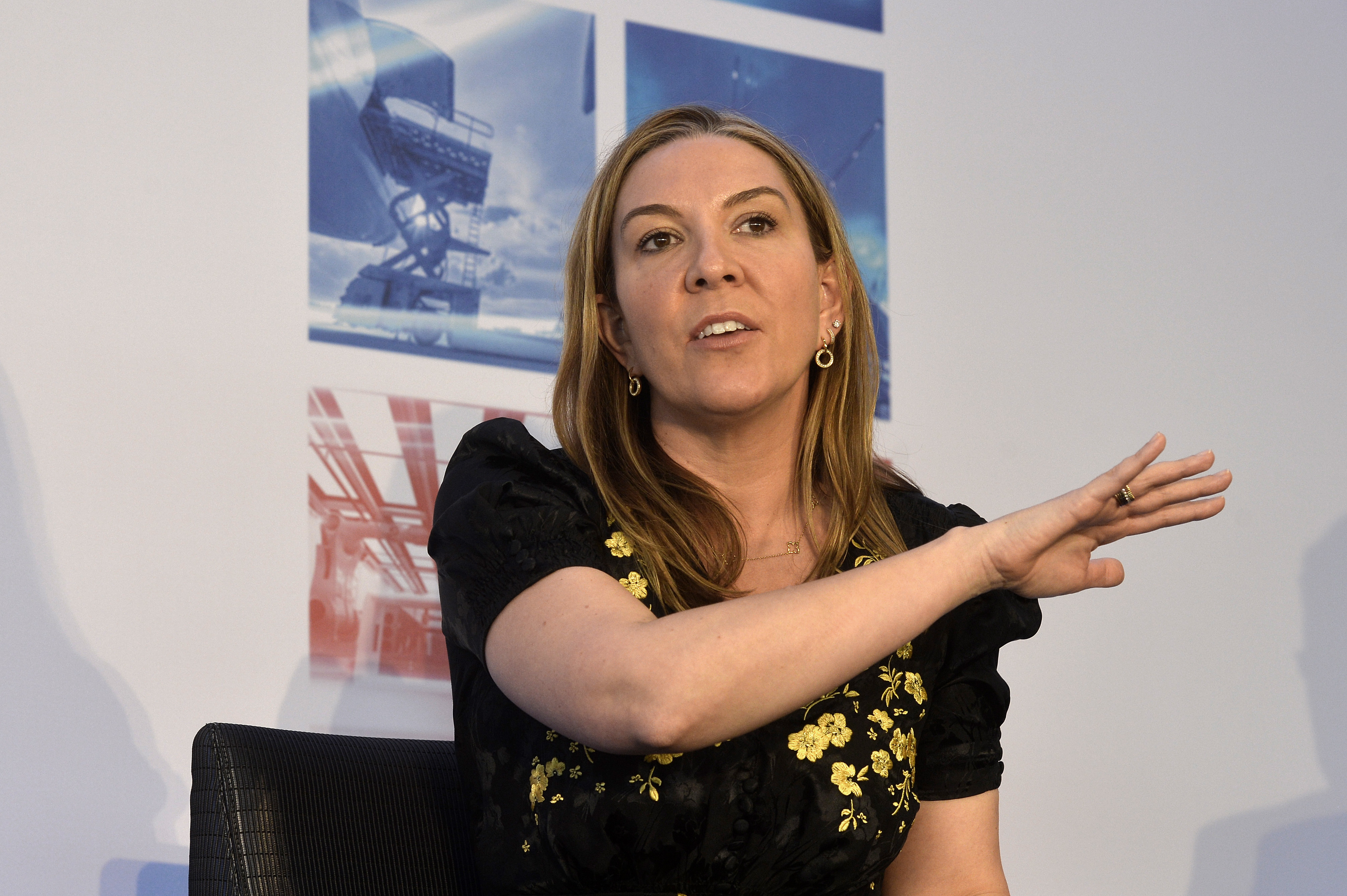
Romeo in 2019
MARY TURNER FOR THE TIMES
Yet her appointment has led to renewed scrutiny of her record, including her time as consul-general in New York, when junior staff, most of them women, complained about her behaviour. She was accused of hindering the careers of those with whom she had seemingly routine workplace disagreements, prioritising her social media following, and seeking a redecoration of her official residence costing $100,000. When the cost was questioned, she allegedly asked Farrow & Ball to provide free paint in return for publicity.
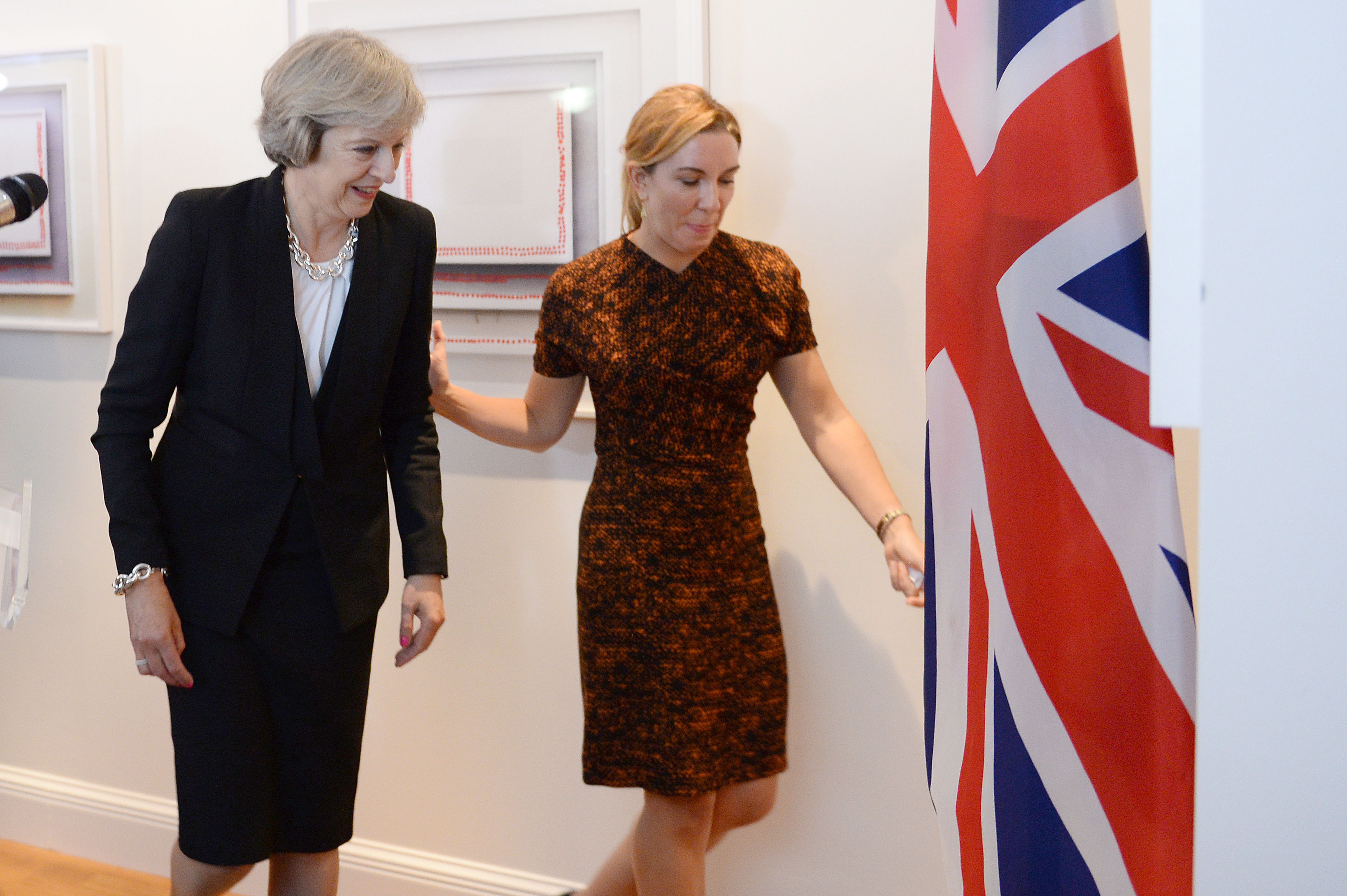
Romeo with Theresa May at the 2016 United Nations general assembly in New York
STEFAN ROUSSEAU/PA
Sir Tim Hitchens, a former ambassador to Japan who is now president of Wolfson College, Oxford, was flown in to conduct a week-long inquiry. His report concluded there was a case to answer. However, the finding was dismissed by the Cabinet Office, which, as her overall employer, had the ultimate say on next steps.
John Manzoni, then the Cabinet Office permanent secretary, and Rupert McNeil, then the government chief people officer, made the decision. In a letter marked “official sensitive” dated March 2017, McNeil confirmed there was “no case to answer” despite the original finding. He said: “I appreciate processes of this type are always distressing, but as discussed, they are rich sources of feedback about management and leadership style. “I know from our conversation that you are very alert to this, and this process has given you rich insight.”
Romeo left the Foreign Office at this point, taking up a role as permanent secretary of the DIT. She later became permanent secretary at the Ministry of Justice in 2021.
At the DIT, she worked with Tierney, who was director-general for global trade and investment. He later went onto become director-general of the propriety and ethics team, playing a key role in the investigations of gatherings at Downing Street during the pandemic.