
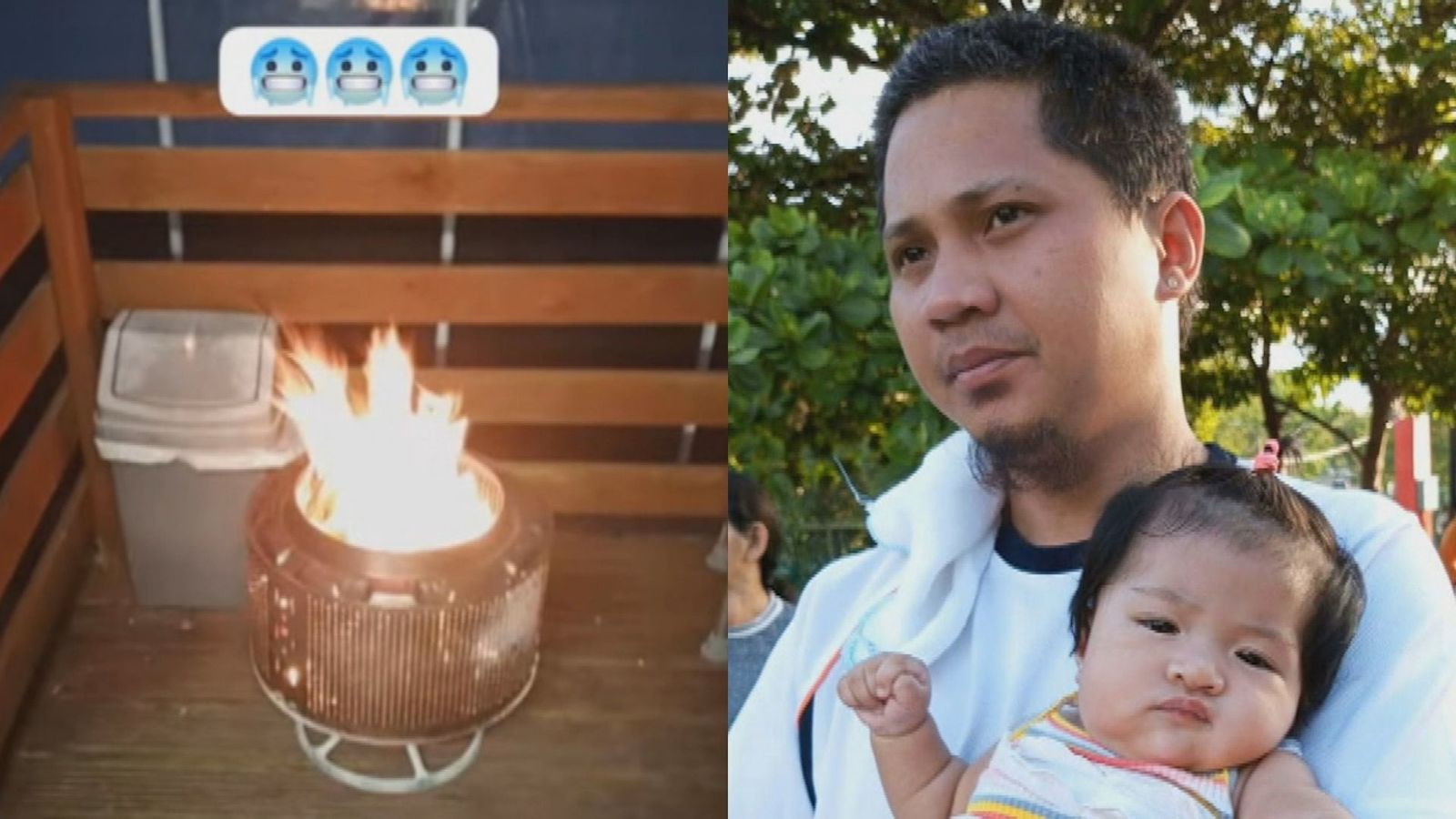
A Filipino migrant worker who died after lighting a fire to keep warm was living in a “property unfit for human habitation”, an inquest has heard.
George Michael Monte De Ramos Castrudes, 37, was killed by the blaze at his accommodation on Jersey‘s La Valette Nurseries farm in January 2025 – he suffered a hypoxic brain injury caused by carbon monoxide poisoning.
Robert Cragg, an Environmental Health Officer for the Government of Jersey, told the court there was “insufficient heating to keep the unit warm” and it was “impossible to heat in a cost-effective manner”.
He explained that without heating, the cabin’s base temperature was just 0.3 degrees Celsius – which is not a habitable level.
Mr Cragg said the smoke detector was also not working at the time of the fire, and it is the landlord’s responsibility to ensure minimum standards are met.
However, due to a loophole in Jersey law, most properties which are currently licensed for rent do not legally have to meet these requirements until permits are renewed under the tougher regulations.
He admitted there have been no targeted inspections of farm worker accommodation in Jersey since Mr Castrudes’ death over a year ago.
Mr Cragg stated they would like to inspect every property “over a period of years” but with a team of eight officers, “Rome wasn’t built in a day”.
Adrian Aquino, who had previously worked and lived with Mr Castrudes on the farm, told the inquest in St Helier that their “one small heater was not enough”.
He said the farmer, Nigel John Blake, knew the accommodation was cold and that they asked him for thicker bedding but were told they needed to buy it for themselves.
He added that the farmer had offered them a larger heater but Mr Castrudes refused as he was worried about the electric bill and would unplug their small unit at 3am to save money.
Nigel Blake told the inquest that he had given them a blanket and jumpers to keep them warm.
Mr Aquino explained that Mr Castrudes had resorted to sleeping in the farm’s greenhouse because it was warmer than their cabin.
He stated that the washing machine drum where Mr Castrudes started the fatal blaze had been given to them by the farmer to use as a fire pit, but he had told them “strictly to use it outside on the grass … don’t use it near accommodation”.
Mr Aquino said the pair had been warned about removing the battery from the cabin’s smoke alarm by the farmer, who told them it was illegal.
Mr Aquino admitted they had taken the battery out previously as the fire alarm sound was too loud when they were cooking.
Mr Aquino moved out six days before the fire.
At the time of the fire, Mr Castrudes is believed to have been alone in the cabin.
The inquest heard that Jersey’s Fire Service determined there was a battery in the cabin’s fire alarm, but its power was too low to work effectively, and it is the landlord’s responsibility to ensure it is working.
Nigel Blake said he only checked the fire alarm once, in May 2021, and that the tenants “never raised concerns about the quality of accommodation or any issues with smoke detectors”.
The shared cabin that Mr Castrudes was living in shows two single beds and one electric heater. Credit: Family of George Michael Monte De Ramos Castrudes
Nigel Blake said Mr Castrudes was employed as an agricultural worker on a nine-month fixed contract when he died.
He described him as an “excellent employee” who “never gave me cause for concern” and added that the Blake family are closing the farm permanently this week.
Detective Constable Paul Lovesey from the States of Jersey Police Financial Crimes Unit told the inquiry that Mr Castrudes was paid at least four times a month by the Blakes and received just under £16,000 before deductions between January 2024 and January 2025 – which complies with the island’s minimum wage.
However, Mr Castrudes was only paid on time once during this period, usually receiving his salary a couple of days late.
Mr Lovesey revealed that Mr Castrudes also sent three-quarters of his 2024 salary to his family back home in the Philippines.
Mr Lovesey concluded that it was Mr Castrudes’s choice to do this and “had he not been sending a big proportion of his income home, he would have been able to afford electricity”.
Paul Blake, who owns La Valette Nurseries in Grouville with Nigel and David Blake, also provided a statement to the inquiry.
He said that Mr Castrudes worked a minimum of 40 hours a week and longer in the summer.
Paul Blake added that no issues were reported with the accommodation and they charged Mr Castrudes and Mr Aquino a total of around £1,000 per month for the cabin, plus electricity bills.
The inquest continues, with a verdict expected on Friday (27 February).
Mr Castrudes lived on site at La Valette Nurseries in Grouville when the fire broke out. Credit: ITV Channel
Want a quick and expert briefing on the biggest news stories? Listen to our latest podcasts to find out What You Need To Know…