
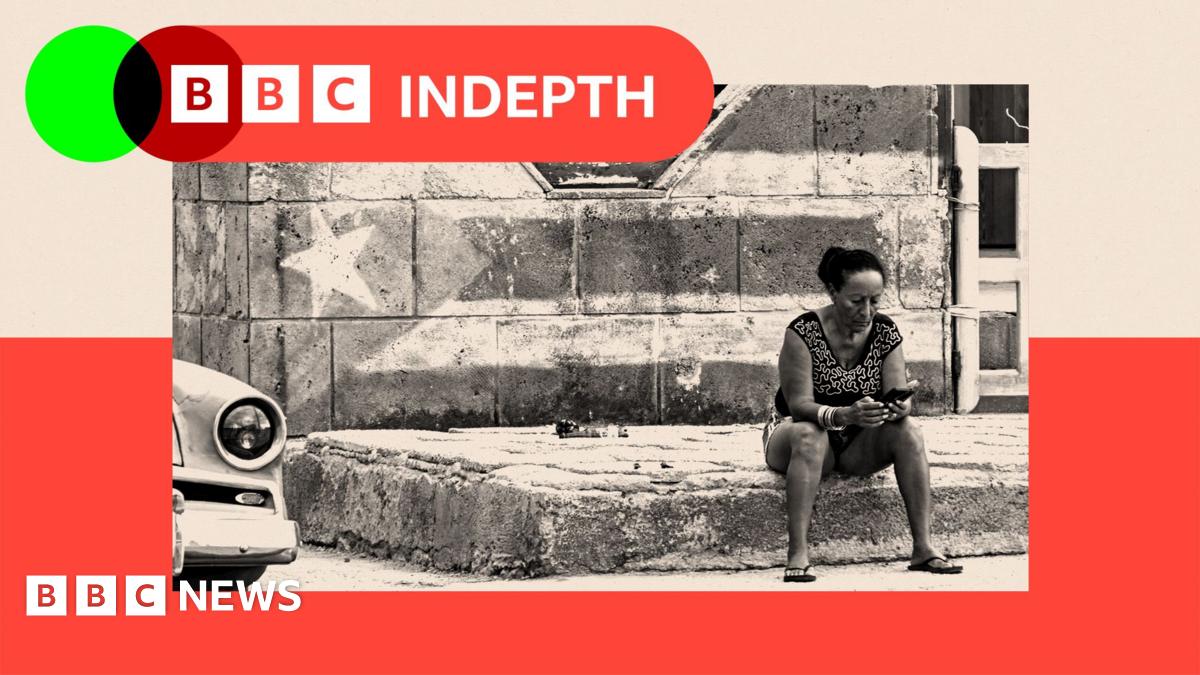
The decades-long US economic embargo on Cuba has been ramped up like never before: US President Donald Trump has threatened tariffs on any nation which sends oil to the stricken island.
None of Cuba’s traditional allies – whether Mexico, Russia, China, Vietnam or Iran – have stepped up to fill the void left by Venezuela, although the US Treasury this week said it would relax restrictions on a limited number of oil sales, to “support the Cuban people for commercial and humanitarian use.”
The move comes amid rising tensions between Washington and Havana. Cuba’s government has reported that its border guards fatally shot four people travelling in a US‑registered speedboat. It said the individuals were Cuban nationals living in the United States.
US Secretary of State Marco Rubio said the US was investigating the “highly unusual” incident.
“Washington’s old playbook on Cuba doesn’t apply anymore and whoever hasn’t appreciated that yet is in for a shock,” says Cuban economist, Ricardo Torres. “Trump is changing the rules of the game.”
Trump has declared that “Cuba is ready to fall”, intensifying pressure on the island at its most vulnerable moment since the Cold War. Some commentators have said one of the aims of Washington’s removal of Maduro in Venezuela was to deepen Cuba’s economic crisis. It appears the Trump administration hopes to weaken the revolution – possibly terminally – and push for the collapse of state-run socialism on the island.
The underlying calculation is straightforward: that a worsening internal crisis could create the conditions for the Cuban Revolution to unravel from within. What remains far less certain is whether such a strategy will force regime change, or whether the communist-run Cuban government will, as it has in past crises, find new ways to endure.