
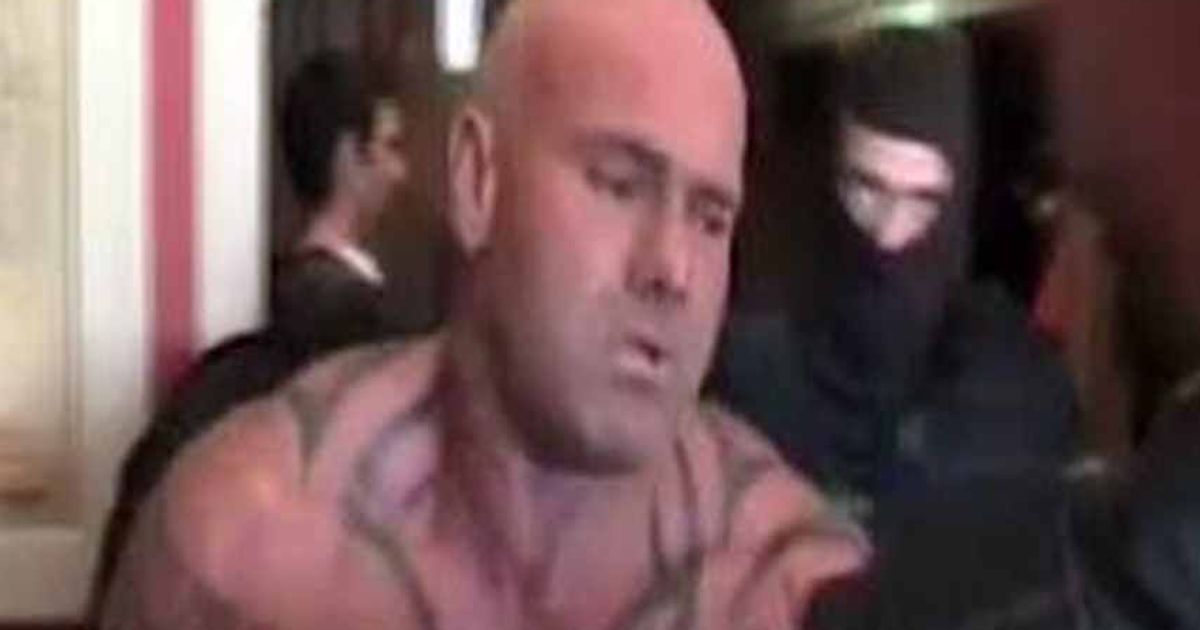
Mark Lilley was sentenced to 23 years in prison in his absence after skipping the UK whilst under investigation
19:45, 01 Mar 2026Updated 19:47, 01 Mar 2026
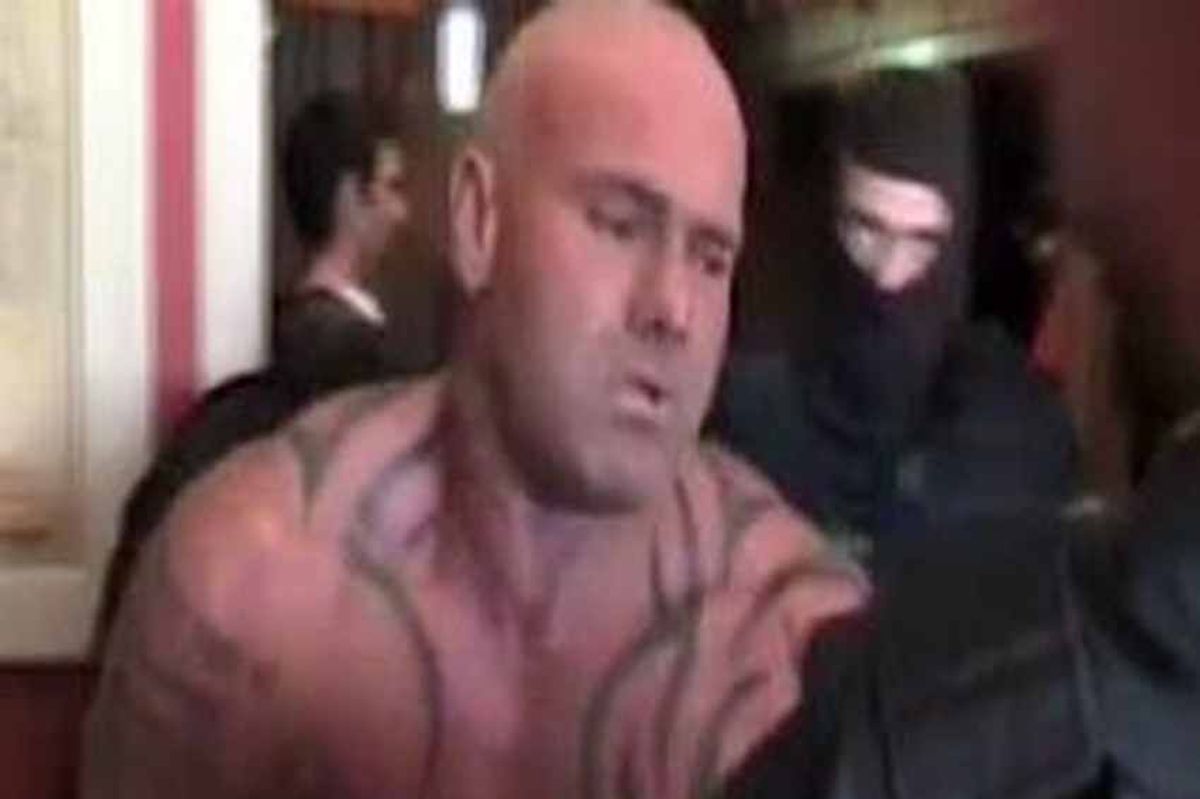
Mark Lilley following his capture in Spain
A fugitive gangster who spent over a decade on the run was found naked and cowering inside a panic room in his Costa del Sol villa. Mark Lilley, originally from St Helens but living in Warrington at the time of his disappearance, went on the run in 2000 when he skipped bail during a trial for drug trafficking.
Lilley, who went by the nicknames Fatboy, TJ, Big Vern and Mandy, was sentenced to 23 years in prison in his absence for trafficking huge amounts of cocaine and heroin. He was one of the UK’s most wanted criminals before he was finally apprehended and extradited in August 2013.
As part of a weekly series looking back at Merseyside’s criminal history, the ECHO has taken a closer look at Lilley’s offending, the subsequent manhunt and how specialist police officers finally got him back to face justice.
Lilley was found guilty in his absence of conspiracy to supply cocaine, heroin, ecstasy, amphetamines, cannabis and cannabis resin, and possessing a firearm. He was convicted alongside two men, one of Warrington and the other of Wigan, who were handed sentences of 14 and 10 years.
His trial revealed how Lilley trafficked huge amounts of drugs, while his violence made him feared by his associates and enemies alike. He was eventually brought to justice after National Crime Squad officers installed a listening device inside his home in Earlestown.
When Lilley fled, the National Crime Squad and Interpol launched a joint operation to bring him back to the UK. At one point it is thought he may have moved to Northern Cyprus along with other British fugitives. There were also unconfirmed reports of him being sighted in the Netherlands and southern Spain.
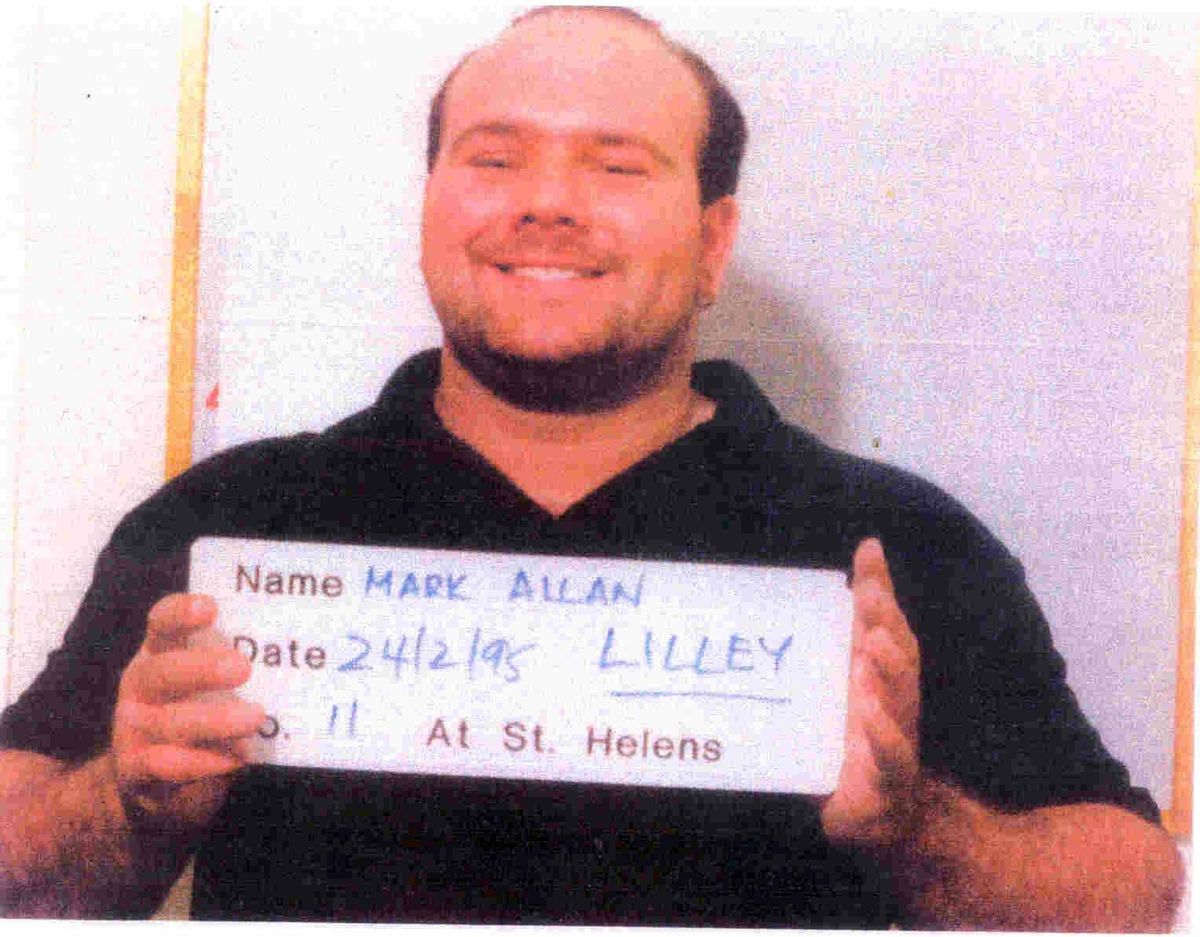
The original mugshot of Mark Lilley
After his disappearance, his former girlfriend and the mum of his son was jailed for four years for laundering his drugs cash. But Lilley was not to be seen, until a chance sighting in 2003. An off-duty police officer who went to the same school as Lilley saw him in a Tenerife resort.
Lilley was reported to have been behind the wheel of a top-of-the-range Mercedes when the officer spotted him. A National Crime Squad spokesperson said: “We can confirm this sighting and we are looking at how best to use this information. The policeman was not on duty at that time but is helping as much as he can.”
Six foot Lilley, who weighed 20st, was described as a “very dangerous man with access to firearms and is one of the worst type of drug dealers“. But the sighting was as close as investigators could get for another decade before an armed raid on Lilley’s Costa del Sol home.
Mark Lilley captured in Spain
Footage captured the moment armed police officers carried out a dramatic raid at his Spanish bolthole. Forty Spanish officers stormed the villa by scaling the gate and smashing down the door. They then uncovered Lilley in a bolted panic room concealed behind a wardrobe.
He had been watching the raid from a computer linked to CCTV cameras surrounding the Andalusian villa and had a handgun at his side. But surrounded and with nowhere else to go, the heavily-tattooed crook eventually gave himself up after a number of failed attempts by cops to smash their way into the panic room.
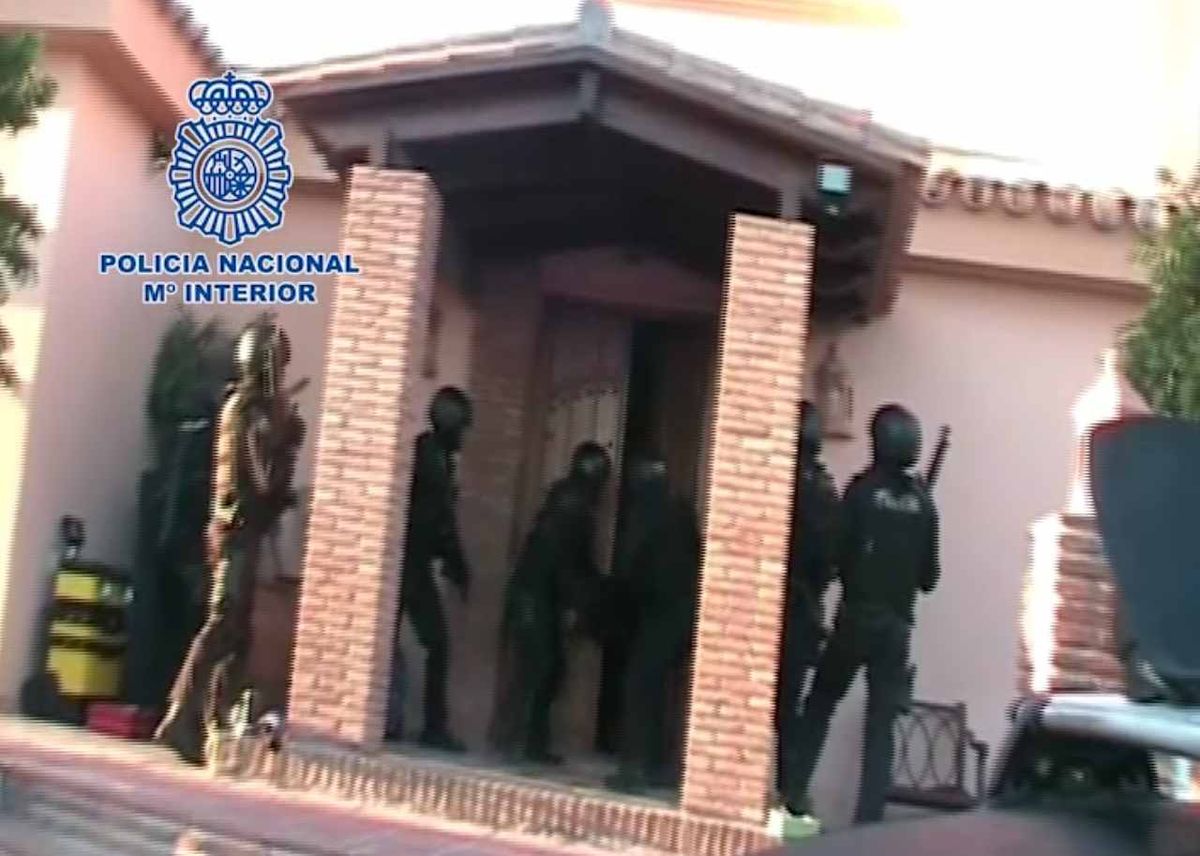
Police break down the front door of Mark Lilley’s villa
Lilley was handcuffed, wrapped in a towel and hauled out of the villa into a waiting helicopter. The ECHO later reported how Lilley was alerted to the police operation when several hunting dogs he kept in his garden started barking.
Dave Allen, head of the fugitives unit at the Serious Organised Crime Agency, which apprehended him, said: “Lilley was a dangerous man with access to firearms. He had evaded capture for a long time by moving around Spain and using false identities.
“Now he’s behind bars where he belongs and extradition proceedings are underway. My message for other fugitives on the run is a simple one – we will hunt you down and you will face justice for your crimes.”
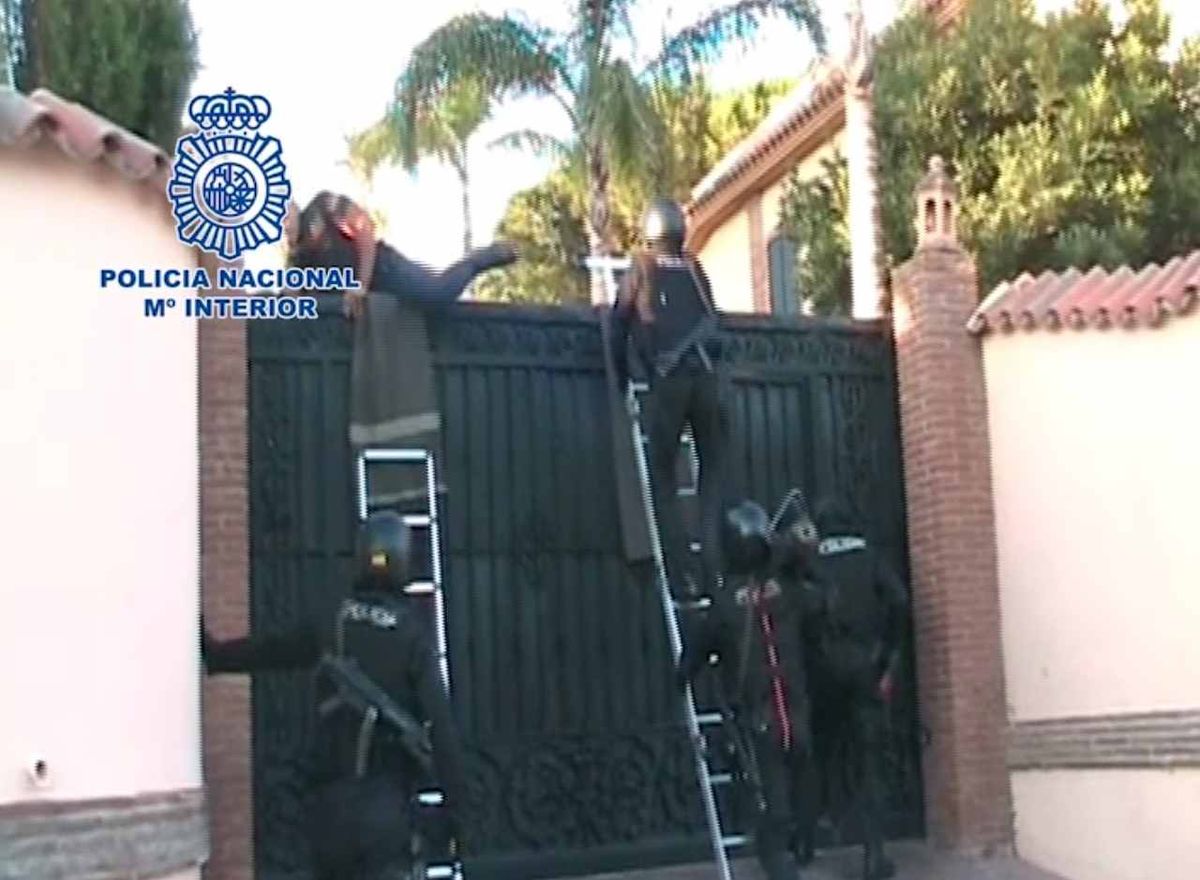
Police make their way into Mark Lilley’s Spanish villa
Lilley was later produced from a high-security prison in Madrid to face extradition. The ECHO previously reported how he did not consent to the extradition but a judge considered the case and ordered his return. He was flown back to a British military base and onto prison.
Following his detention in Spain, his legal team launched a legal challenge over the legitimacy of his extradition. His lawyers produced papers claiming Spanish authorities only agreed to release him on the guarantee that he would be handed a re-trial over his drugs trafficking conviction.
The extradition papers, signed by a Madrid judge, state “once he has been surrendered, a new trial must be held should it be requested by the person concerned or his defence”. Lilley’s defence counsel claim prosecutors and the National Crime Agency (NCA) ignored the terms of the deal and did not tell Lilley about the “impossible guarantee” of a retrial.

CAPTURED: Mark Lilley is held by Spanish police
The Crown Prosecution Service (CPS) argued the extradition was “entirely lawful”. But Anthony Barraclough, for Lilley, said: “It seems that the UK received him back despite knowing of the terms of the order and never informed him of it. It would have remained unknown had we not found it in the extradition documents we demanded from the CPS.
“Mr Lilley was never shown any papers, nor was it explained to him by the duty lawyers in Spain. The CPS and the NCA should have raised the matter with the Spanish court in the period between the granting of the extradition and the private plane taking off three weeks later. Had they gone back to the Spanish for clarification then the court probably would not have not extradited him.”
At the High Court, his lawyers demanded his release, claiming his extradition was illegal and trampled his fundamental rights. One of the country’s most senior and well-known judges, Sir Brian Leveson, agreed that there were “highly regrettable” flaws in the extradition process.
But he threw out the appeal, rejecting accusations that the Serious Organised Crime Agency acted in “bad faith” and was “wilfully blind” to his rights. The public would think something had gone seriously wrong with the justice system if Lilley were allowed to walk free, the judge said.
Ensure our latest news and what’s on headlines always appear at the top of your Google search by making us a preferred source. Click here to activate or add us as a preferred source in your Google search settings.