

Listen to this article
Estimated 4 minutes
The audio version of this article is generated by AI-based technology. Mispronunciations can occur. We are working with our partners to continually review and improve the results.
A prominent labour organization in Newfoundland and Labrador that was pushing hard for topsides construction contracts on the Bay du Nord production vessel says a plan to invest in a massive floating dry dock will more than offset the loss of any work on the topsides.
“This is a pivotal moment for Newfoundland and Labrador, and generational from a work perspective,” said Bob Fiander, executive director with TradesNL, an umbrella organization representing more than a dozen building trades unions.
Fiander was reacting to Tuesday’s announcement that a benefits agreement had been reached between the provincial government and the two oil companies behind the massive Bay du Nord offshore oil project.
The agreement will see more than $6 billion in direct revenues flow into the province’s treasury over a 25-year period from royalties and corporate taxes, if Equinor and BP make good on a plan to begin producing oil at the Bay du Nord field by 2031.
A creative twist to get TradesNL onside
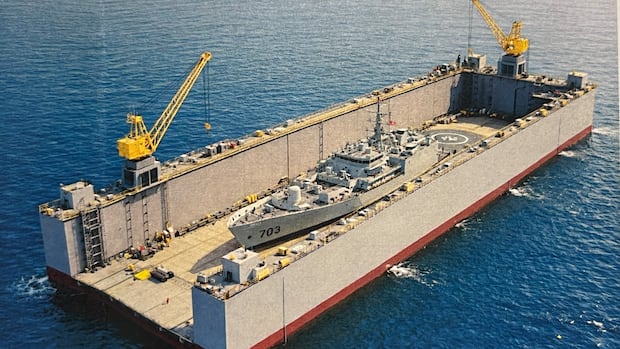
But in a creative twist that helped get the agreement across the finish line, and win the support of TradesNL, the oil companies agreed to pay for a $200-million fabrication fund that will be used to help build a massive floating dry dock at the Bull Arm fabrication facility in Trinity Bay.
The dry dock will be owned by the province’s oil company, OilCo.
The money is compensation from the oil companies for refusing to guarantee that topside modules for the Bay du Nord production vessel will be constructed in the province, as was demanded by TradesNL.
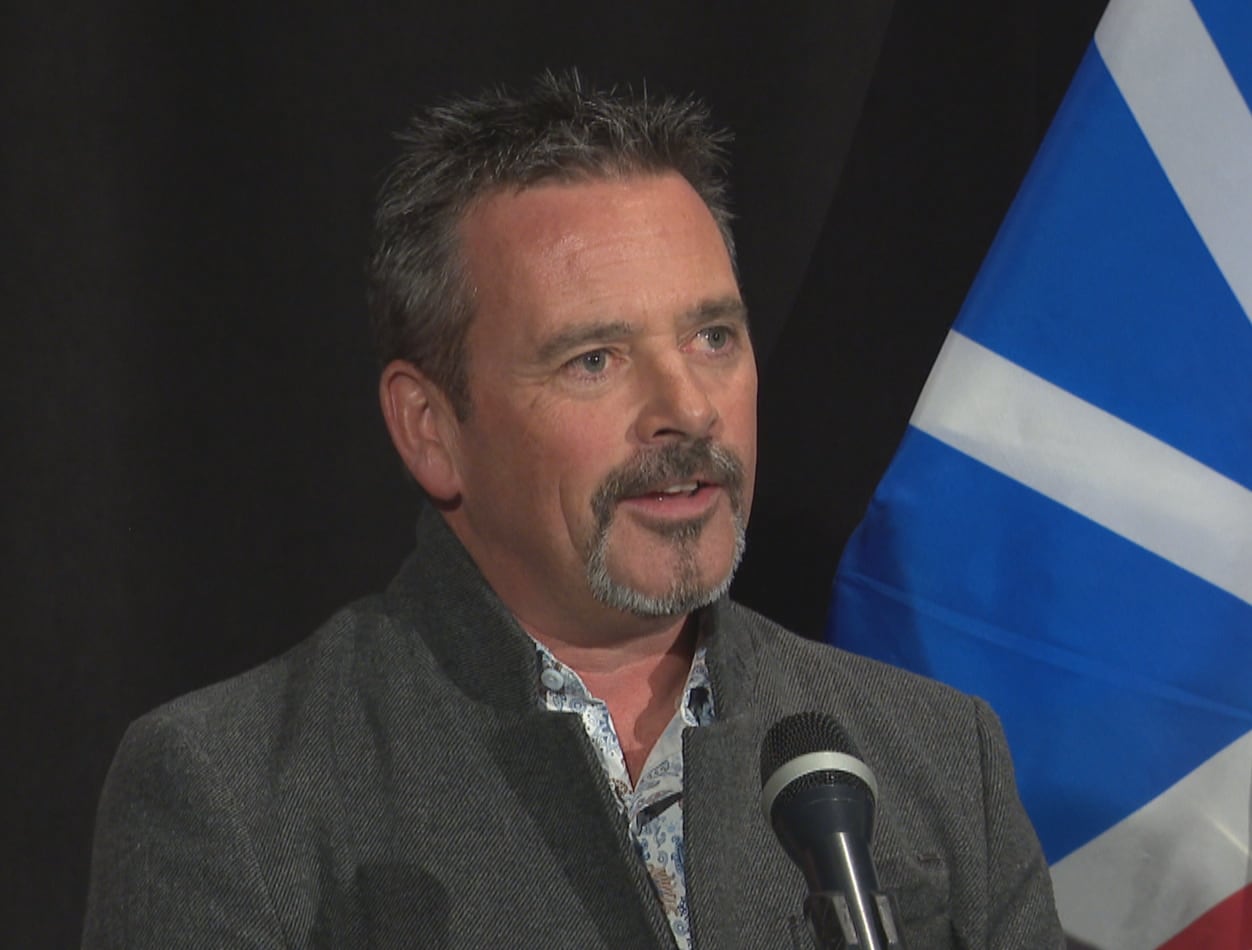 TradesNL executive director Bob Fiander reacted positively on Tuesday to a plan to construct a massive floating drydock at Bull Arm as part of a benefits agreement related to the Bay du Nord oil project. (Mark Quinn/CBC)
Local companies can still bid on topsides contracts, but Equinor says it will only award the work to companies that meet cost and schedule timelines for the project, and officials say that countries in Asia have a competitive advantage.
Local construction became a key issue during last fall’s provincial election, when TradesNL endorsed Tony Wakeham and the PC campaign, with both sides forming a united front to lobby hard for local construction of Bay du Nord topsides.
The PCs went on the win the election and form a majority.
When it became clear that Equinor would not guarantee local topsides construction, Wakeham said the idea of building a dry dock surfaced, and all sides agreed on the approach.
“We switched focus to create long-term permanent jobs,” said Wakeham.
“The $200 million kind of links to what could have been if we were to guarantee [topsides construction],” said Tore Loseth, Equinor’s manager in Canada.
Fiander called it a good trade-off.
“I think over time the work on the dry dock through maintenance is going to dwarf the topsides construction,” said Fiander.
Fiander also praised Wakeham and Energy Minister Lloyd Parrott, saying the PC government “did deliver, absolutely.”
Dry dock to kickstart new industry
It’s envisioned that the dry dock will be leveraged to kickstart a new vessel repair industry, and take advantage of the billions of dollars the federal government is pouring into a national defence strategy.
The dry dock will be able to accommodate the largest ships in the navy and the coast guard at a time when there’s a considerable backlog for repair and maintenance work on larger vessels.
“We have an opportunity now with this dry dock to construct it in its entirety at Bull Arm, by unionized trades people, and when that construction is complete and goes into operation, we have so many opportunities in the defence sector,” said Fiander.
The provincial government plans to spend more than $2 million on an engineering and design study, and will also look to partner with the federal government on the dry dock, said Wakeham.
Similar projects have come with a price tag of up to $350 million, officials said, and the province plans to backstop the project.
“We’re going to spend whatever is necessary to make this industry work,” Wakeham said.
The dry dock is expected to measure roughly 160 metres in length, 45 metres wide, and have a lift capacity of 18,000 tonnes, making it the largest floating dry dock in Eastern Canada, according to officials.
It will take between four to five years to complete the project, with hundreds of construction jobs.