
Sir Simon Gass, a former British ambassador in Tehran, described Iran as “a patchwork of different ethnicities” with a Persian majority and significant minorities of Kurds, Balochs, Arabs and Azeris.
“If the United States and Israel find a way to ignite some of those groups into armed insurrection against the regime, it will be another problem which the regime needs to manage. It will be extremely difficult,” he told BBC Radio 4’s Today programme.
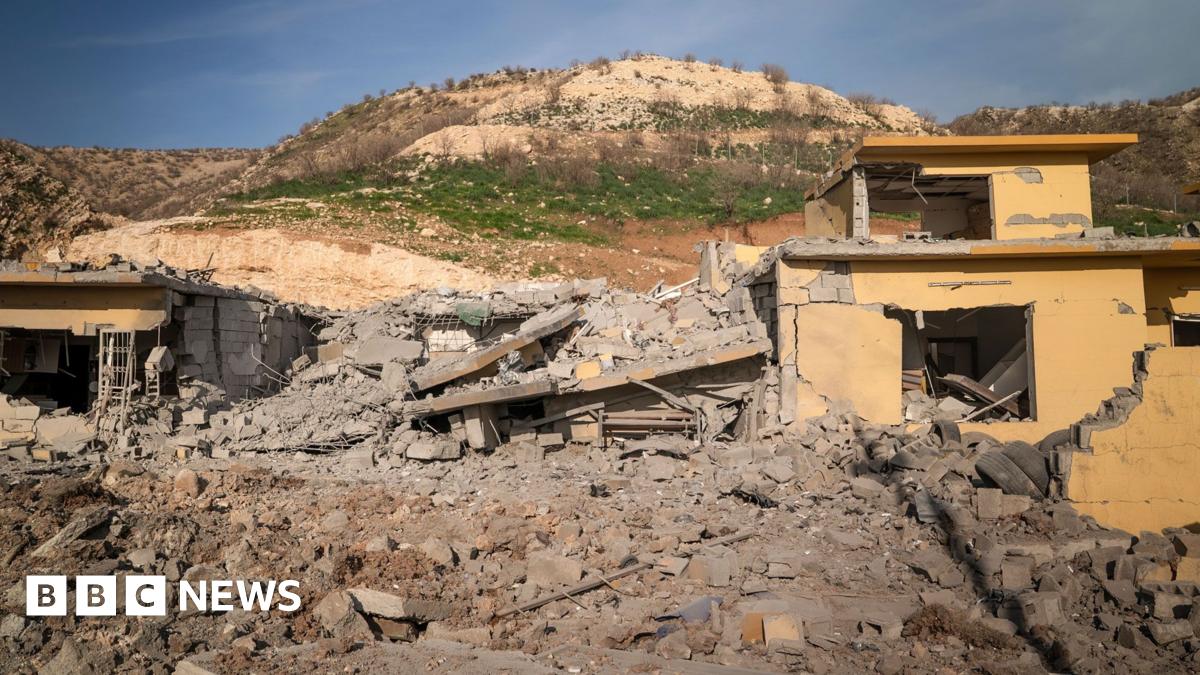
Gass said Iranian Kurdish opposition fighters were “relatively lightly armed” and “under normal circumstances you would not expect them to be able to stand up to the strength of the Iranian armed forces”.
“However, if they are supported by special forces from other countries who can call in air support – that could be a different matter,” the former diplomat added.
More than 30 million Kurds inhabit a mountainous region straddling the borders of Turkey, Iraq, Syria, Iran and Armenia. They make up the fourth-largest ethnic group in the Middle East, but they have never obtained a permanent nation state.
About 10% of Shia Muslim-majority Iran’s 91 million population are Kurds, who are mainly Sunni Muslims and live mostly in the country’s north-western regions.
Amnesty International has said that Iranian Kurds have “long suffered deep-rooted discrimination” and that “their social, political and cultural rights have been repressed, as have their economic aspirations”.