
A pariah state is one rejected by the international community for extreme and unacceptable behavior. Such states face isolation, moral condemnation, sanctions and sometimes military action. By violating international law, abusing human rights and provoking global outrage, they make their pariah status increasingly difficult to deny.
Evaluating this requires examining abuses, military aggression, humanitarian violations, sanctions, and judgments by bodies like the United Nations and the International Court of Justice. By these standards, Israel’s recent record warrants serious scrutiny.
Israel has long been accused of violating humanitarian law and defying numerous United Nations resolutions. Its occupation of the West Bank has entrenched a system of dispossession and daily violence, as Palestinians are killed, arrested and displaced while Israeli settlers, protected by the Israel Defense Forces and supported by the United States, expand into Palestinian land. Settlement growth is official state policy, championed by leaders such as Benjamin Netanyahu, Prime Minister; Bezalel Smotrich, Finance Minister; and Itamar Ben-Gvir, Minister of National Security, whose government empowers extremist settlers, escalates violence and undermines any viable path to Palestinian autonomy.
About 3.3 million Palestinians live in the West Bank, while settlers have increased from 400,000 in 2005 to over 700,000 today, intensifying land encroachment under military occupation. Last month, Israel expanded annexation efforts and and put limits on the Palestinian Authority, further strengthening Israeli control.
Since 2007, the blockade of the Gaza Strip has deepened Israel’s international isolation. By controlling Gaza’s land, air and sea access, Israel has crippled its economy and infrastructure. Despite a so-called ceasefire, there have been restrictions on humanitarian aid, with only 260 of the 600 daily needed trucks entering Gaza. Israel now controls 53% of Gaza, likely for future settlement and economic interests involving the United States, while hundreds of Palestinians have been killed since the “ceasefire.”
After Hamas’ Oct. 7, 2023 attack, Israel’s assault on Gaza drew global condemnation, with over 73,000 Palestinians killed and nearly 185,000 wounded. The Lancet, a respected medical journal, estimates deaths may approach 200,000, leading many to question claims of proportional self-defense.
International backlash has intensified, with the United Nations General Assembly condemning Israel’s campaign and aid blockade, and groups like Amnesty International, Human Rights Watch, Oxfam and Save the Children alleging serious legal violations. Israeli organizations such as B’Tselem and Physicians for Human Rights-Israel have gone further, accusing the government of genocide.
 Even Israel’s closest allies are losing patience. Twenty-eight Western-aligned nations that initially backed Israel after Oct. 7 now demand an end to its offensive and condemn its aid restrictions, warning that Israel is manufacturing famine conditions. This shift marks a significant erosion of Israel’s diplomatic support.
And now the Israeli and United States attacks on Iran, launched amid diplomatic negotiations and without authorization from the Security Council, violate the fundamental prohibition on the use of force, sovereign equality, territorial integrity and the duty to peacefully settle disputes under Article 2 of the U.N. Charter. Ben Saul, U.N. Special Rapporteur, recently said that the strikes “…threaten the human right to life.”
Israel faces unprecedented legal scrutiny. The International Criminal Court has issued warrants for Benjamin Netanyahu, and Yoav Gallant, former minister of Defense, while the International Court of Justice is examining possible genocide in the Gaza Strip. No other U.S.-backed state has faced such severe action.
Israel’s diplomatic isolation is growing, with few allies across the Middle East, North Africa and much of the global south. Cultural and academic boycotts are expanding, and countries such as Spain, Italy, Canada, Germany and the Netherlands have imposed arms embargoes or trade restrictions, signs of a state moving toward pariah status.
The Boycott, Divestment, and Sanctions movement, modeled on campaigns against apartheid in South Africa, is growing, as more scholars and institutions label Israel’s system as apartheid, signaling a major shift in global perception and pariah status.
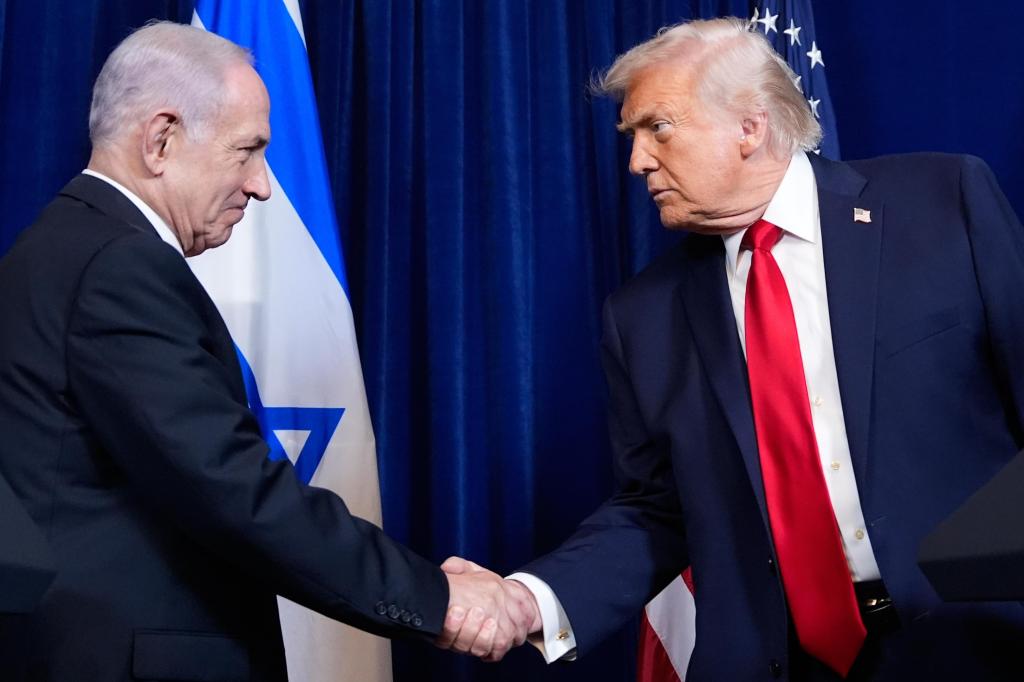
Despite mounting evidence and outrage, Israel still benefits from U.S. protection, with Donald Trump among Benjamin Netanyahu’s few firm allies. However, divisions are emerging within the United States, including among some conservatives.
Former Israeli ambassador Michael Oren warns, “We’re not a pariah state yet, but we could be.” Yet for many observers, given Israel’s accelerating defiance of international norms and the world’s growing willingness to say so, the threshold may already have been crossed.
Ken Barnes of Miami is a retired physician, social justice activist and a member of Jewish Voice for Peace.