
Nine days before his death, Ian Huntley’s skull was crushed in a prison attackEllie Fry Deputy Features Editor, James Holt Senior Live and Breaking News Reporter, Frances Kindon and Ellie Fry
15:53, 08 Mar 2026
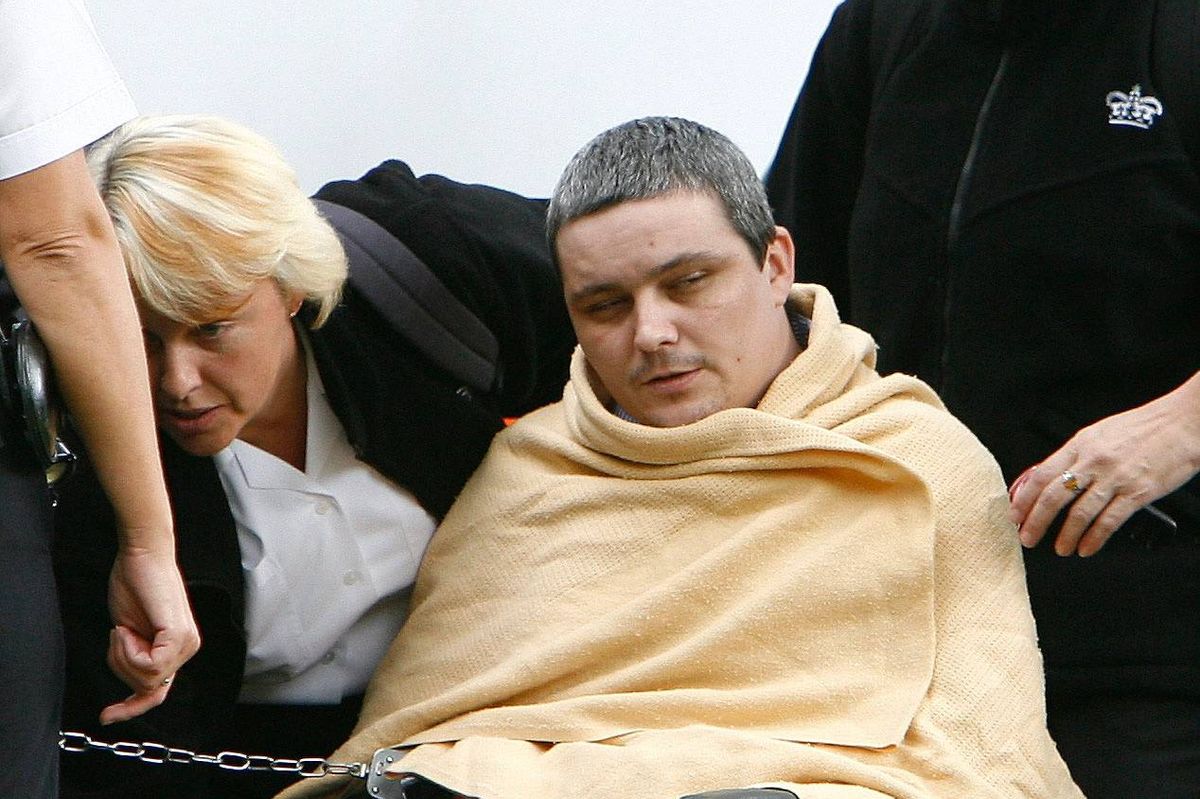
Soham Killer Ian Huntley has died after a brutal prison attack last week(Image: Andy Stenning/Daily Mirror)
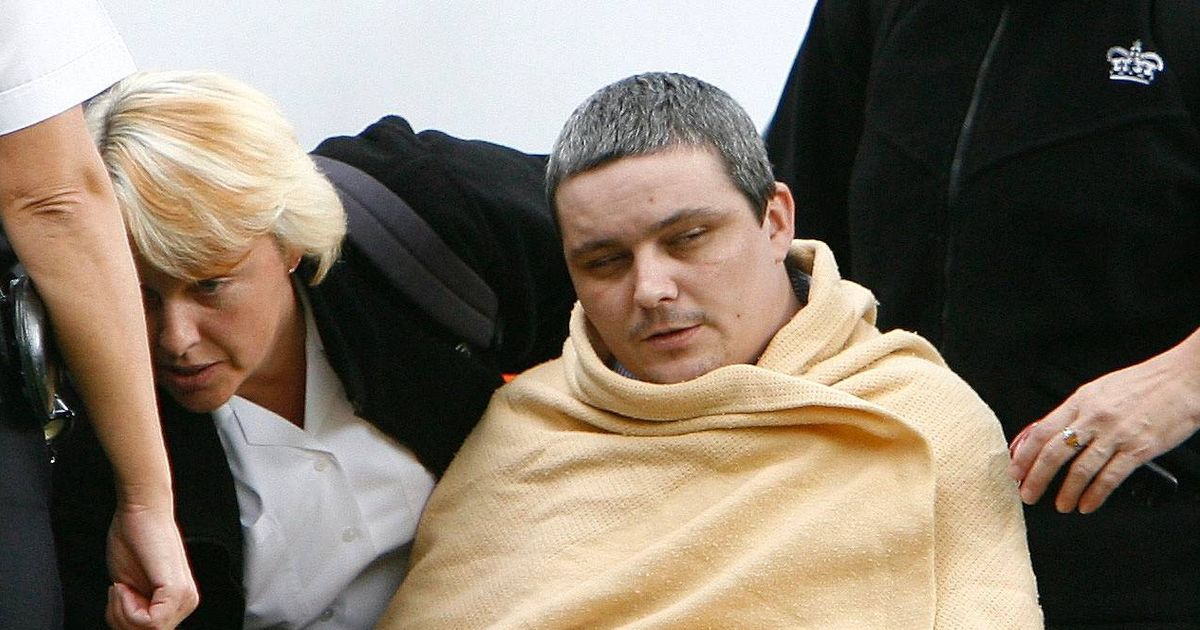
Surrounded by two armed officers and bleeping machines, Ian Huntley was severely brain damaged when he drew his last breaths. Nine days before his death, Huntley’s skull was crushed with a metal pole in a vicious prison attack, allegedly at the hands of a rapist triple killer.
Prison officers assumed he was dead when they found him lying in a pool of his own blood at HMP Frankland. His wounds included brain injuries, skull fractures and a broken jaw. He was placed in a medically induced coma in hospital and put on constant watch.
It’s said that Huntley, who notoriously murdered two young girls in the quiet town of Soham, was blinded and left in a vegetative state after the assault. A decision was then made to cut off his life support machine on Friday night (March 6) after a consultation with his mother, Lynda Richards, and he died the following day, the Mirror reported.
Get MEN Premium now for just £1 HERE – or get involved in our WhatsApp group by clicking HERE. And don’t miss out on our brilliant selection of newsletters HERE.
Anthony Russell, the inmate suspected to have delivered the brutal beating, reportedly shouted ‘I’ve done it!’ to other inmates as he was taken away in cuffs.
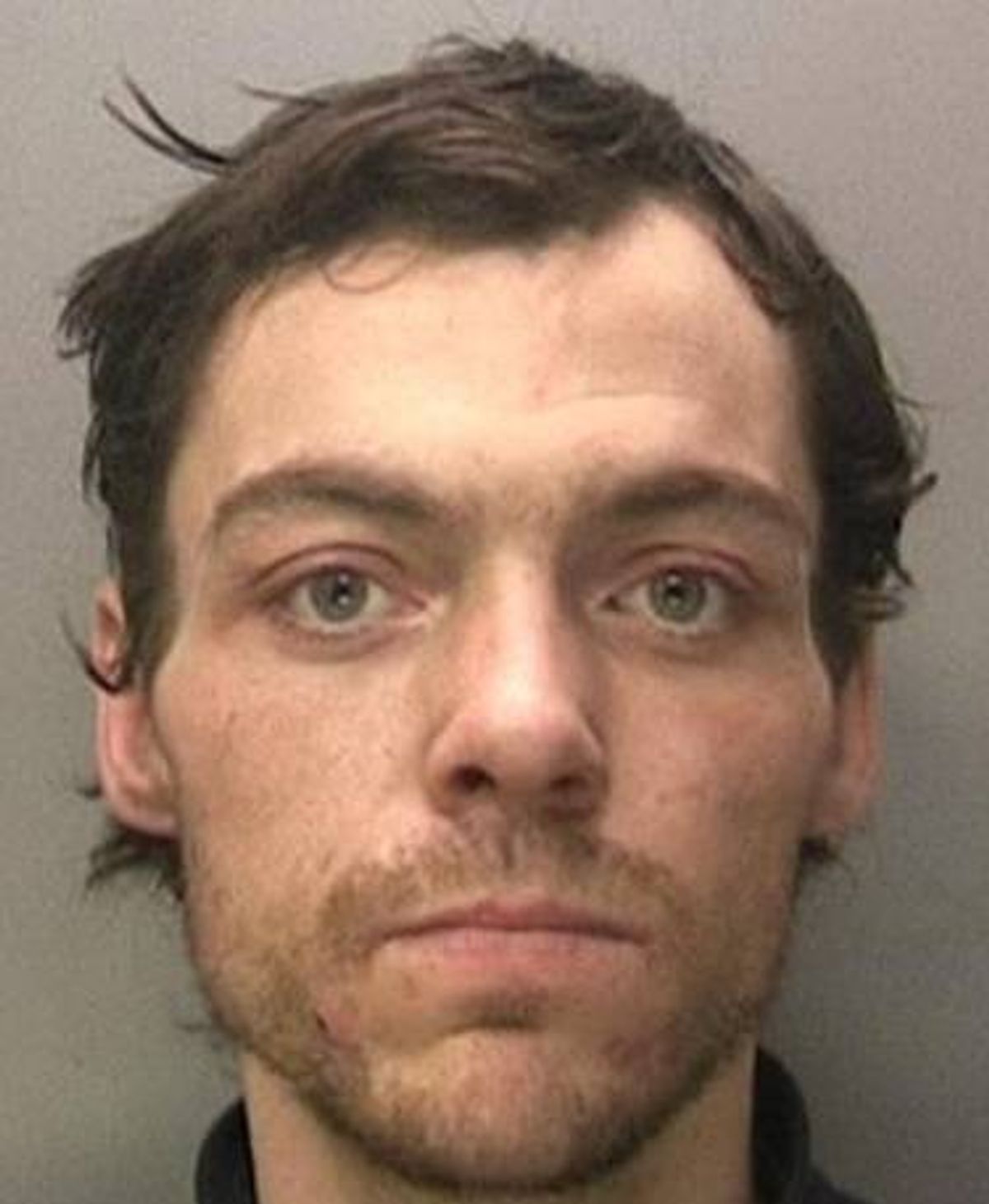
Triple killer Anthony Russell (Image: BPM Media)
And the killer’s daughter, Samantha Bryan, has expressed a profound sense of relief and said: “We should flush his ashes down the toilet.” The beautician believes her father does not deserve a funeral or a grave as he is going to “burn in hell”.
Family row over Ian Huntley next of kin
Now, prison sources have reportedly the Daily Mail that the issue of Huntley’s next of kin sparked a family ‘disagreement’. As former Met superintendent Nusrit Mehab explained, the formal proceedings after a prisoner’s demise can be somewhat complicated – depending on what their wishes were – if any – before their death.
The ex-police officer, who is also a senior lecturer in criminology and criminal justice, said of Huntley: “His body will be released to the next of kin or an appointed representative. I don’t know what his situation was – he’s been in prison for a long time and doesn’t have a lot to do with his family.
“But if they are the next of kin, they still have a right to claim the body. Unless he’s put a will in, or asked somebody else. If he has assigned somebody else as a representative, then they become the legal claimant.
“If his family are the legal guardians, they can claim it. If he’s put somebody else in as a representative, or made a will, then they become the legal claimants, and if nobody comes forward, then it falls on the public health authority to do it.”
The latter option seems to be true for the double child killer, as no-one wants to claim him. The 52-year-old is now expected to be cremated at a secret location in a £3,000 service funded by the state.
Mehab explains: “If nobody claims the body, then the prison service [and] local authority will arrange it, depending on where he’s from. So that will be a low cost funeral or cremation – on the taxpayer. There’d be no public ceremony and it will likely be a quiet cremation rather than a funeral, in my experience.
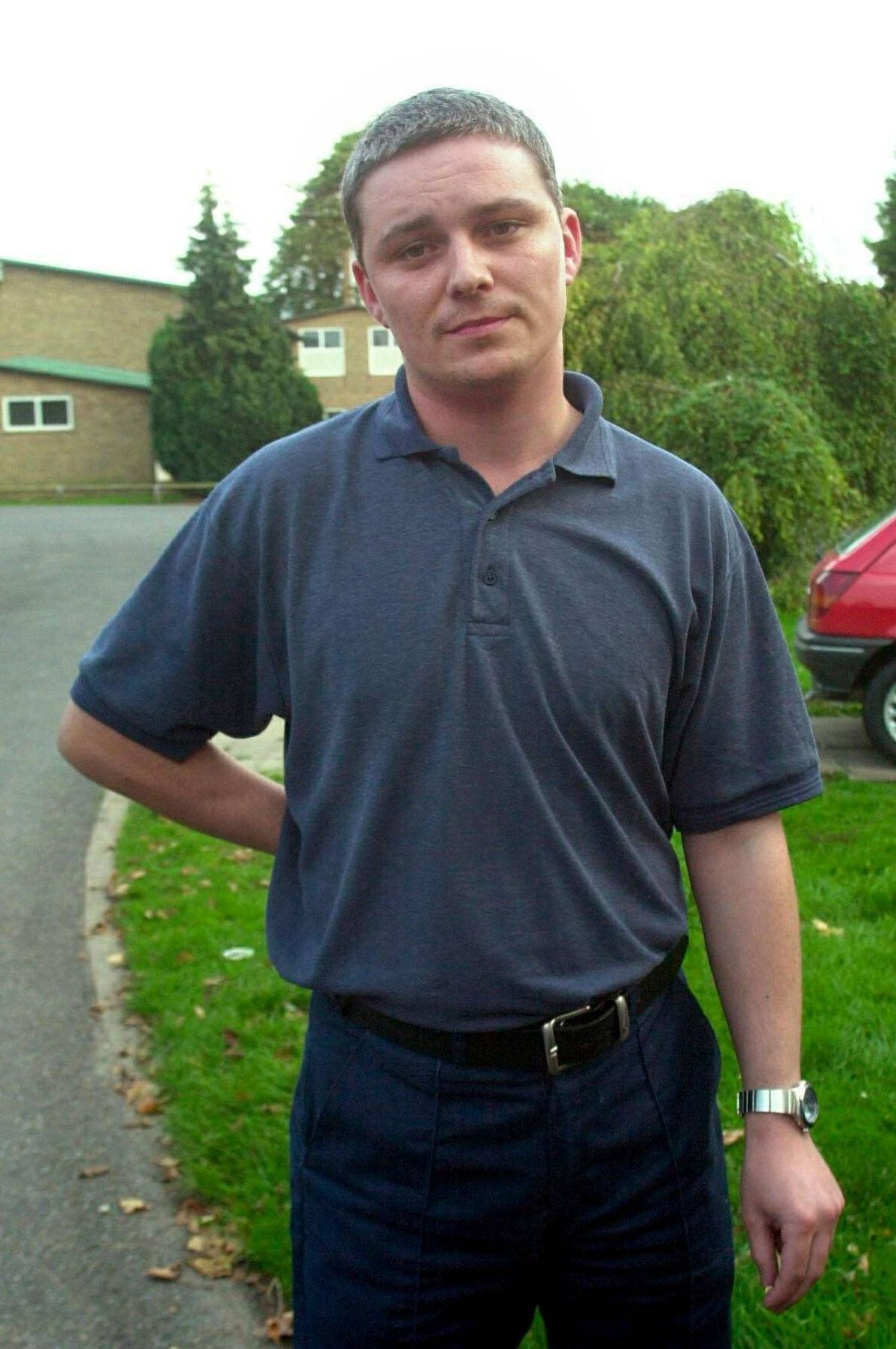
Ian Huntley was visited by his mum in hospital(Image: PA Archive/PA Images)
“They do a cremation because they don’t want to give him a grave. His ashes would go to the family if they are next of kin. If not, they could be scattered by the local authority. Or – and this has happened before to my knowledge – they just get stored and put down as unclaimed. With high risk criminals, they receive anonymous, unpublicised disposals, that’s the term, to avoid public attention. So it will be done very quietly if they do dispose of them.”
On funding cremations, the latest Ministry of Justice guidelines for prisons stipulate: “Prisons must offer to pay a contribution towards reasonable funeral expenses of up to £3,000. The only exceptions to this are where the family has a pre-paid funeral plan or is entitled to claim a grant from other government departments e.g., Department of Work and Pensions.”
Reasonable fees would include undertaker charges, coffin expenses, hearse hire, cremation or burial costs and religious or belief leader payments. The contribution cannot cover headstones, floral tributes, obituary advertisements or wake expenses.
Daughter says funeral is ‘disgusting’
For Huntley’s daughter Samantha, the idea of having a funeral is ‘disgusting’. She told the Sun on Sunday: “He shouldn’t have the dignity of a funeral and grave. I will not be going. A funeral is pointless for a man like him.”
She added: “I don’t want there to ever be any possibility of freaks or weirdos going to a resting place or memorial, to show him some kind of twisted respect.”
The 27-year-old only learned she was Huntley’s daughter when she was taking part in a school crime project when she was just 14. She then came across a pixilated photo of her and her mum Katie in connection with Huntley. Katie, 45, fled Huntley’s brutality after becoming pregnant at 16.
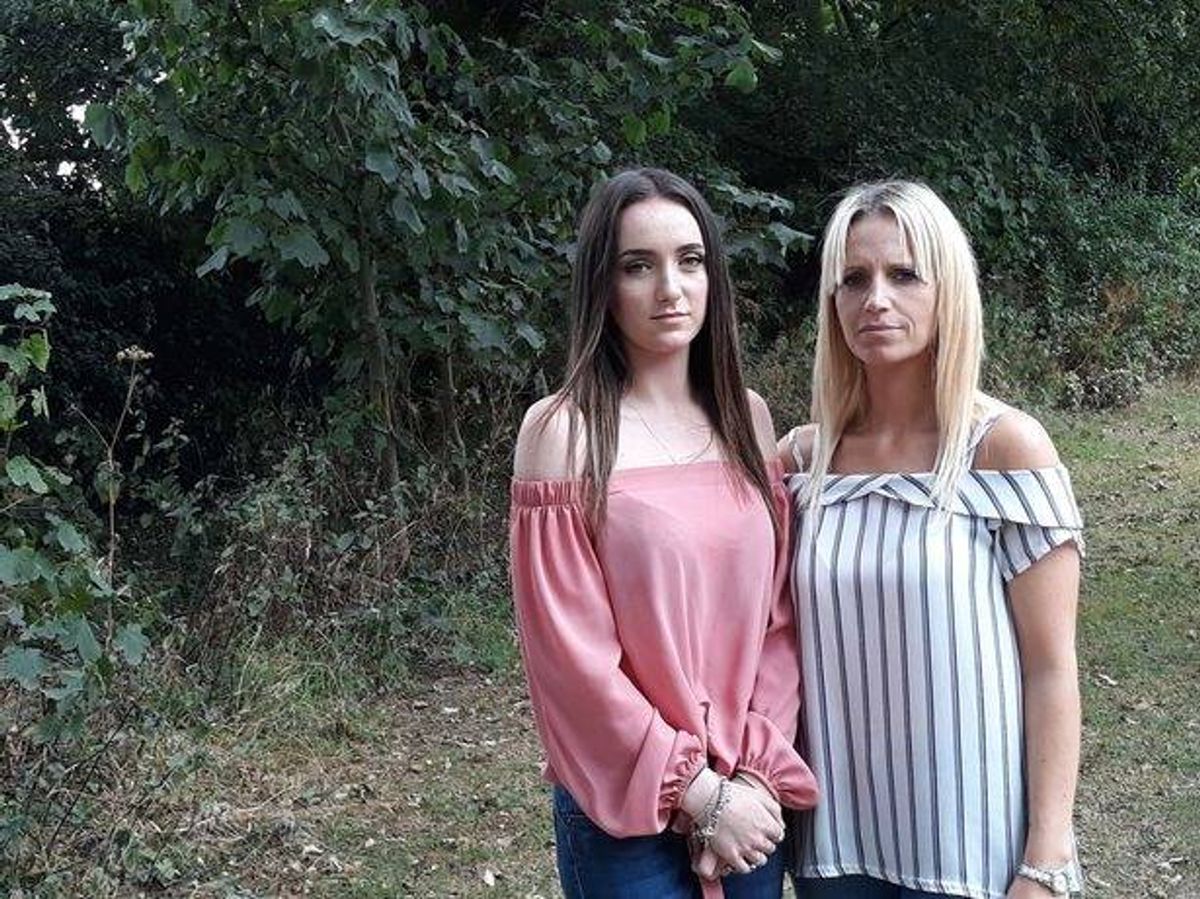
Ian Huntley’s daughter Sammie Bryan and her mum Katie
(Image: Really Channel / TCB Media Rights)
Katie also wants no resting place for her murderous ex-partner. “I just cannot get out of my head what he did to Holly and Jessica and how he left them in a ditch,” she told the newspaper. “For that reason why should he be given the dignity of a grave?”
Former superintendent Mehab said that if his family do decide to hold a funeral, there would likely be serious security concerns given the high profile of Huntley’s vile crimes.
She said: “It will be a very high profile death, so there will still likely be security concerns. So they might want a private burial in an undisclosed location, which usually happens, with minimal attendance. It will be very low key, from what I can tell.”