
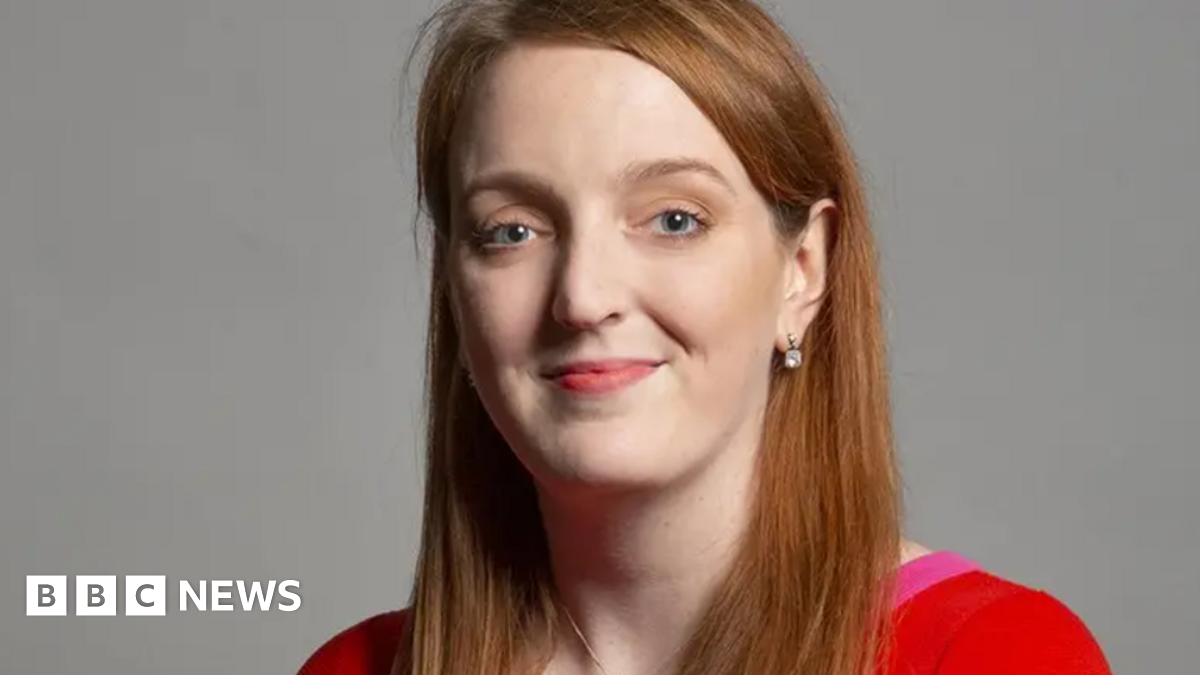
Nichols said her public profile meant the “mental health consequences of my trauma were played out in public”.
She said this led to her eventually being sectioned for her own safety, and noted that this was something she still “received regular social media abuse from strangers about to this day”.
Nichols added: “But here’s the kicker: in this debate, experiences like mine feel like they’ve been weaponised and are being used for rhetorical misdirection, for what this Bill actually is.”
She continued: “We have been told that if we have concerns about this Bill, it is because we have not been raped or because we don’t care enough for rape victims.
“The opposite is true in my case, it is because I have been raped that I am as passionate as I am about what it means for a justice system to be truly victim-focused.
“It is because I have endured every indignity that our broken criminal justice system could mete out that I care what kind of reform will actually deliver justice for survivors and victims of crime more widely.”
“There is so much that we can be doing for rape victims that isn’t the Lord Chancellor (and Deputy Prime Minister and Justice Secretary David Lammy) using them as a cudgel to drive through reforms that aren’t directly relevant to them.
“As a starting point, Rape Crisis England and Wales have called for five key demands in their Living in Limbo report. Don’t say that this Bill helps deliver justice for rape victims, until it actually, materially does.”
Nichols said “the government’s framing and narrative has been to pit survivors and defendants against each other in a way I think is deeply damaging”.