
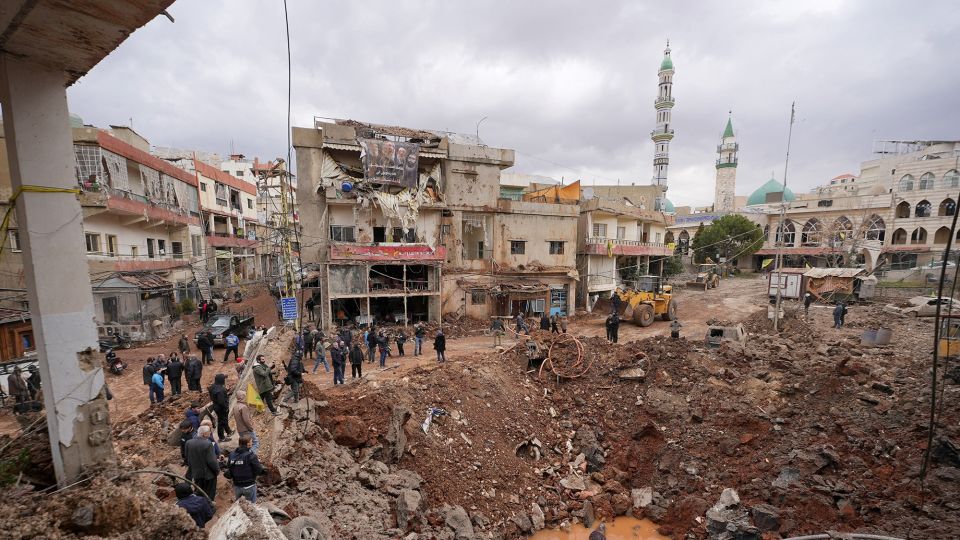
A wave of strikes on Iran hit the capital and northern areas overnight into Wednesday, while Tehran launched what it called its “most intense” operation of the war, targeting Israel, Persian Gulf nations and ships passing through the Strait of Hormuz.
Throughout the region, a humanitarian crisis is mounting. The United Nations is warning of toxic black rain, mass displacement and disrupted supply chains for life-saving goods. And the death toll continues to rise.
Here’s what you need to know on day 12.
What are the main headlines?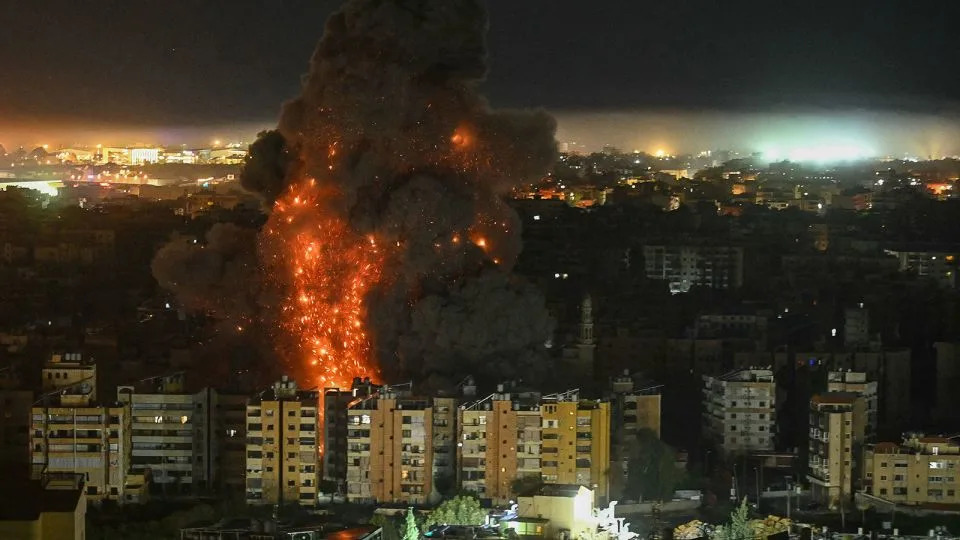
A fireball rises from the site of an Israeli airstrike that targeted an area in Beirut’s southern suburbs overnight. – Fadel Itani/AFP/Getty Images
New supreme leader’s condition: Mojtaba Khamenei suffered a fractured foot and other minor injuries in the first wave of US-Israeli strikes, a source familiar with the situation told CNN, amid rumors about his condition. Khamenei has not been seen in public nor issued a written statement since being chosen as Iran’s new supreme leader.
Attacks in Strait of Hormuz: Iran attacked two vessels in the Strait of Hormuz today, the country’s Islamic Revolutionary Guard Corps (IRGC) said. One of them, the Thai-flagged bulk carrier “Mayuree Naree,” was fired on after “disregarding warnings and insistently attempting to illegally pass through,” the IRGC said. Three crew members remain unaccounted for. The strait, which Iran has effectively shut, is a crucial artery for the global economy since about one-fifth of the world’s oil supply passes through it. Oil prices rose again after the attacks.
Russia-Iran ties: Russia is giving Iran specific advice on drone tactics, helping Tehran to hit US and gulf nation targets in the Middle East, a Western intelligence official told CNN. Russian intelligence sharing with Iran had previously been reported as general assistance with targeting; specific tactical advice represents a new level of support.
Israeli strikes: Israel launched a wave of strikes in the Iranian capital overnight into Wednesday, and the Iranian Red Crescent said a residential area in Tehran was targeted. Beyond the capital, CNN staff in northern Iran reported major nighttime air raids. Israel also said it struck targets in Beirut and issued another sweeping evacuation order for residents in the south of the Lebanese capital. Videos showed parts of a high-rise building engulfed in flames. Farther south in Lebanon, a paramedic was killed when an Israeli strike hit a Red Cross ambulance.
Iran ramps up: Iran’s military said it launched its “most intense and heaviest operation” since the start of the war overnight into Wednesday, according to state media. The attack targeted locations in Israel and US assets in the region, state media reported.
Growing death toll: Iran has accused the US and Israel of deliberately targeting civilians, with strikes killing more than 1,300 since the conflict started, according to Iran’s UN ambassador. In Lebanon, Israel’s strikes have killed more than 10 children every day so far, according to the UN children’s agency. Dozens more have been killed elsewhere around the region, including by Iranian strikes. Seven US service members have been killed and 140 others wounded, the Pentagon said Tuesday.
What else is happening in the region?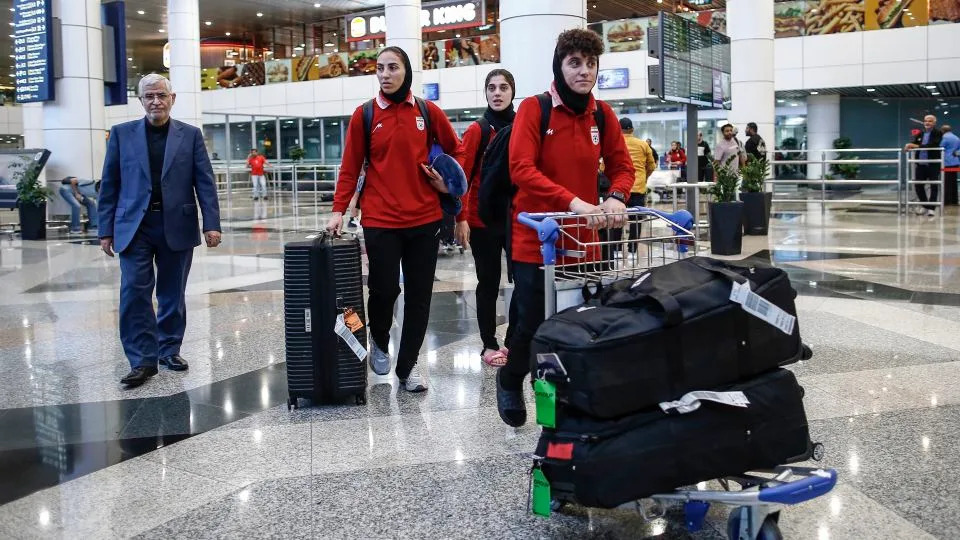
Members of Iran’s women’s soccer team arrive at the Kuala Lumpur International Airport – Arif Kartono/AFP/Getty Images
Mines in the strait: The US military said it destroyed Iranian navy ships — including 16 minelayers — near the Strait of Hormuz. Sources earlier told CNN that Tehran has begun laying mines in the waterway, the world’s most important energy chokepoint, through which about one-fifth of the world’s crude oil travels.
Regional attacks: Arab states in the Persian Gulf have been intercepting new waves of Iranian drones and missiles early Wednesday local time. A suspected Iranian drone also hit a US diplomatic facility in Iraq on Tuesday near the Baghdad airport, two sources told CNN.
Toxic black rain: The World Health Organization is warning that black rain — contaminated rainfall — resulting from pollution could pose health risks after strikes in Iran. After fuel depots were hit last week, including in Tehran, thick plumes of black smoke billowed into the air, mixing with precipitation in the air to create toxic rain.
Iranian women’s soccer team: Seven members of the Iranian soccer team were granted humanitarian visas in Australia after seeking asylum, though one member changed her mind afterward and said she wanted to return home. The rest of the team left Sydney late Tuesday.
What’s happening in the US?
US terms: The White House laid out demands for what an “unconditional surrender” by Iran could look like, saying it will be personally determined by President Donald Trump. This includes dismantling Iran’s ballistic missile arsenal that “protects” its nuclear ambitions, the White House said. It added that Trump does “not rule options out” in the war, including deploying US ground troops.
School strike: The Pentagon will release its report on a strike on an Iranian girls’ school that killed at least 168 children, the White House said Tuesday. The US military was likely responsible, according to CNN and expert analysis of evidence. And footage has emerged that appears to show a US missile targeting the Islamic Revolutionary Guard Corps naval base adjacent to the school.
For more CNN news and newsletters create an account at CNN.com