

Listen to this article
Estimated 4 minutes
The audio version of this article is generated by AI-based technology. Mispronunciations can occur. We are working with our partners to continually review and improve the results.
With another opposition MP crossing the floor to join the Liberals, Prime Minister Mark Carney could have a slim majority following a few upcoming byelections — but the Liberal agenda could still face some hurdles in the House of Commons.
Nunavut MP Lori Idlout defected from the NDP late Tuesday, bringing the Liberal seat count to 170 — just two shy of a majority.
And there are three byelections scheduled for next month.
Two of those are all but guaranteed to be Liberal wins. They’re filling vacancies in Toronto left by former cabinet ministers Bill Blair and Chrystia Freeland — ridings considered to be party strongholds.
While 172 seats is enough to give the Liberals a majority, the party would technically be in a tie with the remaining opposition parties. That means they would still likely need support of at least one opposition MP to vote with them, or abstain, to win a vote, or else rely on the Speaker to break a tie.
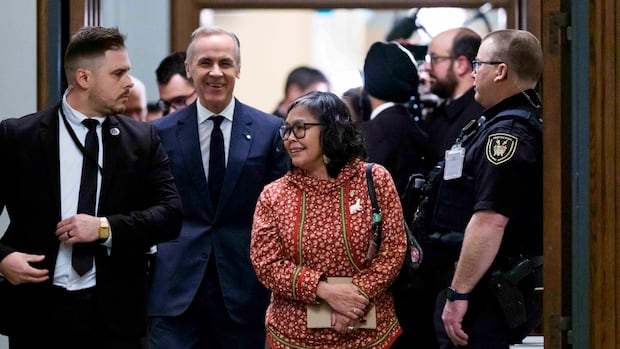
WATCH | Idlout walks with PM to Liberal caucus: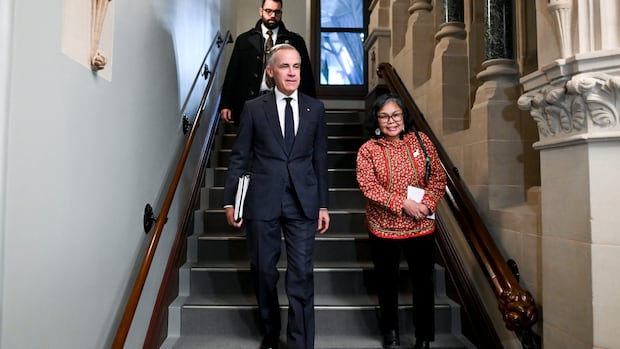
Nunavut MP Lori Idlout walks with Carney to Liberal caucus after crossing the floor from NDP
After crossing the floor to the government from the NDP, Nunavut MP Lori Idlout walked into Liberal caucus alongside Prime Minister Mark Carney on Wednesday. When asked what prompted her move, Idlout said there were a ‘variety’ of things that informed the decision.
Although Speaker Francis Scarpaleggia was elected a Liberal, that doesn’t mean he would automatically vote with the government.
The Speaker is an impartial role by convention and doesn’t sit with a party caucus once chosen by their peers.
WATCH | House speaker votes to break tie: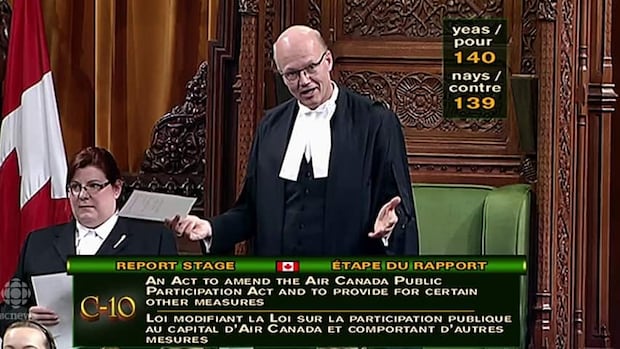
HoC Speaker votes to break tie
Speaker Geoff Regan was forced into voting when a rare tie occurred in the House of Commons today.
According to the House’s official guide to practice and procedure, the Speaker “normally votes to maintain the status quo,” including “preserving the possibility that the matter might somehow be brought back in the future and be decided by a majority of the House.”
In confidence votes, when the government would fall if it loses, Scarpaleggia would likely vote with the Liberals to maintain the status quo and allow debate to continue.
A Speaker has had to vote on a matter of confidence at least once before. In 2005, Speaker Peter Milliken voted to break a tie on an amendment to the Liberal government’s budget, allowing the legislation to pass at second reading.
But it is less clear how the Speaker would vote in a case of a tie on the third reading of new legislation. There have been 12 instances of a Speaker casting a tie-breaking vote, but it has never been on the final vote that would determine the fate of a bill.
Former Speaker Geoff Regan was once forced to vote on a bill after it had been returned to the House from committee. In that instance Regan voted to allow the bill to go through and for “debate to continue” into a third reading.
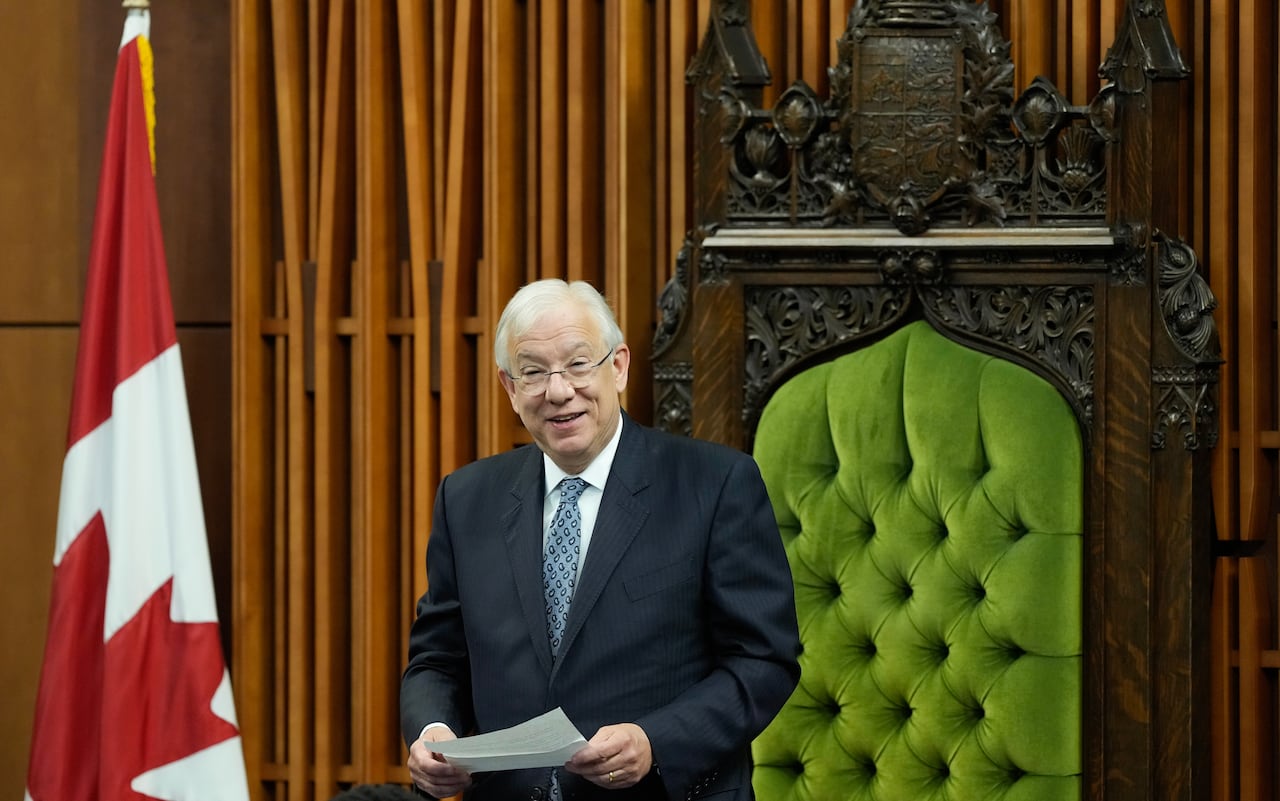 Speaker of the House of Commons Francis Scarpaleggia, seen here in May 2025, was elected as a Liberal, but that doesn’t mean he would automatically break a tie in the government’s favour. (Adrian Wyld/The Canadian Press)
“On another occasion it might mean I vote no,” Regan said after casting the deciding vote.
The Liberals would also still rely on an opposition party to push legislation through committees where party standings have been set based on the House’s composition at the beginning of the session.
As it stands, House committees have a roughly even split of Liberals and Conservatives. Each committee has one Bloc Québécois member who holds some sway over votes.
It’s possible to reset committee standings by passing a motion in the House — but the Speaker would likely vote against such a motion as it would go against the status quo.
Carney could also prorogue, which would start a new parliamentary session and a reset of committees, but that would also mean killing any current legislation that hasn’t received royal assent.
If the Liberals win all three byelections next month, that would give the party one more vote in the hopper and mean it’s less likely the Speaker would be forced to break ties — though the government would need to ensure all MPs are available to vote.
WATCH | Montreal-area byelection could bring majority:
The Terrebonne riding rematch is on in byelection that could help Liberals win a majority
The Bloc Québécois successfully contested a one-vote Liberal win in the Montreal-area riding in 2025. After a voter spoke out about her mail-in vote being sent back, the case went all the way to the Supreme Court. People are heading back to the polls on April 13, and it will be a rematch between Liberal Tatiana Auguste and the Bloc Québécois’s Nathalie Sinclair-Desgagné.
The byelection in the Montreal-area riding of Terrebonne is expected to be much tighter than the Toronto contests.
The Liberals won the riding in last year’s election by one vote over the Bloc Québécois — but last month, the Supreme Court tossed the initial result out and ordered a redo over a misprint on mail-in ballot envelopes.
The Liberals have been polling well nationally in recent weeks, but the riding has largely been held by the Bloc since the early ’90s. All three byelections are being held on April 13, with advance polls open April 3 to 6.