
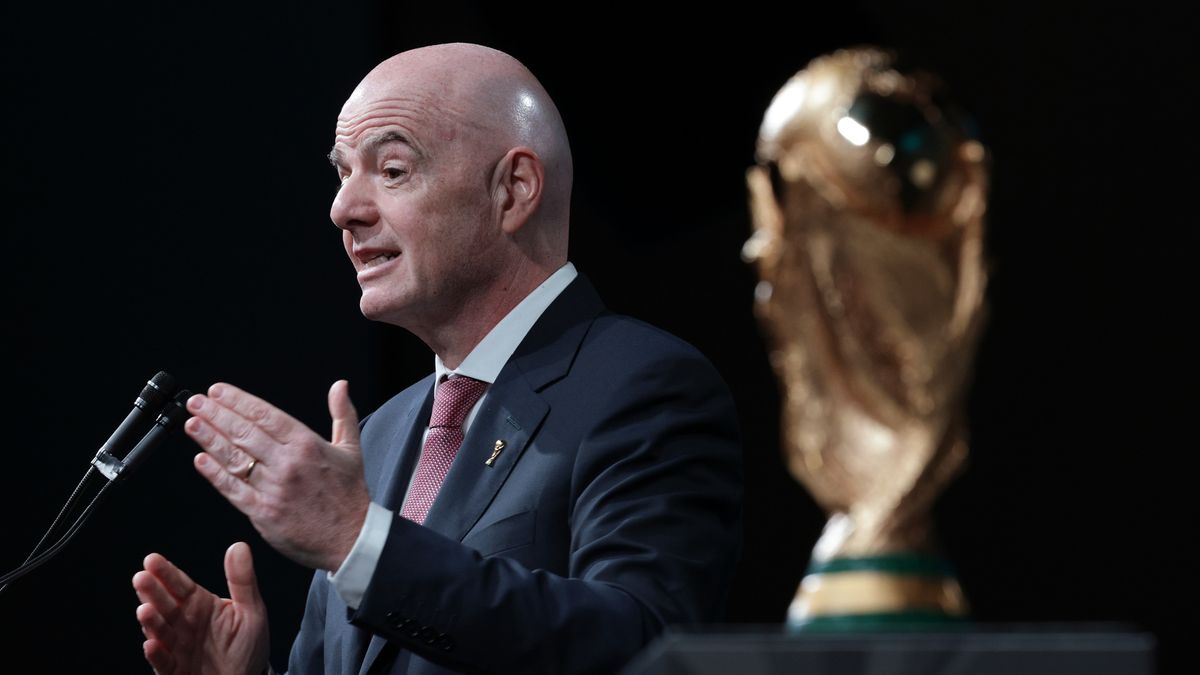
Iran’s sports minister has confirmed that the nation will boycott this summer’s 2026 World Cup in North America amid the escalating tensions in the Middle East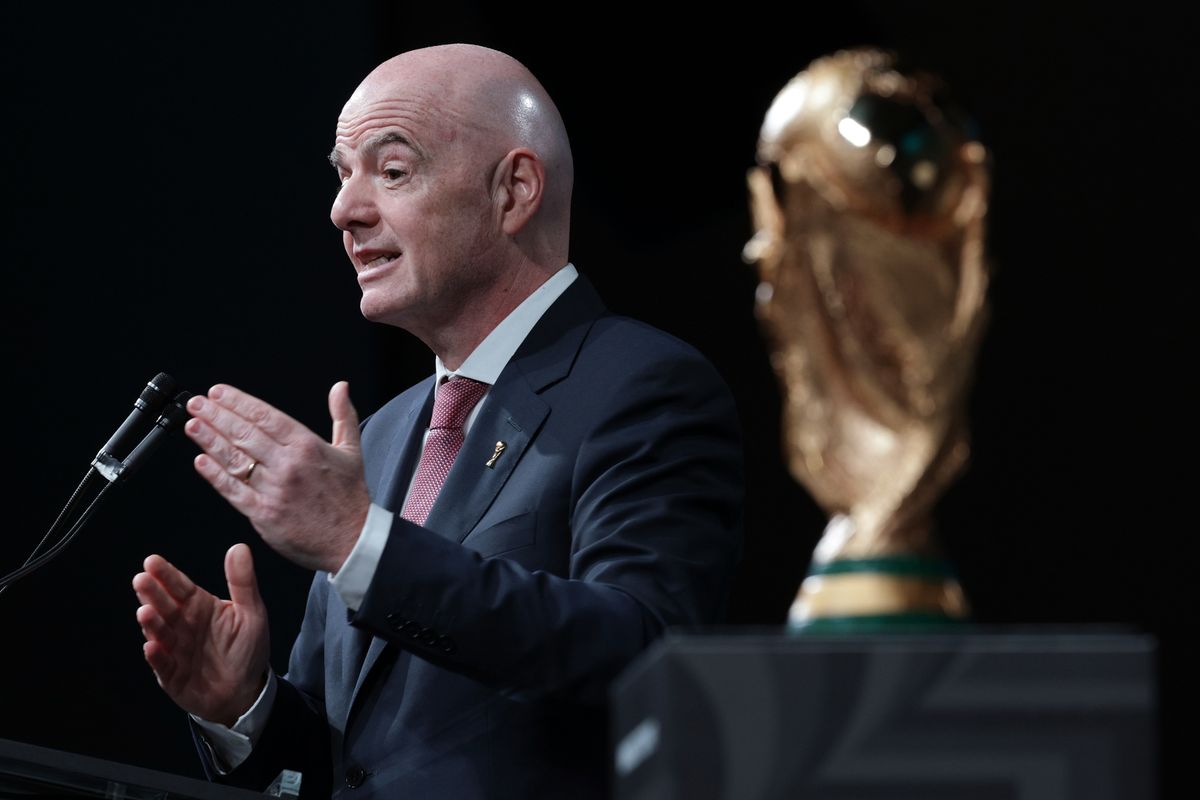
Iran had qualified for the World Cup this summer but are now set to boycott the tournament(Image: Getty Images)
Iran will not compete at this summer’s World Cup due to the ongoing war against Israel and the United States, the nation’s sports minister has said. There had been concerns that Iran would boycott the tournament due to the escalating tensions in the Middle East.
The tournament takes place in America, Canada and Mexico in the summer. Iran have been drawn in Group G with New Zealand, Belgium and Egypt, with the tournament due to kick off on June 11. However, the sports minister, Ahmad Donyamal, has revealed in a television interview that they plan to boycott.
“Since this corrupt government assassinated our leader, we have no conditions under which we can participate in the World Cup,” he said. “In view of the malicious measures taken against Iran, two wars were forced upon us within eight or nine months, and several thousand of our people were killed. Therefore, we definitely have no possibility of participating in this way.”
READ MORE: FIFA statement on cancelling World Cup as Iran withdraw and Donald Trump speaksREAD MORE: World Cup in crisis as nation officially confirms they will boycott tournament
Iran’s call to exit the tournament before a ball has been kicked will pose a significant problem for FIFA, as no qualified nation has ever boycotted the World Cup for political reasons.
Following confirmation of Iran’s decision, Mirror Football takes a look at the past instances of countries withdrawing from the World Cup due to political circumstances.
Uruguay – 1934
Reigning World Champions headed to the second edition of the tournament in 1934 following their success four years prior. However, they pulled out in protest at several European teams not travelling to South America for the 1930 World Cup in Uruguay.
The 1934 World Cup remains the only one where the defending champions didn’t participate.
Austria – 1938
One of the tournament favourites for the 1938 tournament, Austria, couldn’t participate due to the Nazi forces annexing the country at the time. Some Austrian stars joined the German squad, though star player Matthias Sindelar declined to represent the Nazi-led nation.
Content cannot be displayed without consentIndia – 1950
In the one time that India managed to qualify for the World Cup, they opted not to attend. In 1950, the Asian country advanced to the finals by default due to withdrawals from qualifiying.
Their absences was down to travel expenses, training time and team selection issues.
African teams – 1966
The 1966 tournament is fondly remembered in England, but one aspect that often goes unnoticed is the absence of African teams. The continent’s nations boycotted the qualifying rounds in protest against FIFA’s decision to allocate only one spot for the African, Asian and Oceania confederations.
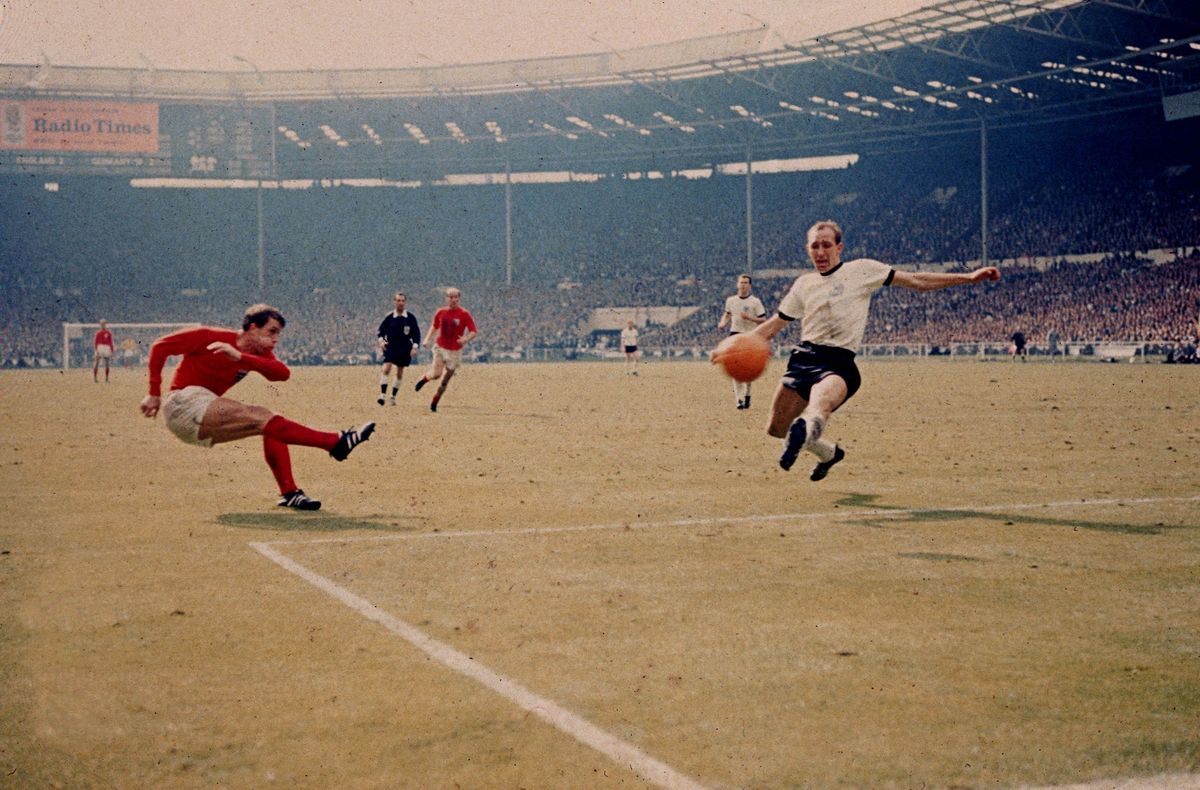
30th July 1966: Geoff Hurst scores England’s third goal against West Germany in the World Cup final at Wembley Stadium. The goal, awarded upon the judgement of the Russian linesman has remained one of the most controversial goals in the history of the competition. England became World champions with a 4-2 victory after extra time. (Photo by Hulton Archive/Getty Images)
Chile – 1974
In 1974, we witnessed a qualified nation nearly boycot the World Cup on political grounds. In the intercontinetial play-off between Chile and the Soviet Union, the latter declinded to take part in the fixture in protest of Augusto Pinochet’s dictatorship.
He had toppled the socialist government, transforming Chile from a former Soviet ally into an adversary. Consequently, the Chilean players entered the pitch alone, with captain Francisco Valdes netting into an empty goal before the match was called off.
2022 World Cup protests
In more recent years, there have been very few boycott threats, but tensions did emerge during the 2022 World Cup in Qatar. All 32 qualified teams participated in the tournament, but there were demonstrations from some players concerning alleged human rights violations and the nation’s controversial LGBT record.