
Is it burnout? Ambivalence? Exasperation?
Whatever the cause, funders and nonprofit leaders in Israel are describing a marked drop in engagement from their Diaspora counterparts during this round of fighting against Iran and its proxies, compared to similar conflicts over the past two-plus years.
Donations are still being made to Israeli causes — federations across North America have allocated millions to the Jewish Agency’s newly launched fund to support victims of Iranian missile strikes, for instance. But conversations with Israeli civil society figures nevertheless indicate a significant shift compared to what was seen last June during the war with Iran, in September 2024’s military operation against Hezbollah in Lebanon and — far more understandably — in the wake of the Oct. 7, 2023, Hamas terror attacks.
The shift comes even as the level of destruction and disruption in Israeli society and economy are largely on par with last summer.
It is seen most starkly in terms of public diplomacy and advocacy. Take, for instance, the public messaging from Jewish Federations of North America. Over the course of the 12-day war last summer, the organization posted seven times about the conflict on its website, expressing solidarity with Israel, denouncing Iran’s strike on a Beersheva hospital, rallying support for the Israeli military operation and updating followers on the group’s war-related allocations.
In the 13 days since Israel and the United States launched airstrikes against Iranian regime targets, JFNA has posted twice on the matter (along with sharing a statement from Israeli President Isaac Herzog ahead of Purim). JFNA also has not launched an emergency campaign in response to this round of fighting, unlike the dedicated fundraising efforts that it launched last June.
This is, of course, an imprecise metric, and it in no way suggests that JFNA, individual federations or Jewish foundations are less supportive of Israel today than they were this summer. “Since the moment the war broke out, Jewish Federations across North America have been doing what they always do — supporting our brother and sisters in Israel and maintaining security at home. Over 14,000 leaders have participated in regular briefings; core funding to the Jewish Agency and JDC has enabled them to assist the victims of the missile attacks and meet other immediate emergency needs; dozens of Federations have sent over $10 million in new, additional emergency funds; and we are constantly evaluating new needs arising from Iranian attacks on Israelis,” Eric Fingerhut, JFNA president and CEO, told eJewishPhilanthropy.
This Israel-based reporter can also testify that virtually every communication with American Jewish figures begins with them asking how he and his family are doing. (We’ve been better; but we’re doing better than most.)
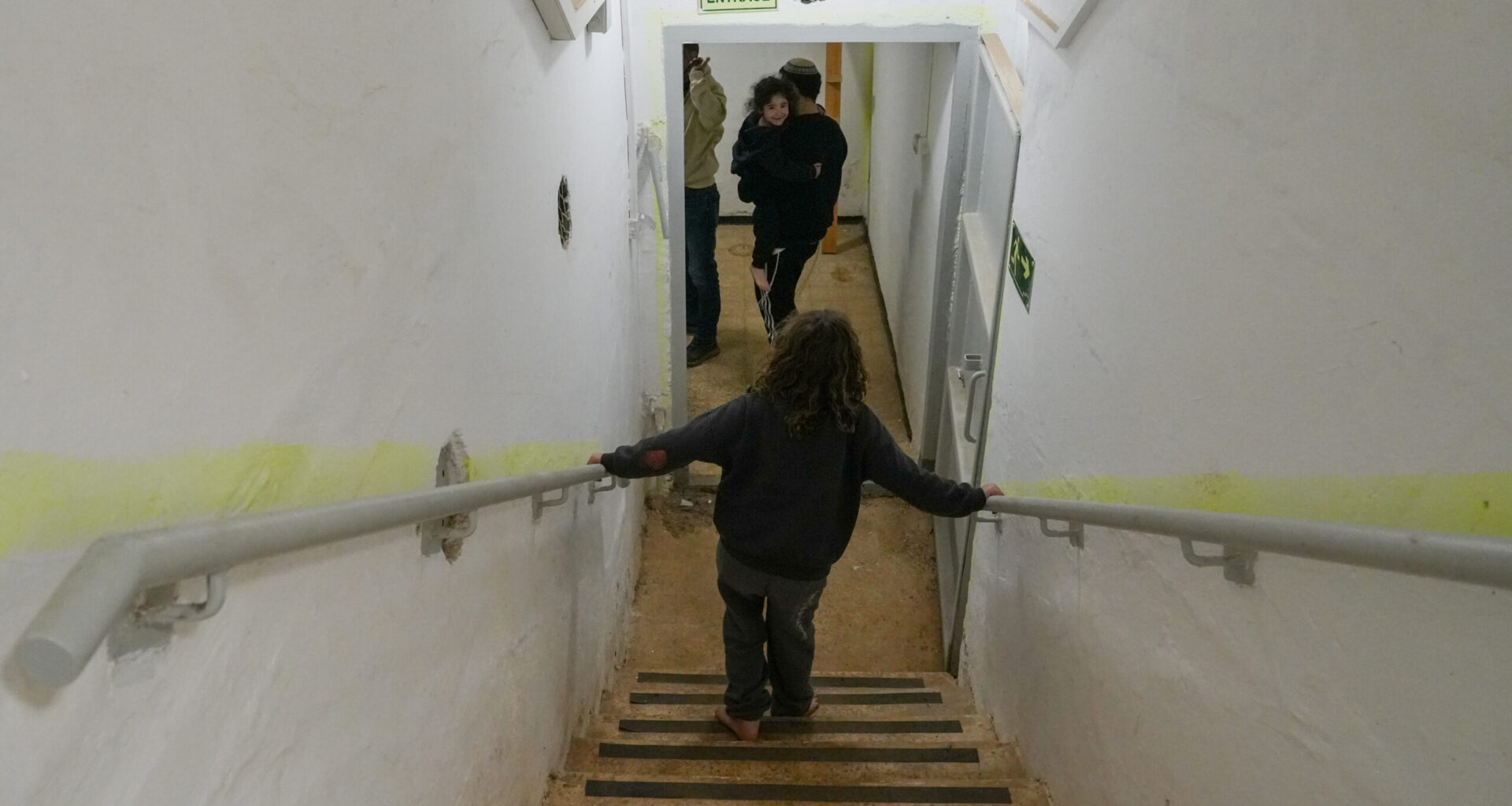
And yet there are clear indications of a shift within the Jewish community, with Israelis feeling that while they are regularly running for cover in bomb shelters, Jewish life abroad is continuing as normal.
This can also seen numerically in a recent poll by the Jerusalem-based Jewish People Policy Institute, which conducted surveys of so-called “connected” American Jews both in July 2025 and earlier this month. What is most striking in the data is not differences in levels of support for the war — there effectively are no differences; 69% backed the strikes in 2025, and 68% support them today — but the differences in the level of opposition to them. Last summer, 13% of “connected” American Jews opposed the decision to conduct strikes on Iran’s nuclear and ballistic missile facilities, while 18% said they were not sure. This time around, opposition has doubled, with 26% opposing the war and 7% unsure. No self-identified centrists said they opposed the military operations last June, while 9% said that they do today.
What accounts for the difference? Some of this may stem from the fact that the current conflict against Iran is a joint American-Israeli campaign — compared to this summer’s war, which was primarily an Israeli operation — adding an American domestic political dimension to the war.
Even among Israelis, who are generally more supportive of the war than their American counterparts, there is also a degree of frustration with the current conflict. At the end of the June war, Israeli Prime Minister Benjamin Netanyahu declared that Israel and the United States “achieved a historic victory, which will stand for generations” — an amount of time that typically refers to decades and centuries, not nine months.
After more than two years of extensive efforts by Diaspora philanthropy in Israel, a dip in support should come as no surprise, particularly when the current round of fighting was initiated by Israel — surely the government can therefore be expected to support its citizens.
Though less likely to fully account for the change, it is also significant that the war came days after Israel’s coalition voted in favor of a contentious bill that was singularly aimed at preventing non-Orthodox prayer at the Western Wall, including in the area that currently permits egalitarian services.
Far from shoring up support from Diaspora Jewry in the period leading up to a major conflict, the Israeli government instead actively and publicly (and likely pointlessly, as the bill is not expected to be passed into law) antagonized the overwhelming majority of American Jews — just before those same Jews would be called upon for political and financial support.