
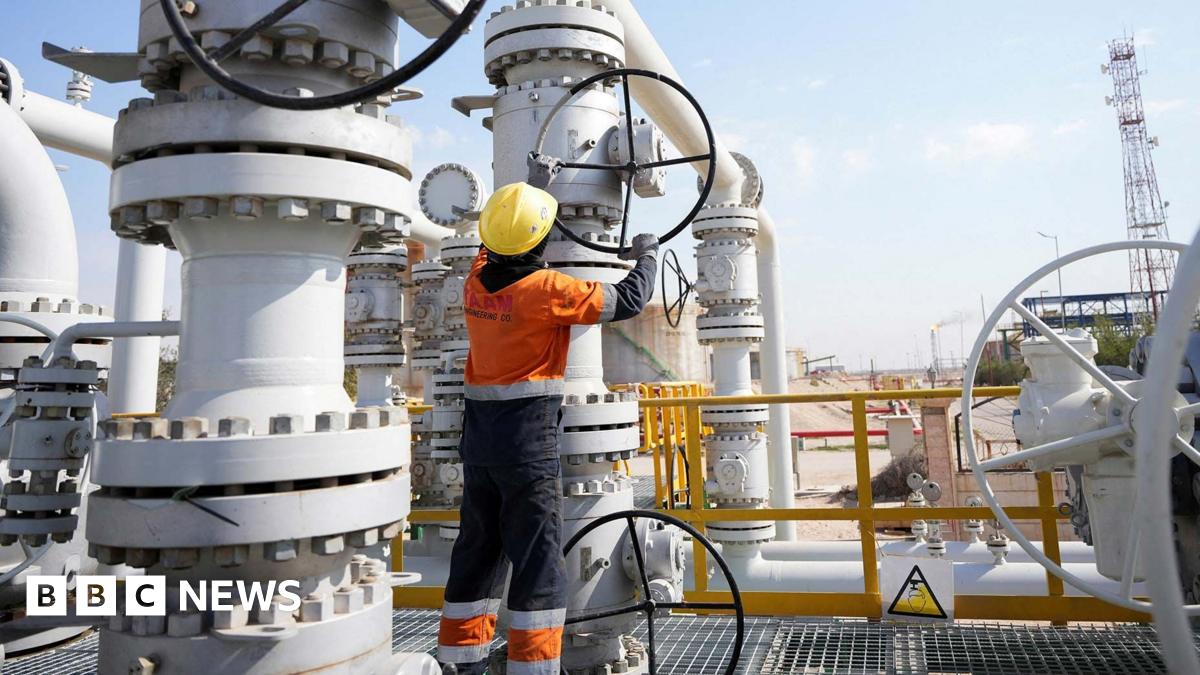
On Wednesday, the IEA announced dozens of countries had agreed to release a record amount of oil from their emergency reserves.
Prices fell after the announcement, but they’ve since risen back above $100 a barrel.
Bill Farren-Price, senior research fellow at the Oxford Institute for Energy Studies, said the release is a “sticking plaster on a much bigger problem”.
He said the market had already priced the move in, and then further ship attacks sent the price up again.
“Inevitably the price reaction is going to continue until we see some sort of off-ramp for this conflict and that could be very, very complicated and drawn out,” he adds.
There is also a shortage of refining capacity meaning the release is not a magic switch to increase the flow of refined products like petrol and jet fuel.
The releasing of the reserves is more of an attempt to boost confidence by signalling to markets that governments have recognised the threats and are acting to address them.
In short, it may not help oil prices fall, but it may stop them climbing as much as they otherwise would have done.