
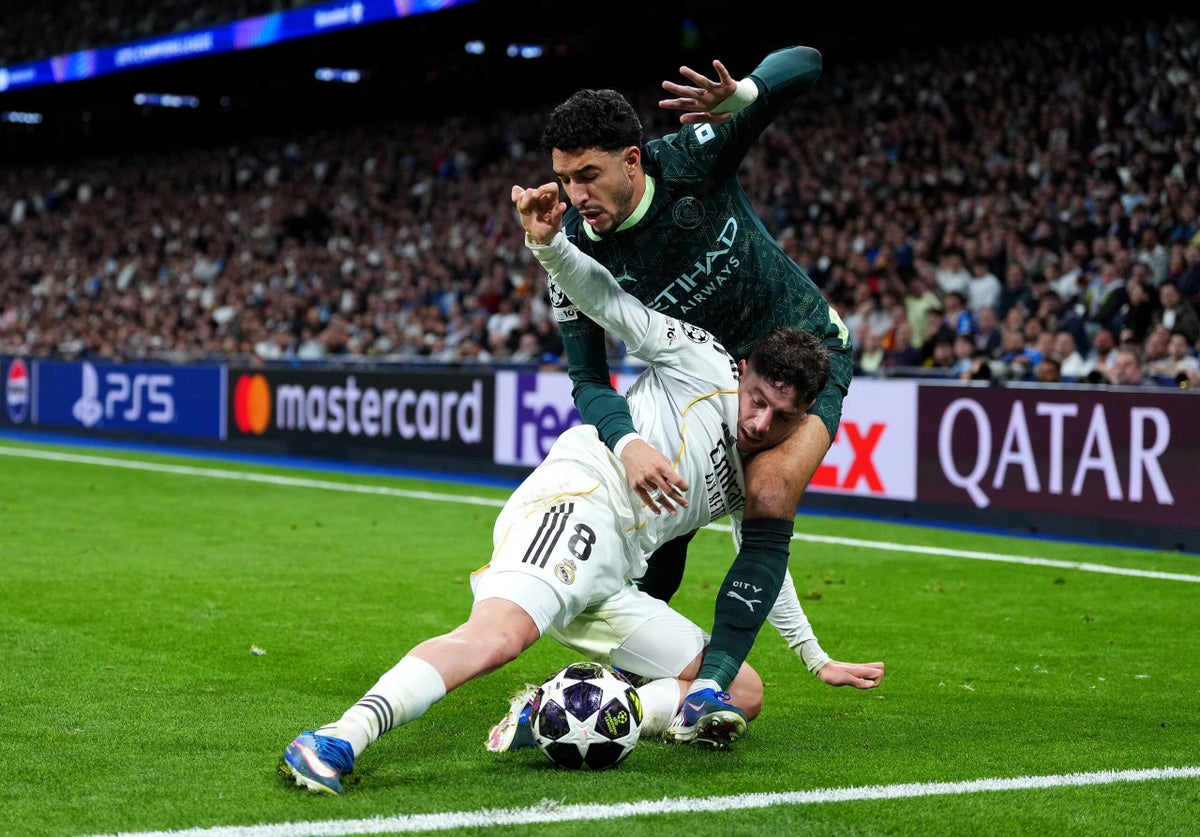
By half-time, Real Madrid were 3-0 up against Manchester City, and out of sight. Game over, and probably tie over.
But it hadn’t been entirely plain sailing for Alvaro Arbeloa’s side. In fact, throughout the first 15 minutes, Pep Guardiola’s Manchester City were unquestionably on top.
In particular, they were making inroads down their left flank. On paper, City were using three wingers: Jeremy Doku, Savinho and Antoine Semenyo. With Semenyo accustomed to a central role since his arrival at City in January, it was Savinho on the right and Doku wide-left. And City’s plan, it seemed, was to expose Trent Alexander-Arnold to some direct dribbling, a tactic Guardiola has used many times before in City’s clashes against Liverpool.
Doku stayed out on the touchline and was constantly in space in situations like this, when Semenyo had the ball centrally. But why was this pattern so exaggerated?
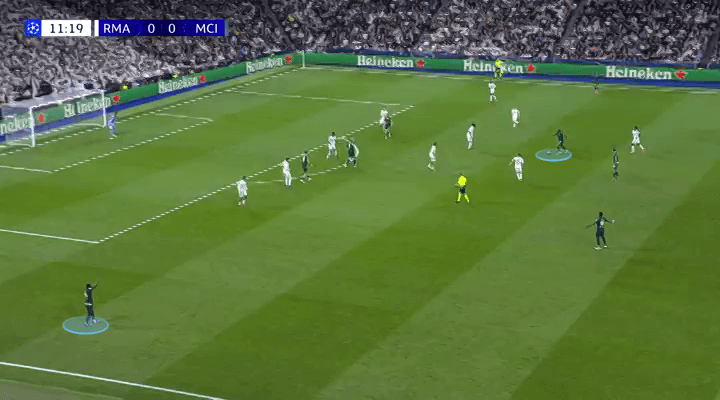
Guardiola’s plan for causing Alexander-Arnold problems was evident in the role of another young English central-midfielder-cum-full-back, Nico O’Reilly.
While he was defending at left-back, O’Reilly pushed into central midfield positions when City had possession. This naturally resulted in Federico Valverde, Madrid’s right-sided midfielder, following him inside.
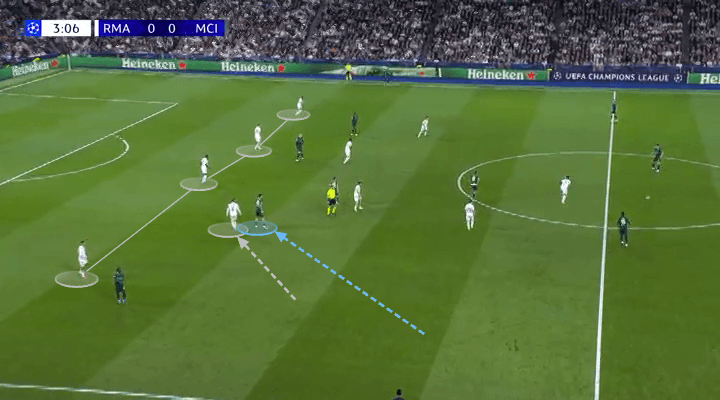
That left Alexander-Arnold with a problem.
He wasn’t sure how far to move out towards Doku. Instinctively, he wanted to remain tight to his fellow defenders, but Doku was remaining very wide, and so Alexander-Arnold kept getting himself into awkward, in-between positions.
City could repeatedly switch the play to Doku, who picked up speed and raced down the outside. He couldn’t quite find the right ball to put City ahead, but this early ball into the box, after a Bernardo Silva dribble, was very dangerous.
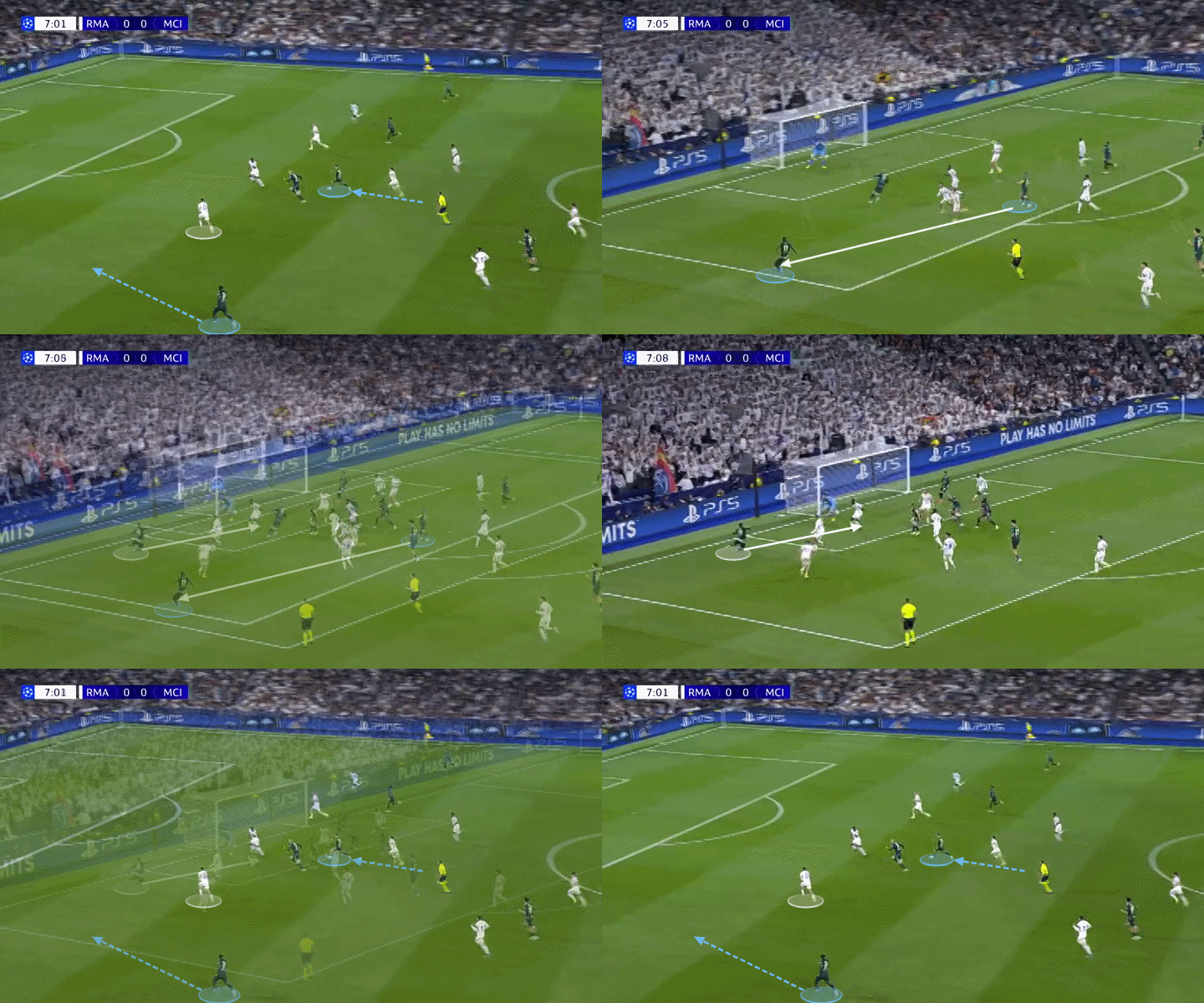
In this period, Valverde was always dropping into the channel, watching O’Reilly’s runs, with Alexander-Arnold moving out to Doku.
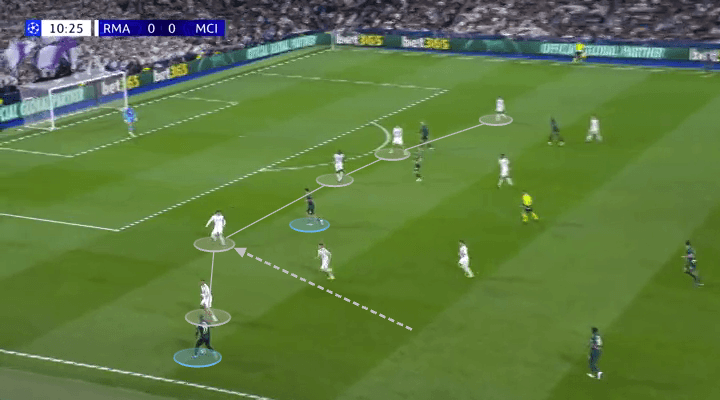
But neither element quite worked. Here, Doku slipped in O’Reilly, who made a good run in behind Valverde to play a cross into the box, which Erling Haaland wasn’t quite anticipating.
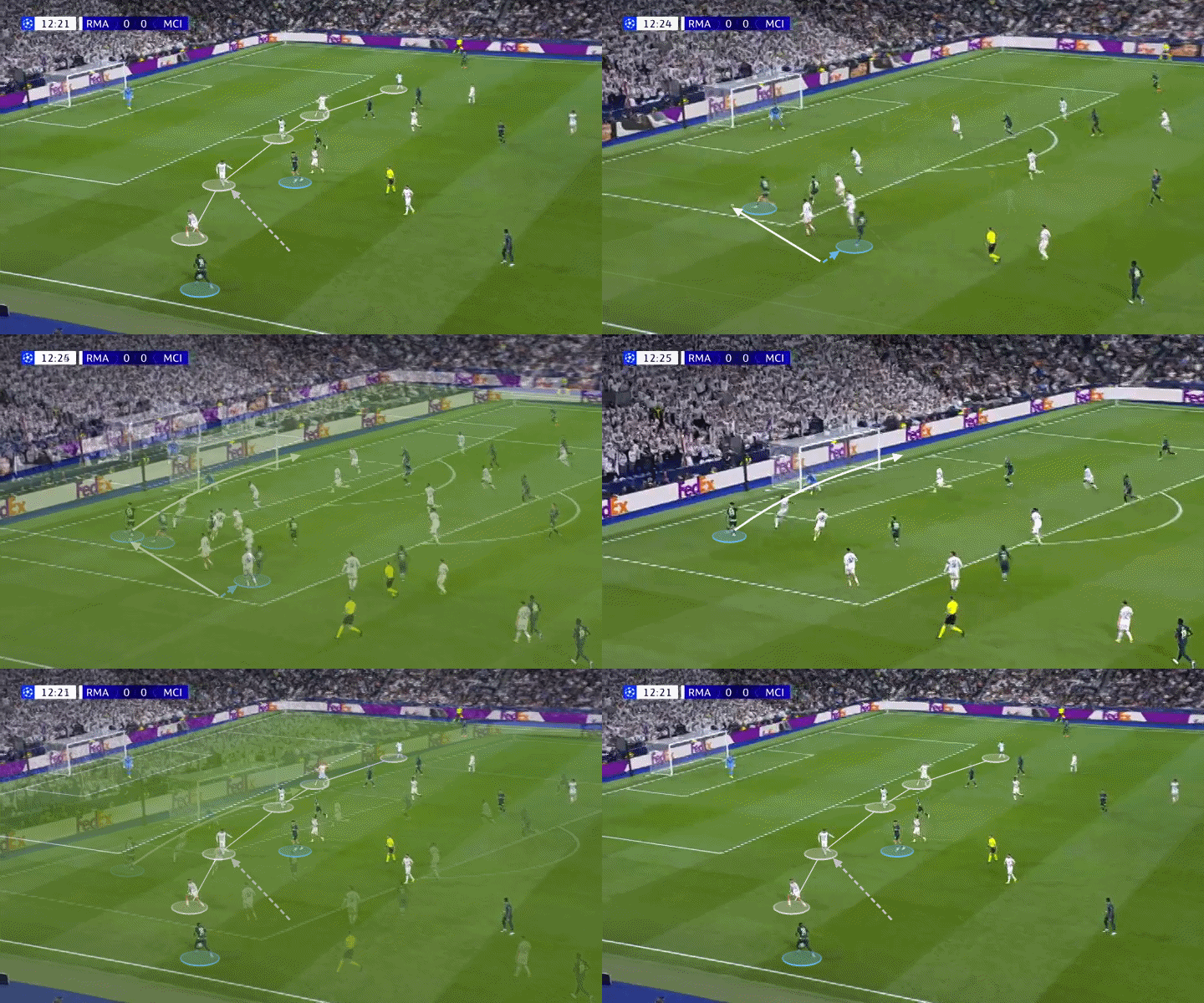
Doku, meanwhile, was terrorising Alexander-Arnold. This diagonal from Rodri got him running down the outside again, and it was Valverde, covering behind Alexander-Arnold, who blocked his cutback.
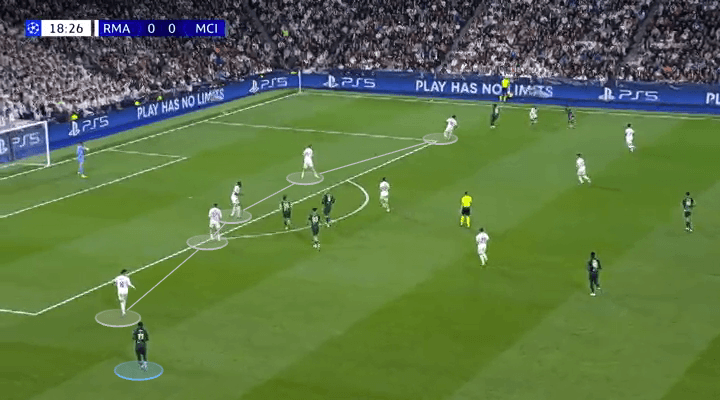
After that, Real Madrid found a solution.
It was fairly simple: rather than moving inside with O’Reilly, Valverde shuttled out to Doku. This meant Alexander-Arnold could stay infield, tight to the other defenders. More importantly, Valverde is a better one-on-one defender than Alexander-Arnold, which proved crucial against Doku’s dribbling.
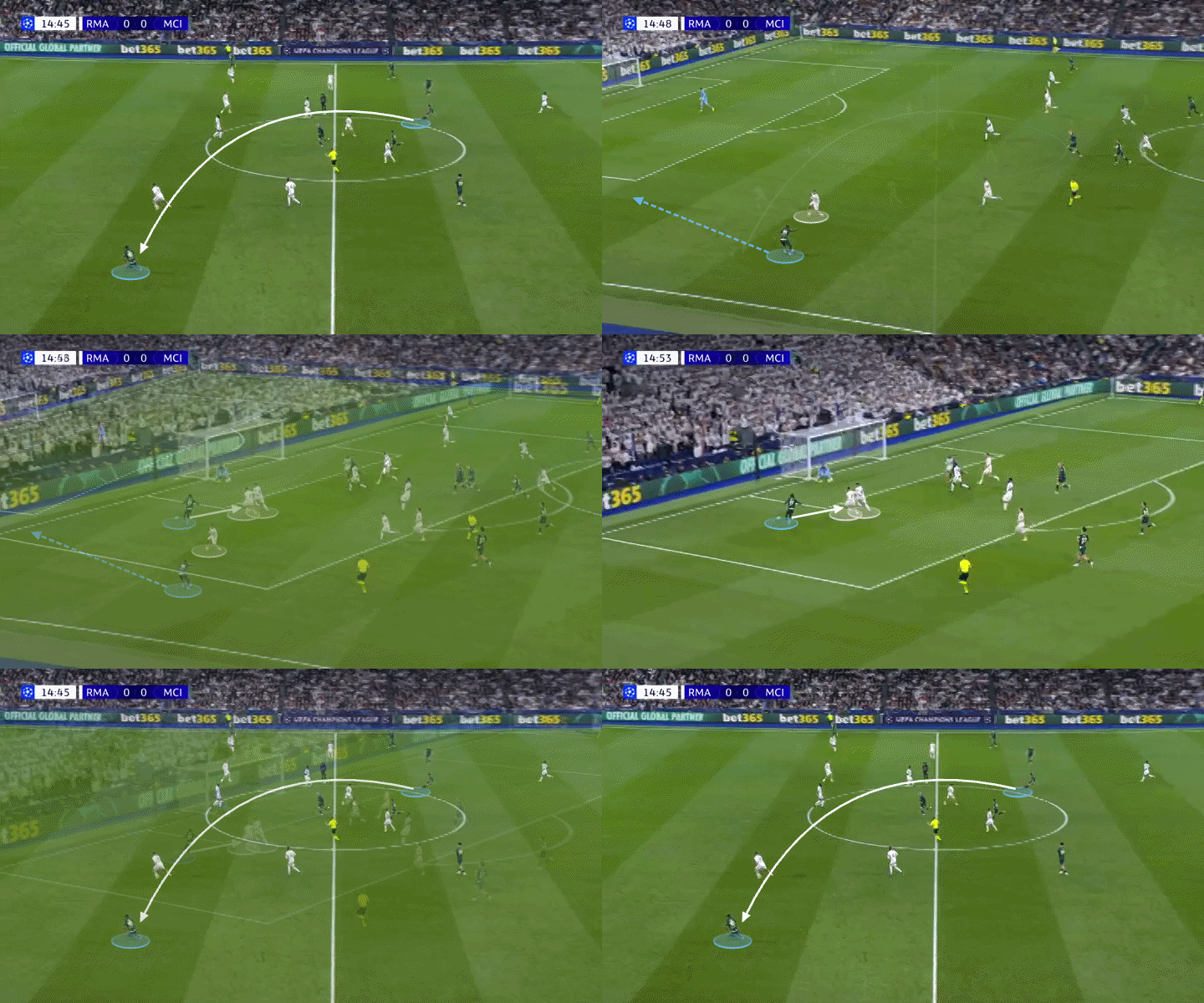
And this is the remarkable thing about Valverde’s hat-trick. It prompted comparisons to Champions League hat-tricks by Ronaldo, Karim Benzema, Robert Lewandowski and other superstar attackers. But until he struck the first goal, Valverde’s role had been as a defensive reinforcement — a makeshift right-back.
Yet the Uruguayan somehow still found time to race past O’Reilly — and Gianluigi Donnarumma — to turn Thibaut Courtois’ excellent ball into an assist.
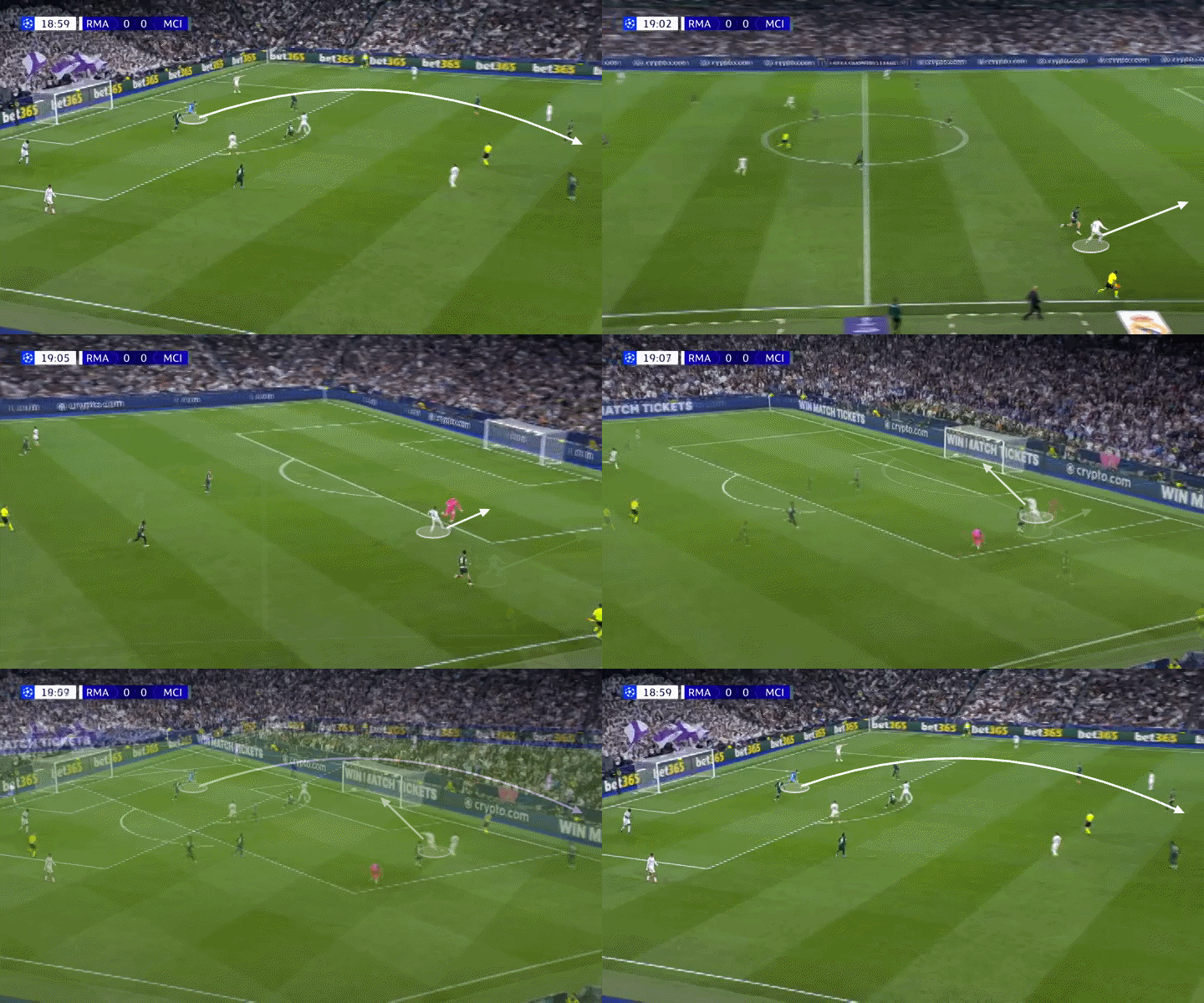
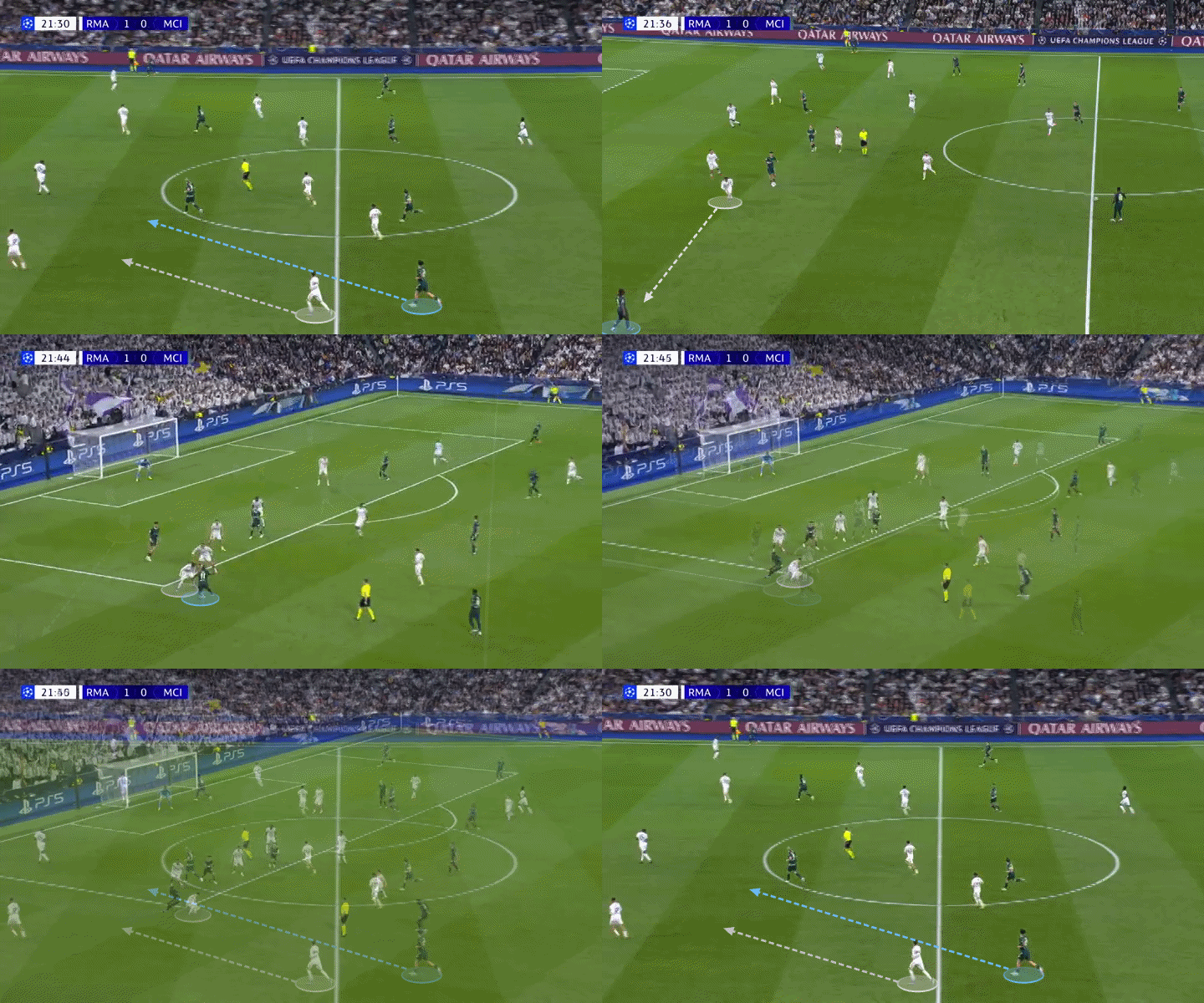
And two minutes later, here’s a good example of Valverde’s hybrid defensive job: following O’Reilly inside, up to a certain point, then pushing out wide to close down Doku, and dispossessing him.
Five minutes later, Valverde gets his second — waiting until O’Reilly checks over his right shoulder, then darting in behind on the opposite side, and finishing from Vinicius Junior’s pass.
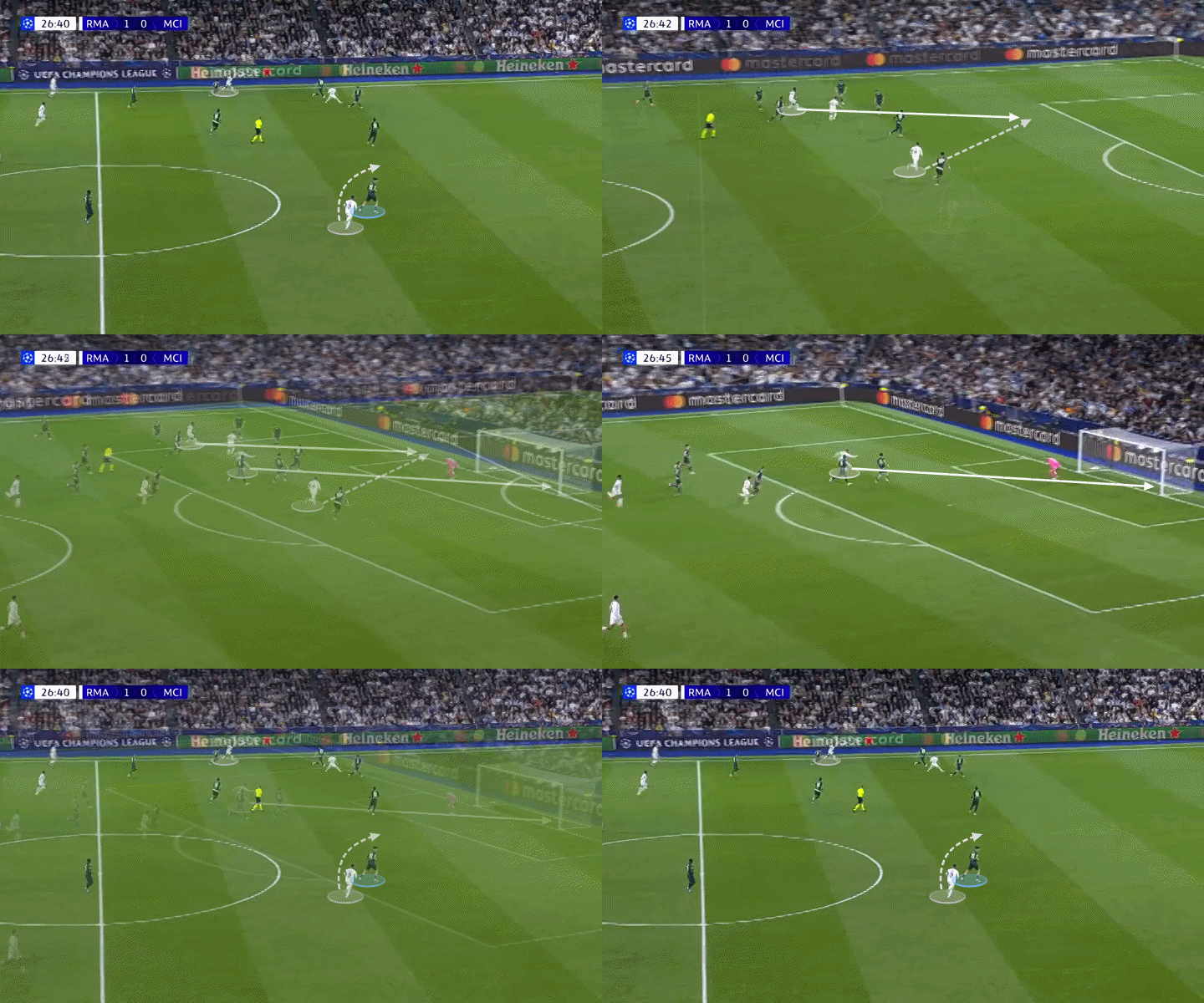
Again, this was combined with him effectively playing at right-back and constantly getting the better of Doku.
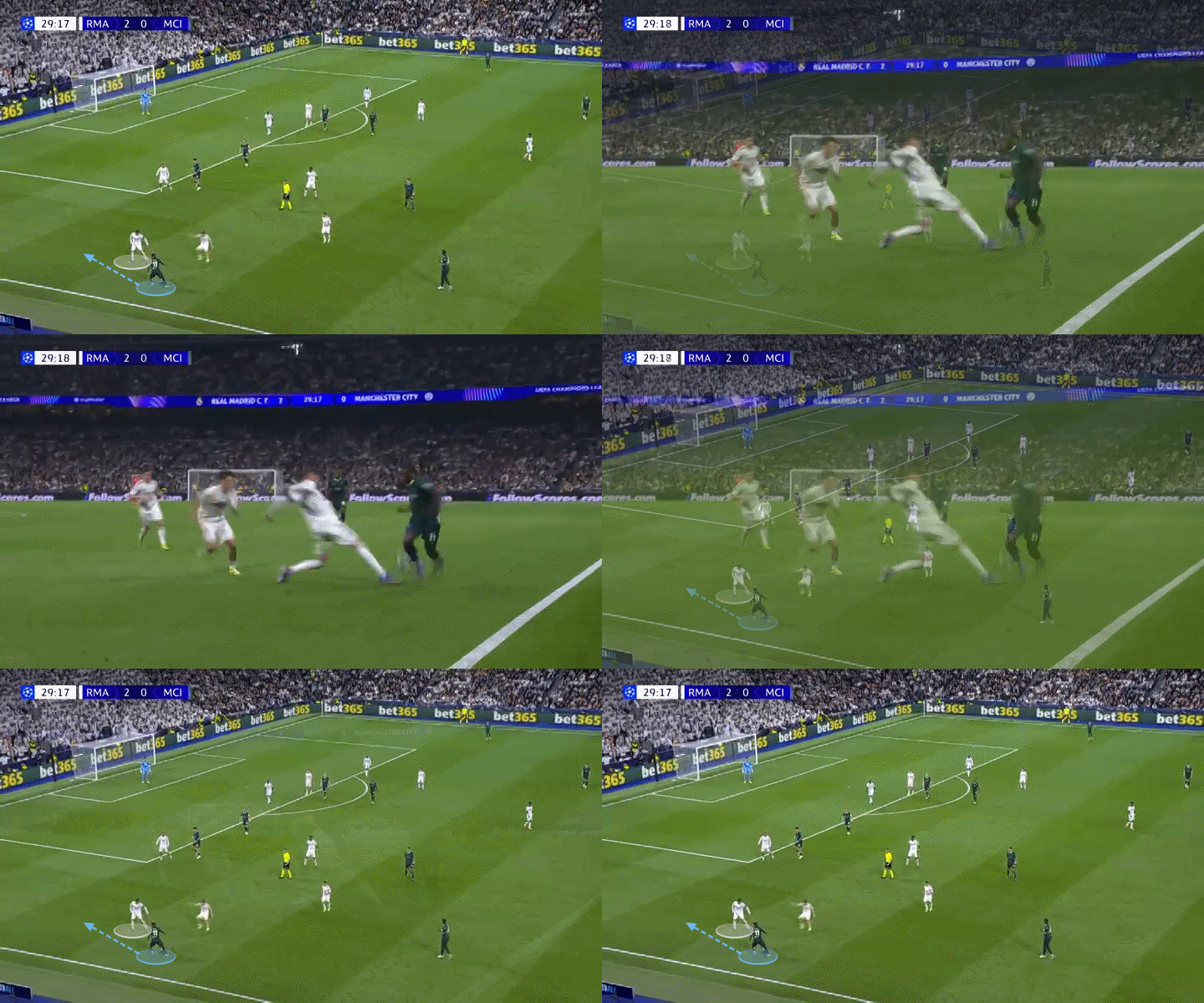
Before half-time, Valverde sealed his hat-trick. Brahim Diaz chipped the ball in behind for him, and Valverde popped the ball over Marc Guehi’s head and smashed in his third.
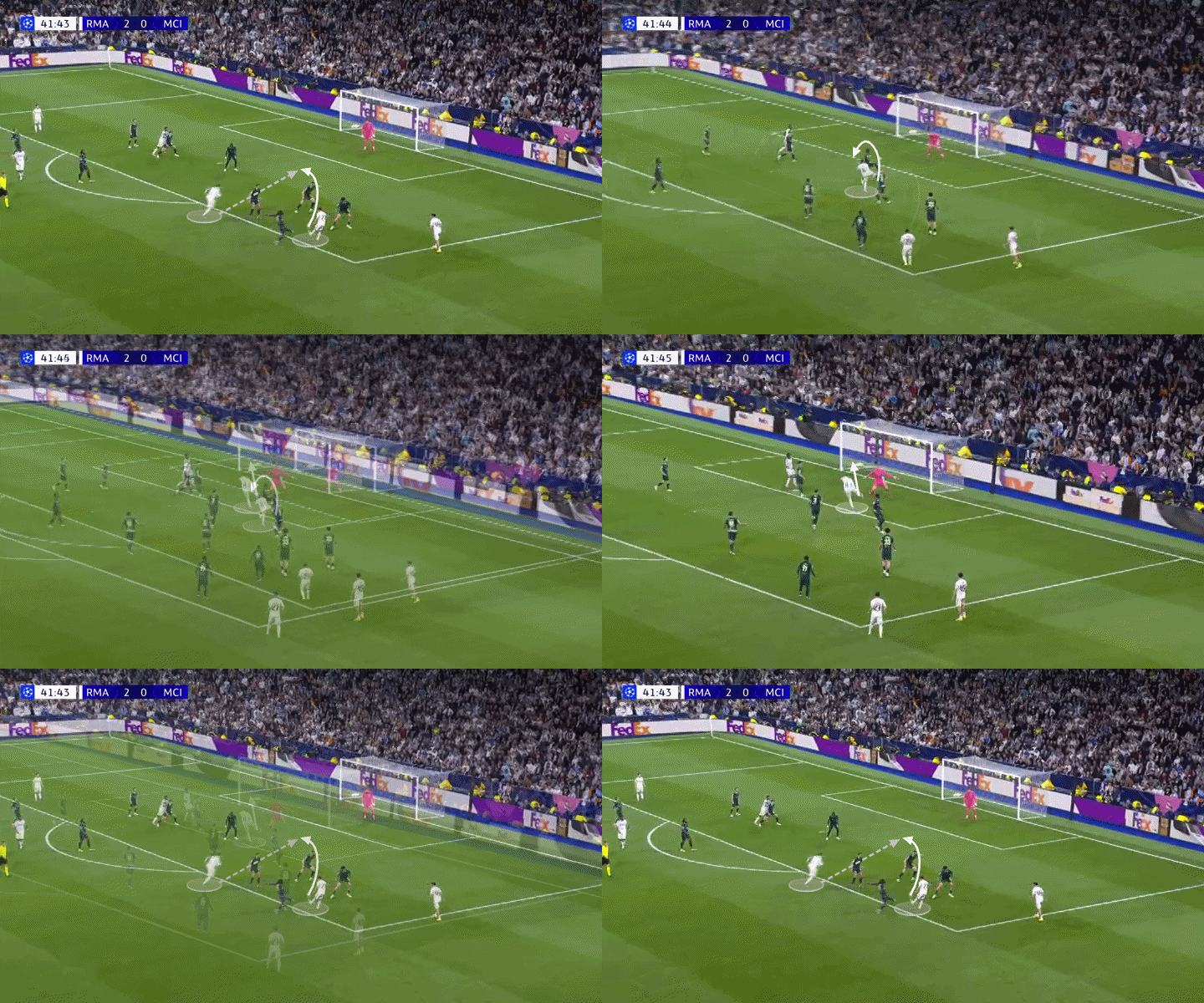
Valverde was the main story. But his hat-trick was really only part of the tale.
“I think he is undoubtedly the most underrated footballer on the planet,” said Alexander-Arnold afterwards. “When you play with him, you understand how much he gives to the team: he covers every blade of grass, he gives his all.
“As a player, the best attribute you can have is that your team-mates can always count on you and he’s always there — he never lets us down. Maybe people will start talking about it now, but for many years he’s been in that top bracket of midfielders.”
Valverde stabilised the game. And then he won it. This was a great hat-trick in isolation, but it was even better considering Valverde was also his side’s key defender.