
GDP stands for gross domestic product, and is a measure of all the economic activity of companies, governments, and people in a country.
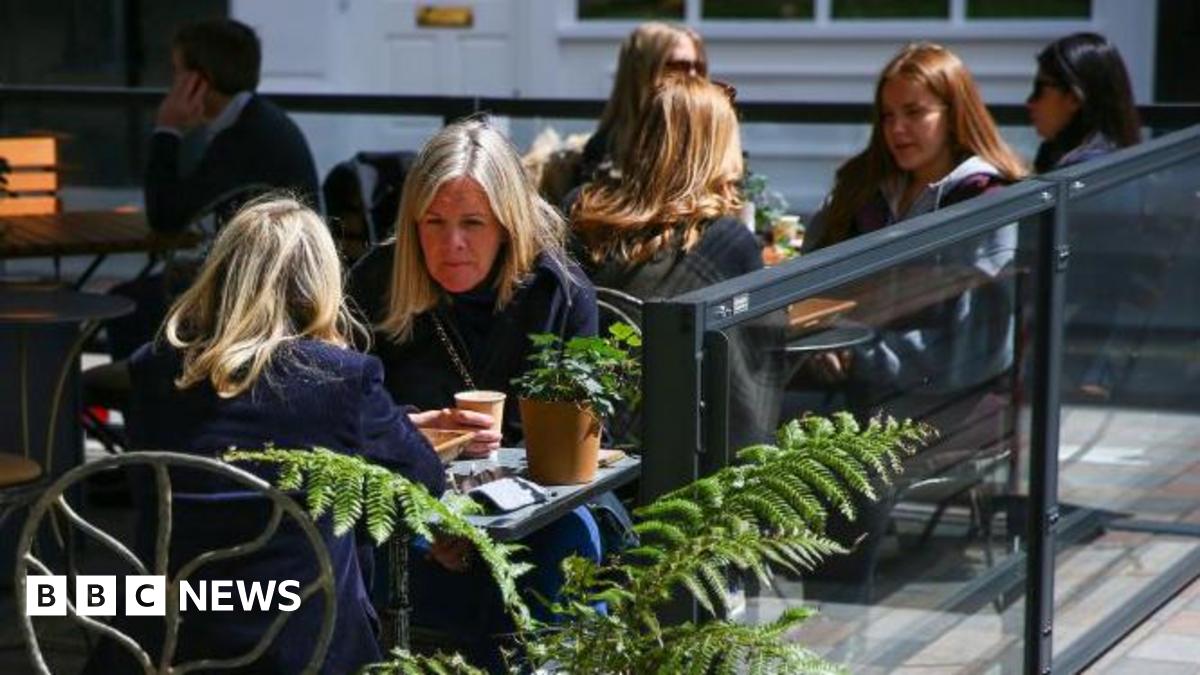
The ONS said the services sector showed no growth in January. Within this, there was a 2.7% fall in food and drink service activities.
Meanwhile production fell by 0.1%, and the construction sector grew by 0.2%.
Growth had already lost momentum in the second half of last year as consumers, anxious about possible tax increases and rising unemployment, held back.
In the three months to January, a less volatile measure in comparison to the monthly numbers, GDP grew by 0.2% – up from 0.1% in the three months to December.
In the Spring Statement in March, the Office for Budget Responsibility (OBR) – the government’s official forecaster – cut its prediction for how much the UK’s economy would grow this year to 1.1% from 1.4%.
Yael Selfin, chief economist at KPMG UK, said growth was “likely to remain elusive”.
“The UK economy started the year on the back foot and activity is expected to weaken further amid sharply rising energy prices,” she said.
She said government borrowing costs have risen in recent weeks. Before the Iran conflict, analysts had said the Bank of England could cut interest rates as soon as March, but they now widely expect a hold when it meets next week.
Keeping interest rates higher for longer will be a “headwind” for businesses, Selfin added, with expectations for weaker growth plus rising costs meaning firms are likely to scale back investment plans.