
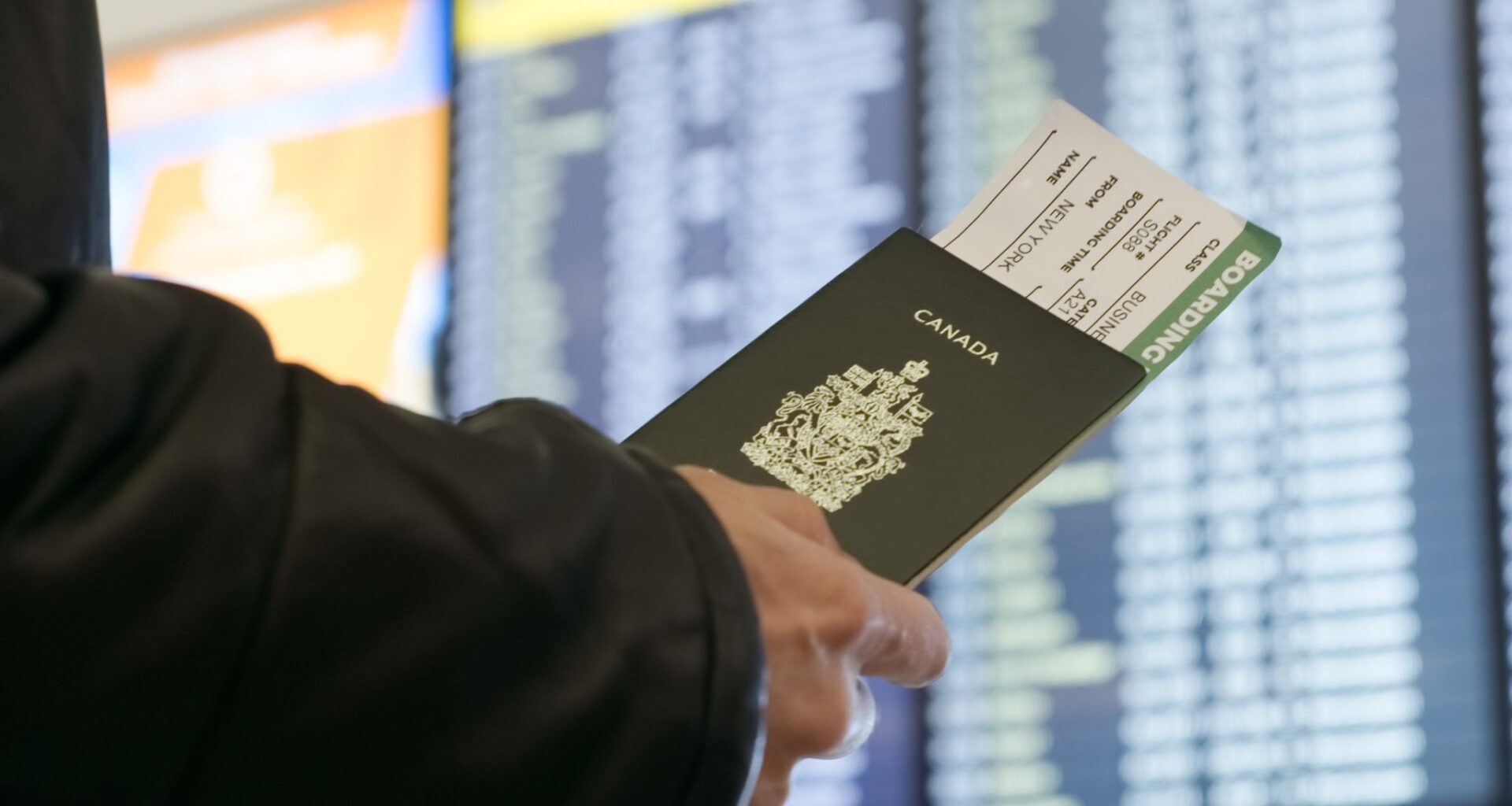
Canadians will see the price of flights surge in the coming weeks and months amid the conflict between the United States and Iran.
On Thursday, Iran’s new supreme leader, Mojtaba Khamenei, vowed to keep the Strait of Hormuz closed. It’s a crucial passage way for one-fifth of the world’s oil supply, and its shutdown has caused oil prices and, therefore, jet fuel costs to spike.
“Because fuel is one of the largest operating expenses for airlines, sudden increases can create pressure on airline pricing,” Amra Durakovic, head of communications for Flight Centre Canada, told Daily Hive.
With Iran and the U.S. showing no signs of de-escalating the conflict, Canadians will soon feel the impact of war on their bank accounts, especially when it comes to the price of flights.
Durakovic explained that airlines adjust fares based on several factors, including fuel costs, demand, and competition on specific routes.
“It’s difficult to predict exactly how prices may change until airlines formally make those decisions. The situation is still evolving, and airlines will continue to monitor fuel costs and market conditions,” she said.
Airlines share statements about the price of flights
rchat/Shutterstock
Air Transat was the first Canadian airline to respond to skyrocketing jet fuel prices. On Wednesday, the airline’s chief financial officer, Jean-François Pruneau, stated the airline would increase fuel surcharges for Europe during the company’s first-quarter earnings call. He added that this would be blended into the total price of flights.
“What we’re also doing is currently raising fares on peak travel dates and routes where we see less competition, where we have more flexibility,” he told investors.
Air Canada, WestJet, Flair, and Porter responded to Daily Hive’s request for comment regarding price increases amid the conflict.
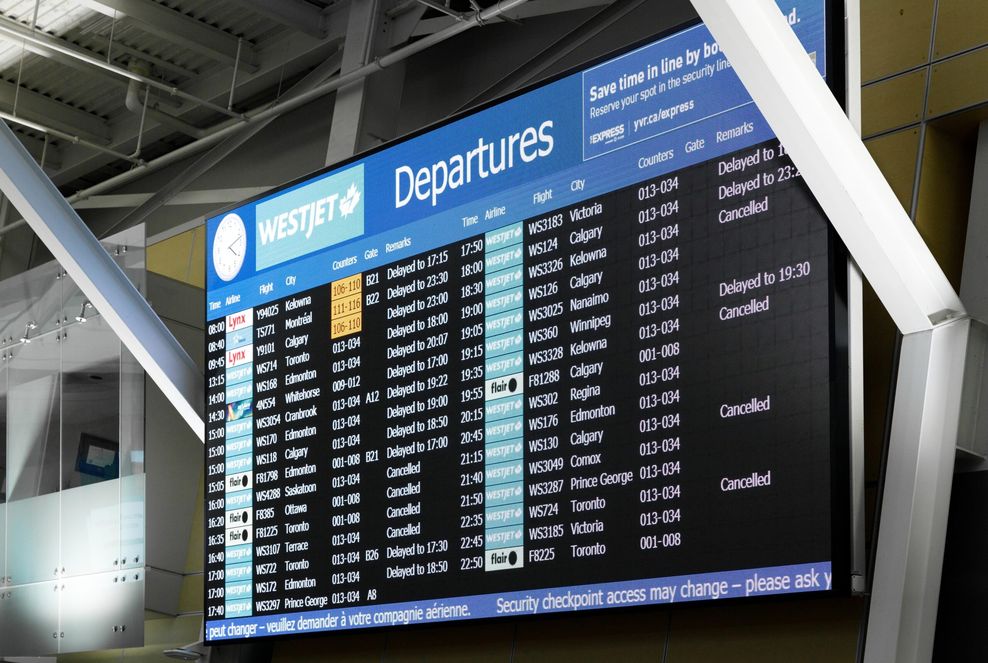
“Airfares reflect current operating costs and typically fluctuate based on market supply and demand. In recent days, fuel prices have continued to rise, and fares have adjusted accordingly,” stated WestJet spokesperson Julia Kaiser.
Margarita Young/Shutterstock
Air Canada spokesperson Christophe Hennebelle shared a similar statement, suggesting an increase in the price of flights due to the war.
“Global jet fuel prices have surged in the past several days, creating increased cost pressure, and the situation is still highly volatile and unpredictable,” he explained. “Pricing has been and continues to be adjusted to reflect these higher fuel costs while delivering the reliable service and network Canadians depend on. Overall, travel demand remains resilient.”
Flair Airlines said it would not speculate on future pricing changes as the situation is dynamic. However, the airline did note that its team actively manages fuel purchasing and operational efficiency to “help mitigate volatility while maintaining reliable service for Canadians.”
A Porter Airlines spokesperson said they’re not able to forecast ticket prices, but are monitoring the situation closely.
How can Canadians save money?
Vikkkks/Shutterstock
Although none of the airlines provided an estimate on how much more Canadians will be paying for flights amid the rise in jet fuel costs, Google Flights’ price tracking gives us a glimpse.
According to Google Flights, prices for a one-way ticket from Vancouver to Toronto in May are currently high.
The cost of a ticket this week is around $400 to $450, compared to about two weeks ago, when the price for flights in May was around $340.
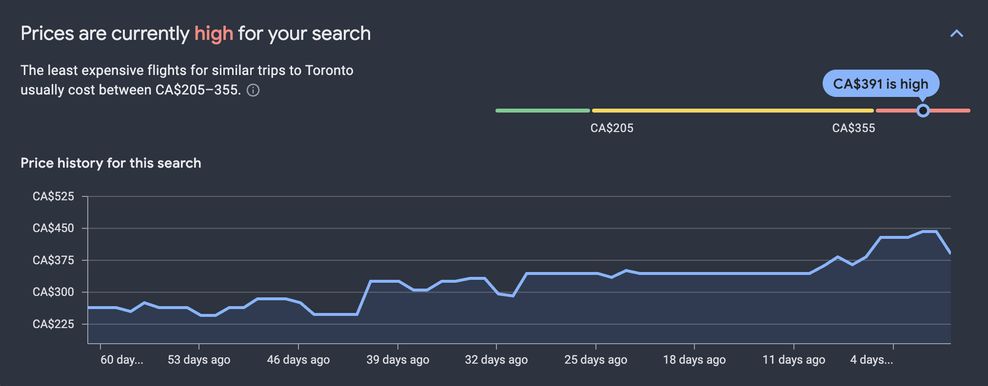
Google Flights
Flight Centre Canada’s Durakovic said from what they’ve seen, Canadians are still booking flights.
“Changes in costs don’t necessarily stop people from taking trips, but they can influence how travellers plan—whether that’s booking earlier, travelling during shoulder seasons or choosing destinations where their dollar stretches further,” she said.
Durakovic advised travellers to be flexible with travel dates and book ahead to help secure value if airfare prices do begin to shift.