
Tens of thousands of employees at the Department of Homeland Security officially missed their first full paychecks on Friday, as the agency shutdown reached its one-month mark — and counting.
The vast majority, about 90%, of the more than 260,000 DHS employees are continuing to work without pay throughout the funding lapse, which began Feb. 14. Employees earlier this month received partial paychecks, compensated only for work hours they completed prior to the start of the shutdown.
According to the agency’s shutdown contingency plan, most DHS employees are considered “excepted,” meaning they continue working as usual but will not receive pay until after the shutdown ends. That includes employees at the Transportation Security Administration, Federal Emergency Management Agency, Cybersecurity and Infrastructure Security Agency, Coast Guard and Secret Service.
As the shutdown drags on, the excepted employees are feeling financial strain firsthand. Johnny Jones, secretary-treasurer of American Federation of Government Employees Council 100, which represents TSA workers, said many employees are struggling.
]]>
“A lot of employees that I’ve talked to don’t have any money in their bank account,” Jones said in an interview with Federal News Network. “They’ve already missed half a check, so they don’t know what bill to pay.”
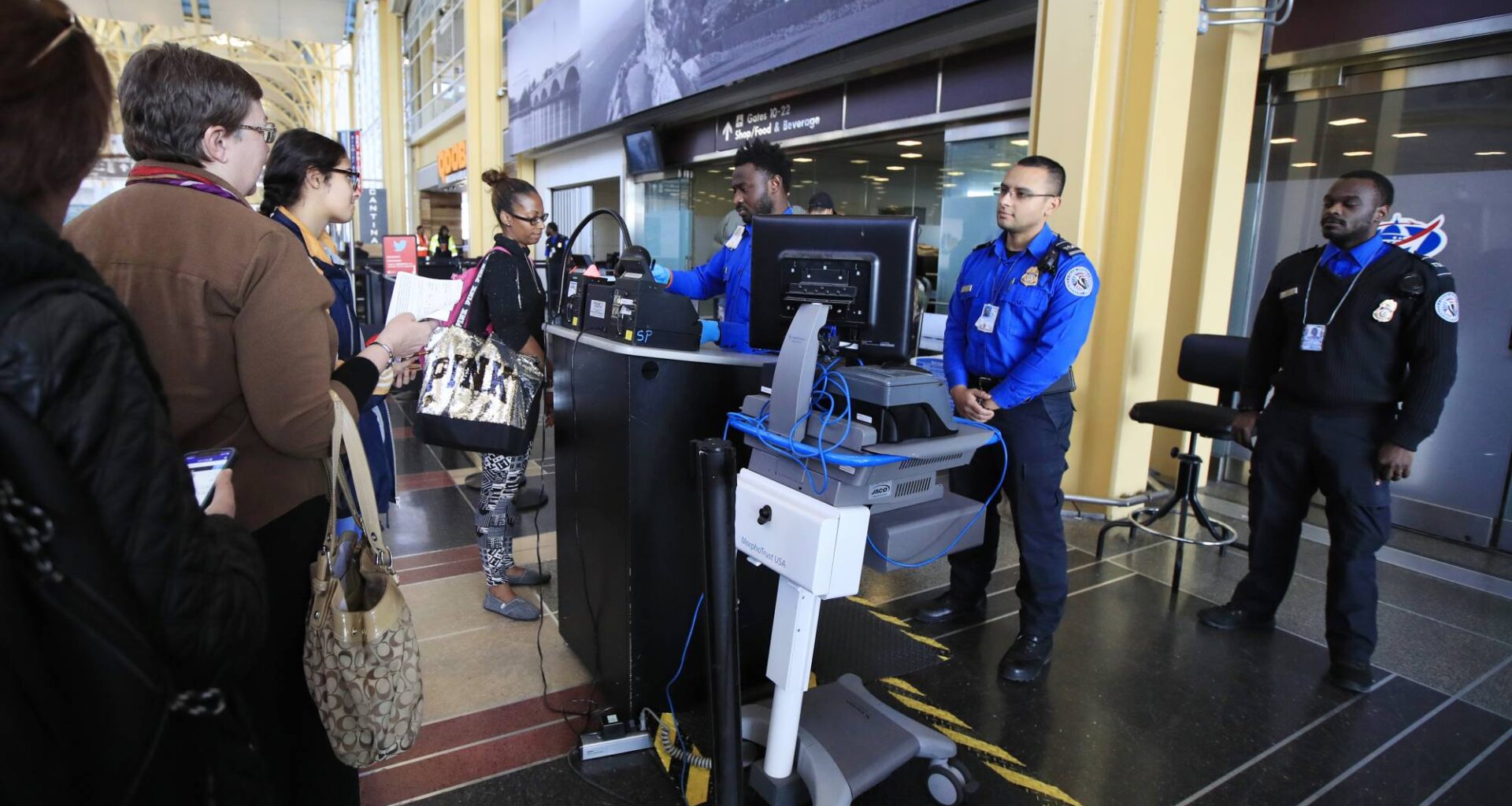
The current DHS shutdown is also straining air travel across the country, resulting in long security wait times at airports in cities including Houston, New Orleans and Atlanta, as TSA staffing levels in some areas fall short due to the financial struggles.
“TSA employees are still going in every day — they’re going to work,” Jones said. “And if they can’t go to work, it’s because they don’t have any funds. It’s been very stressful.”
While most DHS staff go unpaid, certain DHS components, including Customs and Border Protection and Immigration and Customs Enforcement, are continuing to pay at least a portion of their workforces without delay, using discretionary funding from the One Big Beautiful Bill Act.
The OBBBA funding that was set aside for DHS last year was not specifically marked for salaries or operations, but the Trump administration made the uncommon decision during last fall’s shutdown to dedicate some of that funding to select employees’ paychecks — a decision that has been repeated in the current funding lapse as well.
The current DHS-only shutdown began Feb. 14 after members of Congress were unable to reach an agreement over immigration enforcement reforms prior to the appropriations deadline.
A full month later, lawmakers do not appear any closer to reaching a spending agreement. Democrats stressed that they were willing to fund some of DHS, but not ICE or CBP, without changes in agency operations. Republicans made clear that some of the Democratic demands were a non-starter.
]]>
The two political parties have continued to point fingers for the shutdown. Each party blocked the other’s proposal for a temporary funding resolution, after hours of debate on the Senate floor earlier this week.
“It seems like we have politicians that serve political parties and political interests — not the interests of the voting public,” Jones said. “It’s so anti-American to send somebody to work, fully knowing that you’re not going to pay them on time.”
All excepted and furloughed federal employees are supposed to be guaranteed back pay once congressional appropriations are restored, due to a 2019 law. Although the impacted DHS employees will eventually get back pay once the funding lapse ends, Jones pointed out that employees won’t receive any additional compensation to cover fees or penalties they might have incurred from late rent payments or other bills due during the shutdown.
Max Stier, president and CEO of the Partnership for Public Service, described the missed paychecks for these employees as “cruel and unnecessary.” In a press release Friday, he called for the passage of legislation that would keep federal employees paid during any current or future funding lapse, such as the Shutdown Fairness Act.
“Both sides bear responsibility for letting government shutdowns become a recurring feature in our political system,” Stier said. “But we can at least avoid inflicting harm on federal employees who do not deserve it.”
The Associated Press contributed to this report.
If you would like to contact this reporter about recent changes in the federal government, please email drew.friedman@federalnewsnetwork.com or reach out on Signal at drewfriedman.11
Copyright
© 2026 Federal News Network. All rights reserved. This website is not intended for users located within the European Economic Area.