
Your support helps us to tell the story
From reproductive rights to climate change to Big Tech, The Independent is on the ground when the story is developing. Whether it’s investigating the financials of Elon Musk’s pro-Trump PAC or producing our latest documentary, ‘The A Word’, which shines a light on the American women fighting for reproductive rights, we know how important it is to parse out the facts from the messaging.
At such a critical moment in US history, we need reporters on the ground. Your donation allows us to keep sending journalists to speak to both sides of the story.
The Independent is trusted by Americans across the entire political spectrum. And unlike many other quality news outlets, we choose not to lock Americans out of our reporting and analysis with paywalls. We believe quality journalism should be available to everyone, paid for by those who can afford it.
Your support makes all the difference.Read more
British fruit and vegetable growers are warning of potential production halts and empty supermarket shelves as soaring energy and transportation costs caused by the war in Iran threaten to make their operations unsustainable.
Industry leaders fear many producers may be forced to end their season early.
Lee Stiles, secretary of the Lea Valley Growers Association (LVGA), which represents 70 glasshouse growers across the UK, including the largest cucumber producers, highlighted the precarious situation.
He stated: “Growers are in the same position now as they were when Russia invaded Ukraine, because the wholesale gas prices are creeping up.”
He warned that without intervention, growers face a stark choice: “With rising costs, many growers are thinking they might as well send the staff home, stop for the season and not produce anything.
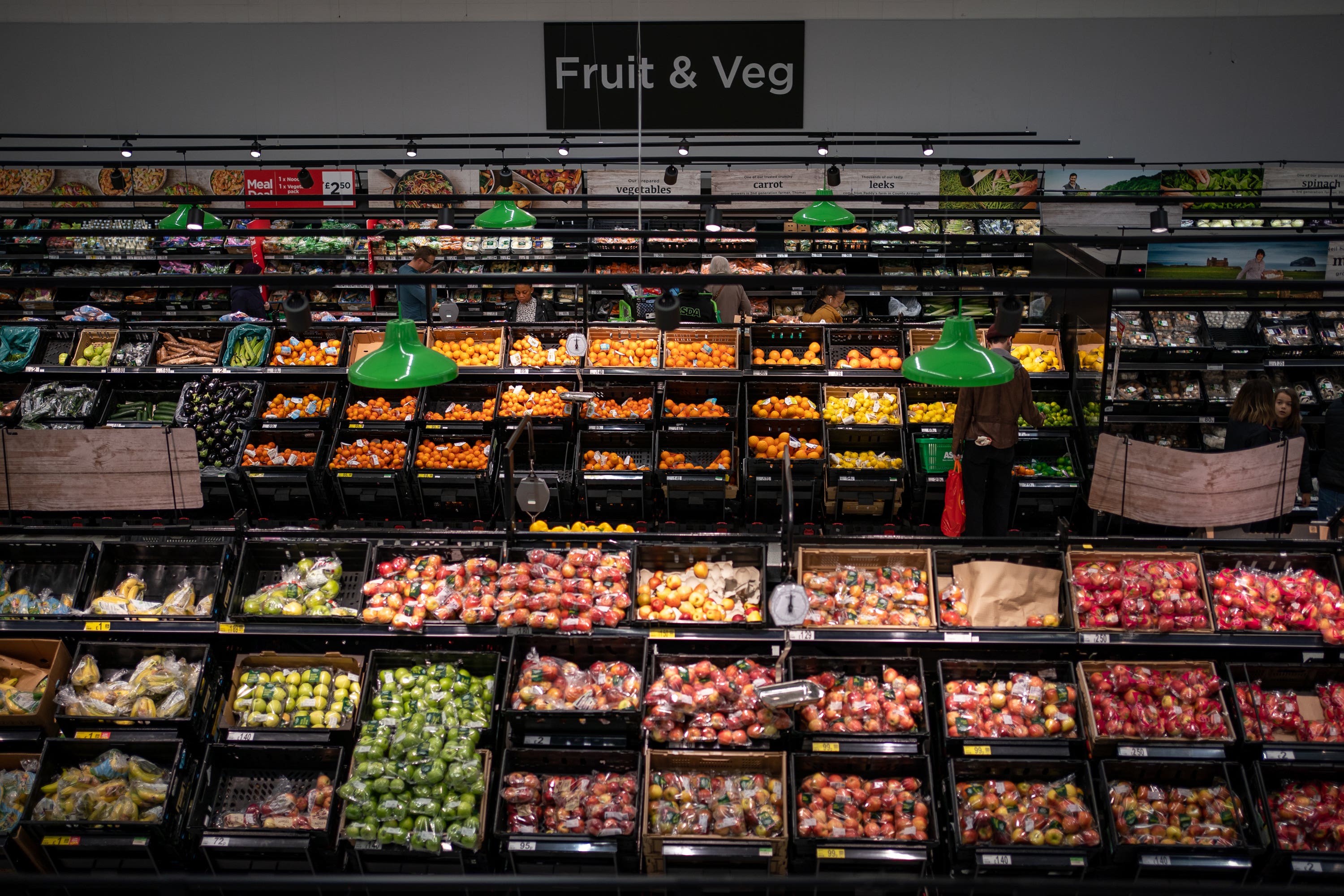
open image in gallery
Shoppers in the fruit and vegetables section of Asda (PA) (PA Archive)
“They’re going to have to make a decision in the next few weeks as to whether or not it’s going to be economic to continue for the rest of the year.”
The inability to afford heating for glasshouses would mean crops cease to grow, leading to significantly reduced yields.
Mr Stiles drew parallels to previous shortages, adding: “Back in 2022 when Russia invaded Ukraine, we ended up with empty shelves in the supermarkets.”
He urged retailers to act: “The supermarkets agreed a fixed price with growers last year. They can intervene now if they wish and agree to pay more for the produce because of the increased cost of production. But it looks as though they’re prepared to have empty shelves again and reduced availability.”
Rachael Williams from the West Sussex Growers Association (WSGA), which covers a range of fruit, vegetable, and ornamental plant production, echoed these concerns.
She noted: “I have touched base with our growers and everybody’s obviously worried. They are worried about what will happen, how it will develop, and the uncertainty of it all.”
Ms Williams explained that the crisis extends beyond direct energy expenses, describing it as “four-fold really. It’s the rise in transportation costs, input costs, supply chain disruption, and then, of course, from the energy perspective heating the glasshouses.”
She highlighted the dramatic increase in fuel prices for open-field growers, stating: “On the transport cost, red diesel has gone up by more than 50% in just 10 days, that’s huge for open field growers using tractors too.”
Data from heating oil firm BoilerJuice showed red diesel prices surging from 79.44 pence per litre on March 1 to 131.26 pence per litre by March 12.
The warnings coincide with a meeting between the National Farmers’ Union (NFU) and the Department for Environment, Food and Rural Affairs (Defra) to discuss the UK’s food resilience.
NFU president Tom Bradshaw commented: “We’ve already seen this situation play out with the Russian invasion of Ukraine which drove an ongoing cost-of-living crisis here. And, with the removal of farm support which added a layer of resilience for many farm businesses, farmers are more exposed than ever to global markets.”
He concluded: “While the impact on food production and food price inflation will depend on what happens over the coming weeks, it is yet another sobering reminder of the need to build resilience in UK farming.”