
People in the Fazakerley area of Liverpool said it was ‘frightening’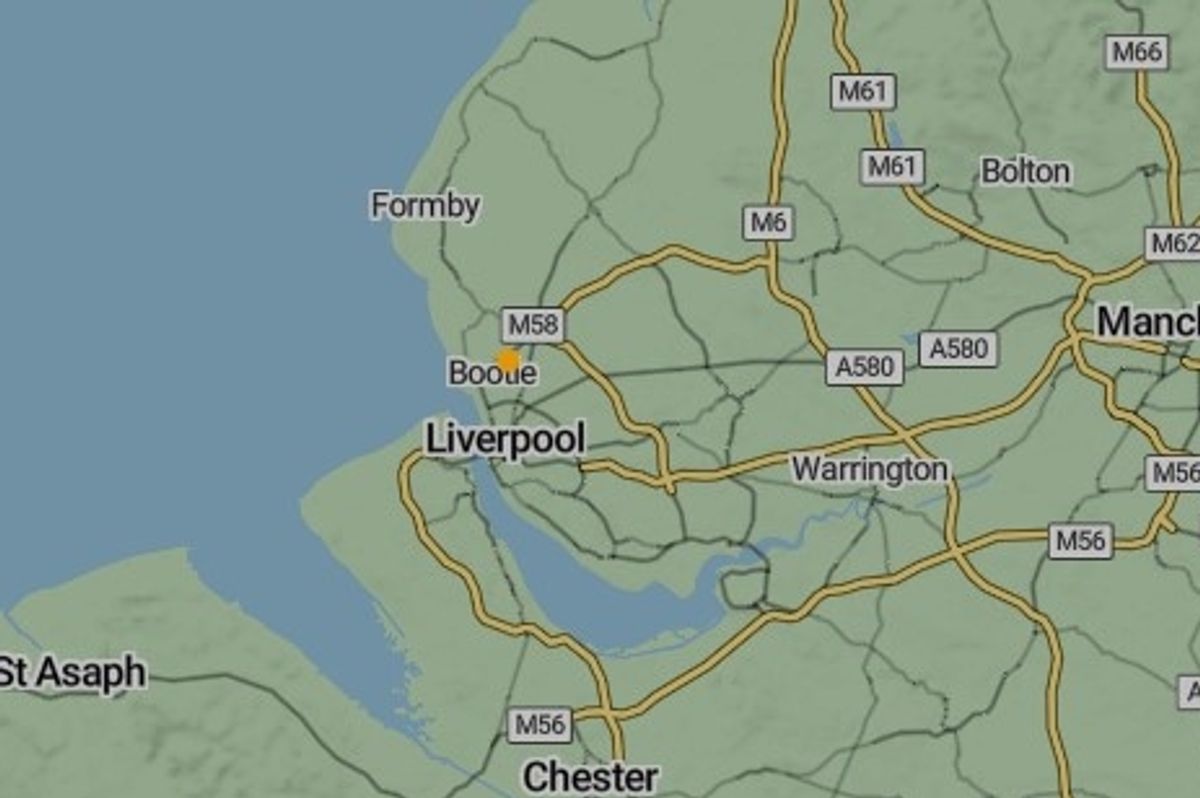
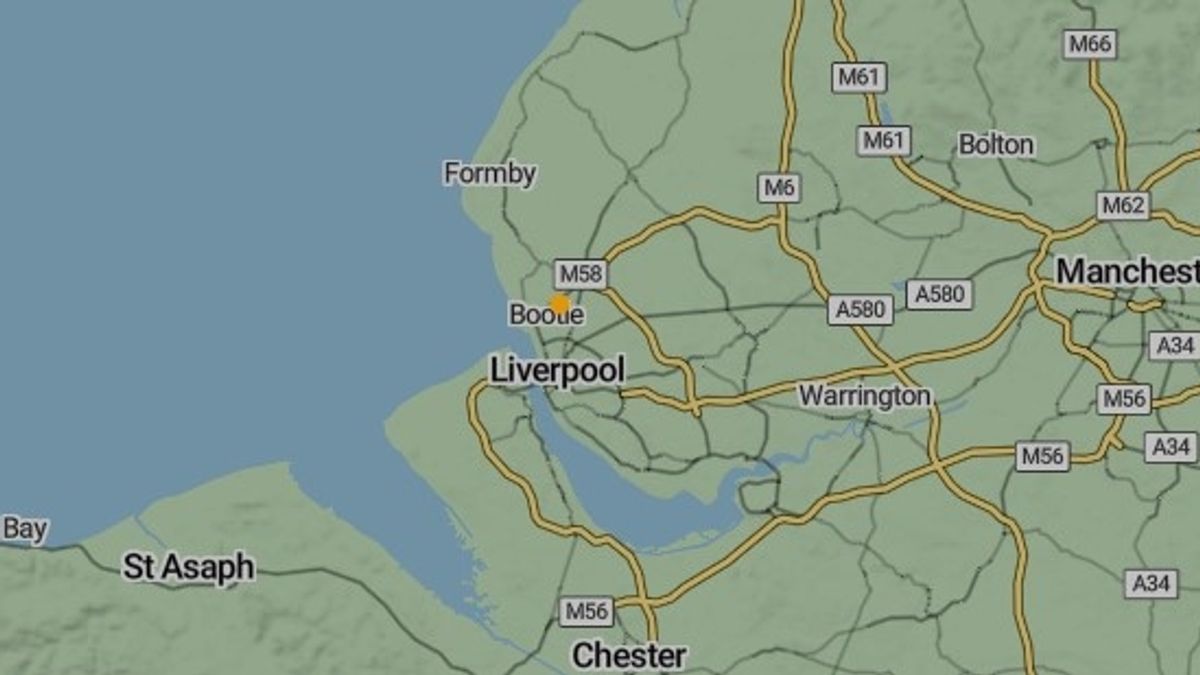
Met Office lightning map over Liverpool, with the orange dot representing a lightning strike, March 15 2026(Image: Met Office)
Lightning has struck Liverpool in the last hour. People living in Fazakerley reported hearing thunder and seeing lightning at around 7pm on Sunday, March 15. One woman in a local Facebook group said: “Wow, did anyone hear/see that lightning then?”
Many others claimed they had. Another woman who lives locally said: “Yes, we were just getting out the car. It was so bright and loud.” A third woman said: “It made me shake. I thought it may have struck something. I’ve never heard anything like that before.”
A fourth added: “I did, it was frightening!” A man said: “I saw a white flash out of my window and it looked like (it was on) the M57, which is right by my house.”
Another man said: “It was the loudest thunder I’ve ever heard.” Others reported hearing the thunder in others such as Kirkby.
The Met Office’s lightning map reported a strike at 7.01pm in the Liverpool area. The Lightning Maps website also said lightning struck the city at that time, with a cluster of reports close to Longmoor Lane in Fazakerley.
There are no reports of disruptions to traffic and travel in Merseyside at this time. No weather warnings covering Merseyside are in place either.
Lightning was not forecast this evening by the Met Office, although it did predict an evening of heavy showers and winds. The BBC Forecast for Merseyside said: “Tonight will be breezy and cool. Scattered showers will push in from the west with clear spells developing in between the showers.”
The Met Office’s advice for staying safe during a thunderstorm said: “Telephone lines can conduct electricity so try to avoid using the landline, unless in an emergency.
“If outside, avoid water and find a low-lying open place that is a safe distance from trees, poles or metal objects.
“Avoid activities such as golf, rod fishing or boating on a lake.
“Be aware of metal objects that can conduct or attract lightning, including golf clubs, golf buggies, fishing rods, umbrellas, motorbikes, bicycles, wheelchairs, mobility scooters, pushchairs, wire fencing and rails. If you are in a tent, try to stay away from the metal poles.
“If you find yourself in an exposed location it may be advisable to squat close to the ground, with hands on knees and with head tucked between them. Try to touch as little of the ground with your body as possible, do not lie down on the ground.
“If you feel your hair stand on end, drop to the above position immediately.”
The Met Office’s advice for driving in a thunderstorm states: “Soft-top convertibles, with their fabric roofs, are the most at risk and could catch fire if struck by lightning.
“Be aware that current can travel through other parts of many modern cars, including GPS and radio systems. Cars with metal interior handles, foot pedals and steering wheels can also carry current.
“Cars can be damaged both internally and externally by lightning strikes.
“Thunderstorms can also bring a risk of sudden gusty winds, those most at risk in this case would include cyclists, motorcyclists and high sided vehicles.
“Remember to give vulnerable road users including cyclists, motorcyclists and pedestrians more room than usual. They are more likely to be blown around by side winds – always keep a safe distance.
“Keep your speed down, lowering your speed will lower the distance you travel when buffeted around by the wind.
“Hail storms can be extremely dangerous to drive in, reducing your ability to see and be seen, as well as causing damage to your vehicle. If hail is severe, stop and pull over to a safe place and remain inside the vehicle.”