
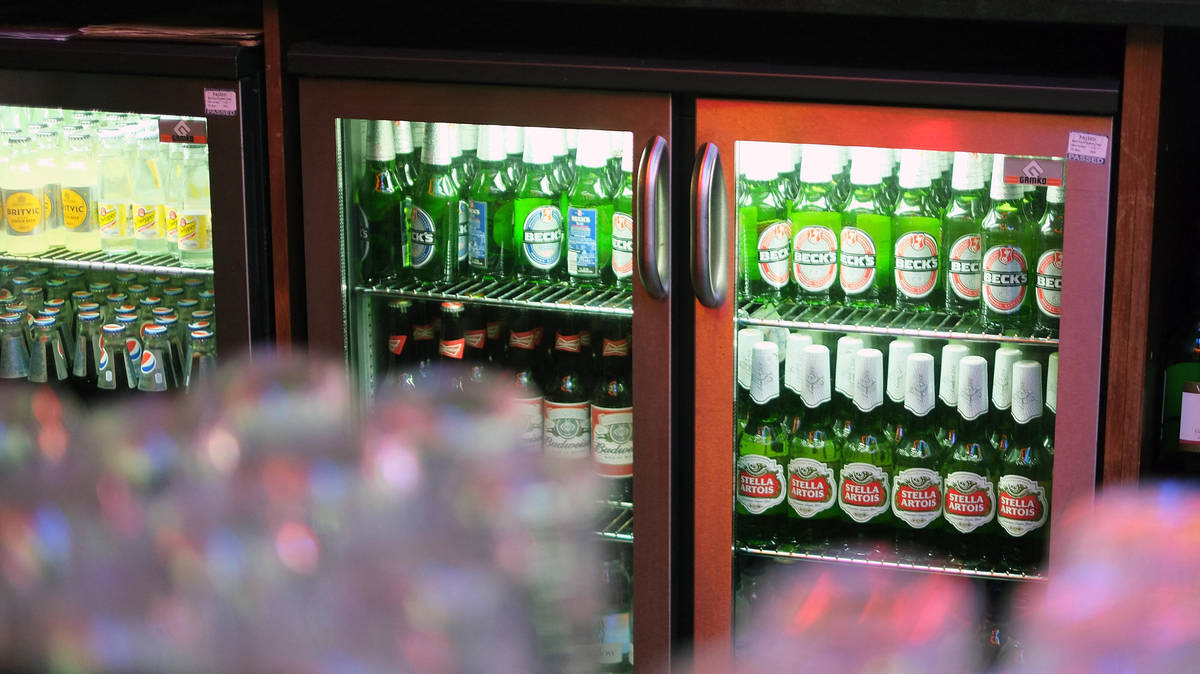
Firms should avoid unnecessary electricity use by switching off bottle fridges overnight, the Energy Secretary has suggested
The Department for Energy Security and Net Zero’s new online advice tool suggests that firms avoid unnecessary electricity use by switching off bottle fridges overnight.
Picture:
Alamy
Pubs, restraurants and hotels should switch off beer fridges and ovens to save money on energy bills, the government has said, as it is advises hospitality firms on cost-cutting measures amid spiralling prices.
Hundreds more pubs, restaurants and hotels are set to receive access to a new free energy saving and carbon reduction tool to in a bid to drive down the cost of doing business.
The Department for Energy Security and Net Zero’s new online advice tool suggests that firms avoid unnecessary electricity use by switching off bottle fridges overnight.
It also suggests monitoring energy hotspots including extraction systems, ovens and lamps.
This comes as a spike in energy prices over the escalating Middle East conflict will see nearly £170 million a year added onto pubs running costs, according to reports.
Last weekend, oil prices jumped from their average $73 a barrel to over $100, causing concern over a potential global energy crisis.
The news comes at a difficult period for the industry, with the sector already struggling with high taxes and red tape.
Read more: A broken business rates system is threatening Britain’s pubs, bars and venues
Read more: ‘You’re right to worry about your bills,’ but economy can weather the impact, says Sir Keir Starmer
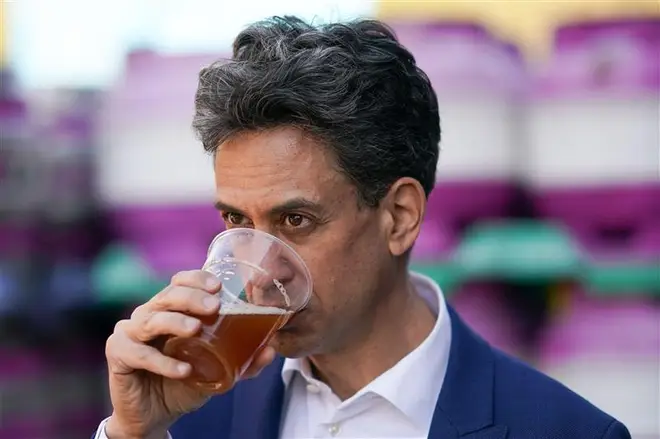
Ed Miliband, Secretary of State for Energy Security and Net Zero.
Picture:
Alamy
Mr Millband’s advice tool was trailed last year in a process overseen by tech firm Carbon Zero Services.
Participants of the trial included a pub in Bromley that cut its energy usage by 26%.
Mark Chapman, the firm’s chief executive, said: “When you put energy savings into real hospitality terms, the impact becomes very clear.
“Saving around £2,000 a year is the equivalent of the profit from selling thousands of pints or the breathing space that protects hard-won margins during quieter months.”
Ed Milliband’s department has claimed the taxpayer-funded carbon-reduction tool had already lower bills for those who took part in the trial by £48 a week.
Participants of the trial included a pub in Bromley that cut its energy usage by 26%. Over a year, that reduction will prevent nearly £2,500 of yearly profit being lost to energy waste.
Another smaller pub in Caterham, Surrey saw its overnight energy use fall by 66%, meaning savings of over £1,500 a year.
The Department for Energy Security and Net Zero is hoping to expand the trial to 525 additional firms.
It follows a 15% cut to new business rates for pubs, announced in January, that the department says will save the average pub an additional £1,650 in 2026/27.
Last week, business groups warned Mr Miliband that one in three businesses are set to renegotiate their energy contracts in April, leaving them in a scramble to secure deals as prices become increasingly precarious.

Pubs face challenges as energy costs soar.
Picture:
Alamy
Speaking to LBC over the weekend, Mr Milliband vowed that the Government will go “further and faster” in its drive to protect consumers and help ease costs.
“As the current Middle East conflict shows, we need to go further and faster to build the clean energy we need to get off volatile fossil fuel markets and deliver energy security for our country,” he said.
Labour claims it has taken action by working with the Competition and Markets Authority to “ensure that fuel suppliers cannot engage in unfair practices towards consumers such as price gouging.”
Mr Miliband added: “Global events demonstrate there’s not a moment to waste in our drive for clean power because there can be no energy security while we are so dependent on fossil fuels.”
Businesses, unlike homes, are not protected by energy regulator Ofgem’s price cap, which leaves them exposed to changes in wholesale costs.
A typical pub’s energy bill can vary between £650 a month to a significant £6,000, depending on the size of the venue and additional facilities, says business comparison site EnergyCosts.
Based on analysis of Nomis days, a rise of 30% in every pub’s energy bill would see the sector paying £169 million a year more in energy alone.
The British Beer and Pub Association said: “We are in close contact with members to understand the impact any price changes or supply chain disruption could have on their operations.”
Minister for Industry Chris McDonald said: “We’re extending support to help more businesses slash bills and protect Britain’s hospitality sector.
“Our pubs and restaurants are playing a leading role in cutting emissions, which is not only good for the planet but for cutting their costs too.“Alongside this, our clean power mission will protect businesses in the long-term.
“The conflict in the Middle East is yet another reminder that the only route to energy sovereignty is to end our dependence on fossil fuel markets we do not control and transition to clean homegrown power.”