
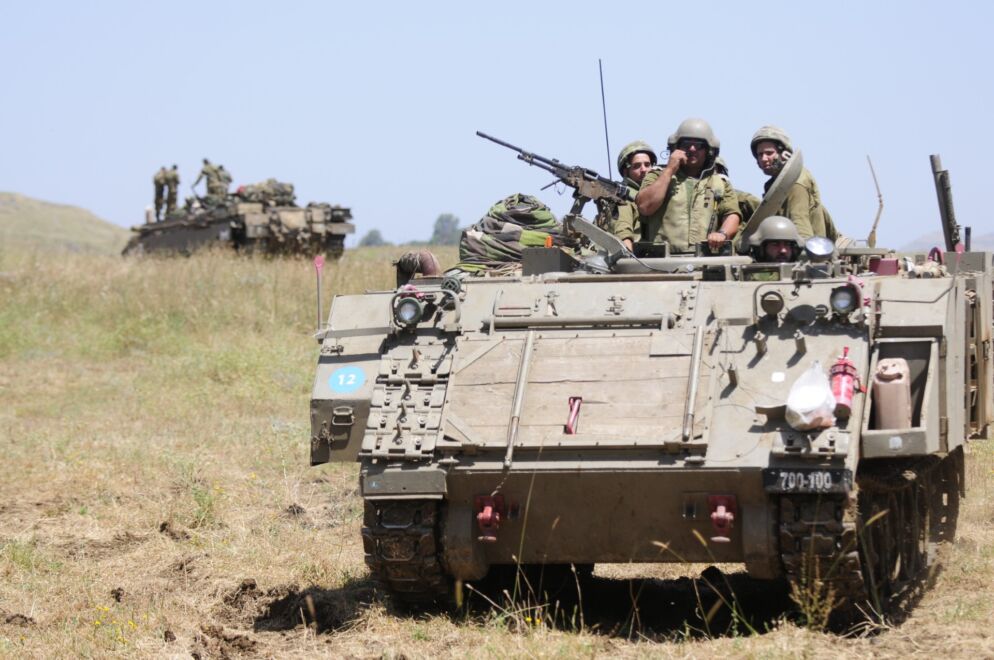
 The Israel Defense Forces’ combat engineering corps conducts a batallion drill. (Photo credit: wikicommons/Israel Defense Forces)
Israel today is a nation at war. Sirens sound across the country. Families race to shelters as missiles arrive from Iran and Hezbollah. Reservists are called up again and again, leaving their jobs, their studies and their families to defend the country.
In moments like this, a society discovers what it truly believes about citizenship and obligation. Which is why the continuing refusal to draft large numbers of ultra-Orthodox men into the Israel Defense Forces has become not just a political controversy, but a profound moral failure.
Facing severe manpower shortages after more than two years of sustained conflict, the IDF recently issued a directive laying out structured pathways for drafting ultra-Orthodox soldiers. The order is imperfect and controversial. Some of its provisions — particularly those that could sideline female soldiers or secular personnel — raise legitimate concerns about equality within the ranks. But whatever its flaws, the military is trying to solve a real problem. Israel needs more soldiers.
The government, however, is moving in the opposite direction.
At the very moment the army is attempting to widen the gate to service, the governing coalition continues to push legislation designed to preserve mass exemptions for ultra-Orthodox men. Instead of enforcing enlistment, the proposed law would entrench draft avoidance, impose no meaningful sanctions and protect the institutions that facilitate it.
The contrast is stark. The army is trying to defend the country. The political system is trying to defend the exemption. And the cost of that contradiction is borne by the same Israelis over and over again.
The IDF faces a shortfall of roughly 12,000 soldiers — most of them in combat and combat-support roles. Reservists have already served months on end since Oct. 7, some returning to the battlefield multiple times. Young conscripts face extended service. Women are stepping into more operational roles across the military.
They are doing so because the country needs them. Meanwhile, an entire sector of Israeli society remains largely absent from this shared burden.
At a time when missiles are falling on Israeli cities and soldiers are fighting on multiple fronts, that absence is becoming harder for the rest of the country to accept.
Israel has long tolerated a fragile compromise with the ultra-Orthodox community over military service. But compromises depend on circumstances. When the nation faces existential threats and asks its sons and daughters to risk their lives, the expectation of shared sacrifice cannot simply be suspended. This is not about punishing the ultra-Orthodox or forcing cultural assimilation. The IDF has shown that it is willing to create frameworks that allow religious soldiers to maintain their way of life while serving the country.
What it cannot do — what no army can do — is defend a country while a growing share of its citizens remains outside the system of national obligation.
War has a way of clarifying priorities. It strips away political evasions and exposes the core question beneath them. In Israel today, that question is simple: When the country is under fire, who stands up to defend it?
The army has taken a step forward. The government must stop stepping back.