
I walk the streets of Jerusalem with a smile plastered on my face.
It’s not because life in Israel is easy. It isn’t. Sirens interrupt conversations and sleep. Flights are canceled without warning. The news cycle delivers more anxiety than comfort. And yet—if you spend even a short time in the country—you sense something deeper, something almost paradoxical.
Israel is, as the latest global happiness survey confirms, one of the happiest places on earth.
At first glance, that makes no sense. How can a country at war, facing daily threats, rank eighth in global happiness—higher than the United States, the United Kingdom, or France?
But if you walk these streets, you begin to understand.
Happiness here is not the absence of hardship. It is the presence of meaning. This is not the kind of happiness that can be engineered, packaged, and sold with a park ticket. It isn’t curated or choreographed. It is earned, lived, and, at times, fought for.
In Jerusalem, history is not something you read about—it’s something you live inside. Every stone tells a story. Every alleyway echoes with memory. For those of us who believe in the unfolding of Biblical prophecy, there is an added dimension: the quiet, constant awareness that we are witnessing something our ancestors only dreamed of.
That sense of purpose changes everything.
It is reinforced every Friday night, when across this country—religious and secular alike—families gather around Shabbat tables. It is found in the deep bonds between friends, neighbors, and even strangers. It is visible in the way Israelis show up for one another in times of crisis, without hesitation and without being asked.
This is not theoretical happiness. It is lived experience.
The study highlights what anyone who spends time here quickly realizes: Israelis have strong family ties, a powerful sense of community, and a shared understanding that life carries responsibility. Young people, barely out of high school, make decisions and shoulder burdens far beyond their years. They serve, they lead, they grow up fast—and in doing so, they become grounded in something larger than themselves.
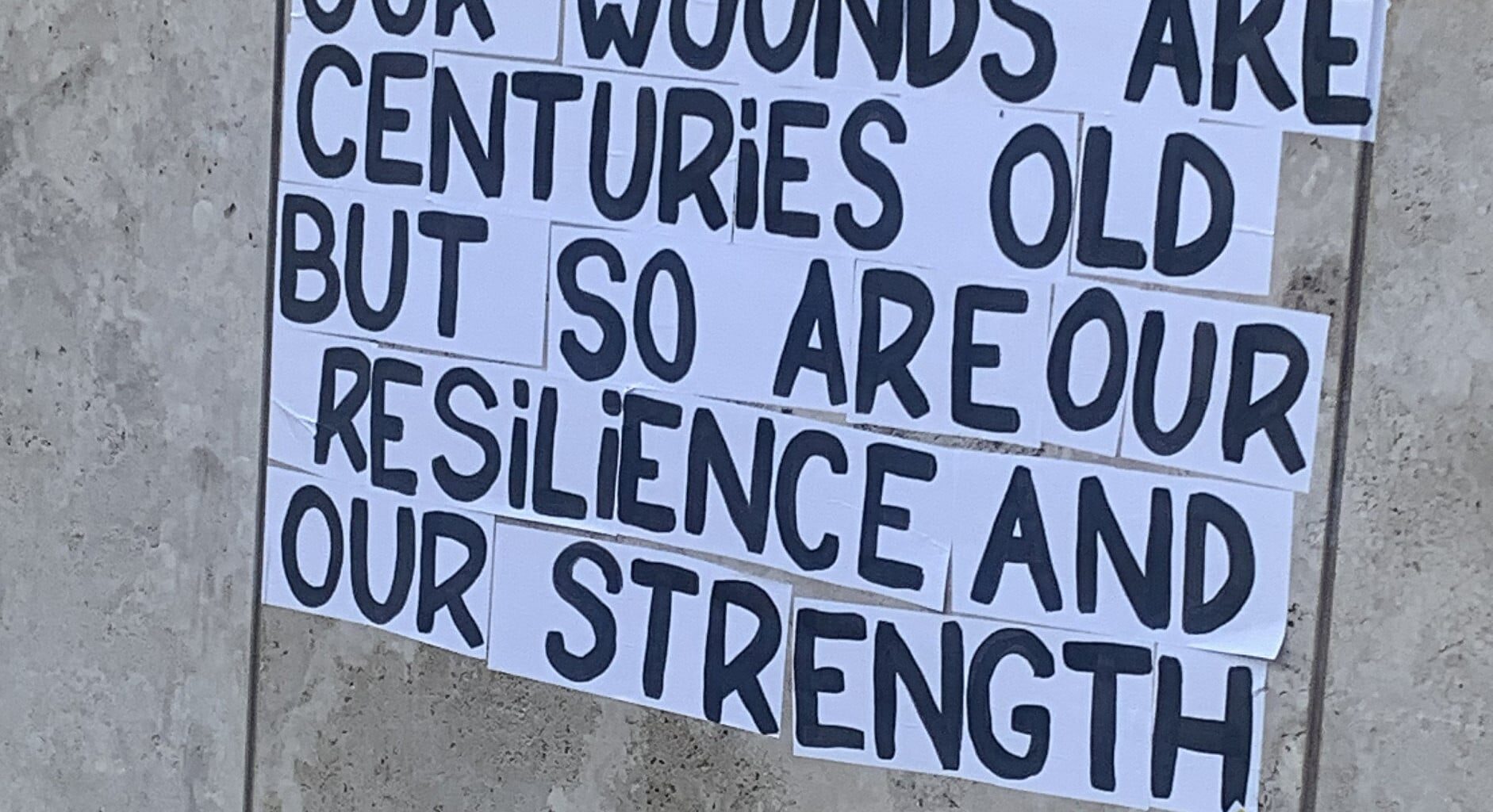
That grounding produces resilience.
But let’s be honest: this happiness exists alongside real pain. The same report notes rising levels of stress, sadness, and anxiety. No one here is immune to the emotional toll of war. You see it in tired eyes, in quiet moments, in the collective weight the country carries.
And yet, the deeper measure—the way people evaluate their lives—remains remarkably strong.
That’s the difference.
In much of the Western world, happiness is often tied to comfort, convenience, and personal ease. In Israel, it is tied to belonging, purpose, and continuity. It is rooted in the knowledge that you are part of a story that began long before you—and will continue long after you.
That is why I walk these streets with a smile.
It’s not because everything is good.
It’s because, here in Israel, everything matters.
And that, more than anything, may be the truest form of happiness.
Stephen M. Flatow is president of the Religious Zionists of America- Mizrachi (not affiliated with any Israeli or American political party) and the father of Alisa Flatow who was murdered by Iranian sponsored Palestinian terrorists in April 1995. He is the author of “A Father’s Story: My Fight For Justice Against Iranian Terror” now available on Amazon in an expanded paperback edition, and the proud grandparent of 16 and great-grandparent of Avigayil Ora, the Duchess, and Esther Pesya, the Countess. This blog will be sometimes serious, sometimes light, but I hope always interesting.