

Sir Keir Starmer has been told that he may have to “rethink” the government’s borrowing rules to fund a potential cost of living bailout amid mounting concern about the affect of the Iran war on household finances.
The Times has been told that there was a discussion about the government’s fiscal rules at Cabinet on Tuesday. Lisa Nandy, the culture secretary, suggested that they may need to be reconsidered if prices continue to rise and a major package of support is needed.
Nandy, who is aligned with the soft left of the Labour Party, has become the first member of the Cabinet to suggest that the government’s fiscal rules may need to be relaxed in response to the crisis.
 Lisa Nandy, the culture secretary Lucy North/PA
Ministers are increasingly concerned that the conflict in the Middle East will lead to long-term economic scarring and push up the cost of food, heating and mortgage payments for millions of families. The cost of food is expected to rise particularly sharply as a result of fertiliser shortages and the impact of increased transport costs.
Economists yesterday warned that inflation was likely to rise to 3.5 per cent this month and would remain high until the autumn. The Bank of England is now expected to raise interest rates from current levels of 3.75 per cent to 4.5 per cent before the end of the year.
As a result banks pulled mortgage deals from the market to re-price them at a higher rate.
There were 6,888 residential mortgages on the market on Thursday, the lowest in more than seven months, down from 7,500 at the beginning of the month.
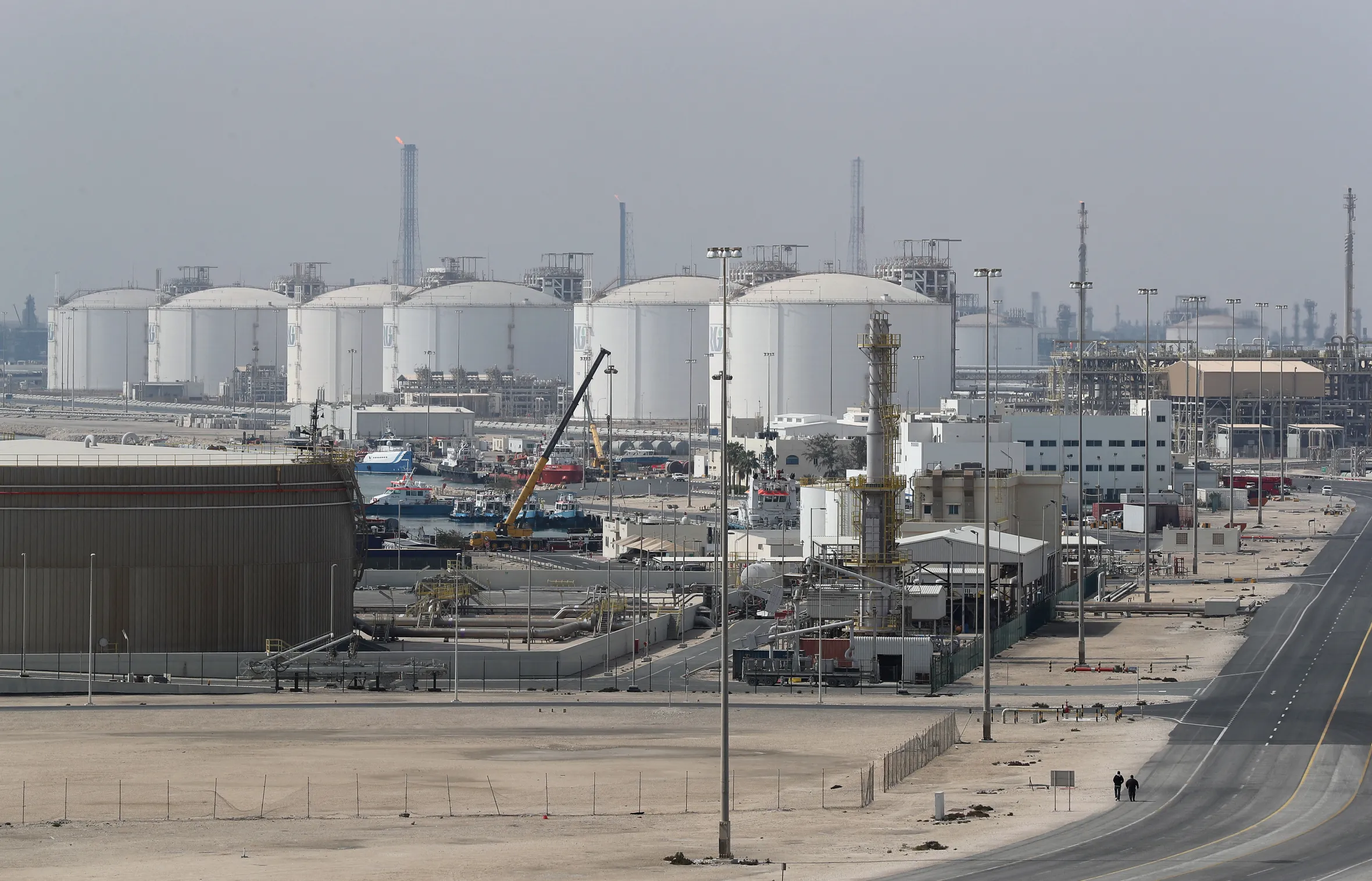 Iran struck Qatar’s Ras Laffan gas complexKARIM JAAFAR/AFP
Stock markets also tumbled after Iran struck Qatar’s Ras Laffan gas complex, which normally produces a fifth of the world’s liquefied natural gas. It triggered a further surge in energy prices. The attack was in response to an Israeli strike on Iranian energy fields.
Rachel Reeves, the chancellor, is weighing up a range of options to help people with rising bills, ranging from “targeted” support for the poorest households to a universal package if energy prices rise more significantly.
In the wake of Russia’s invasion of Ukraine the then Conservative government unveiled a £40 billion package of support to shield people from the bulk of the rises in energy prices.
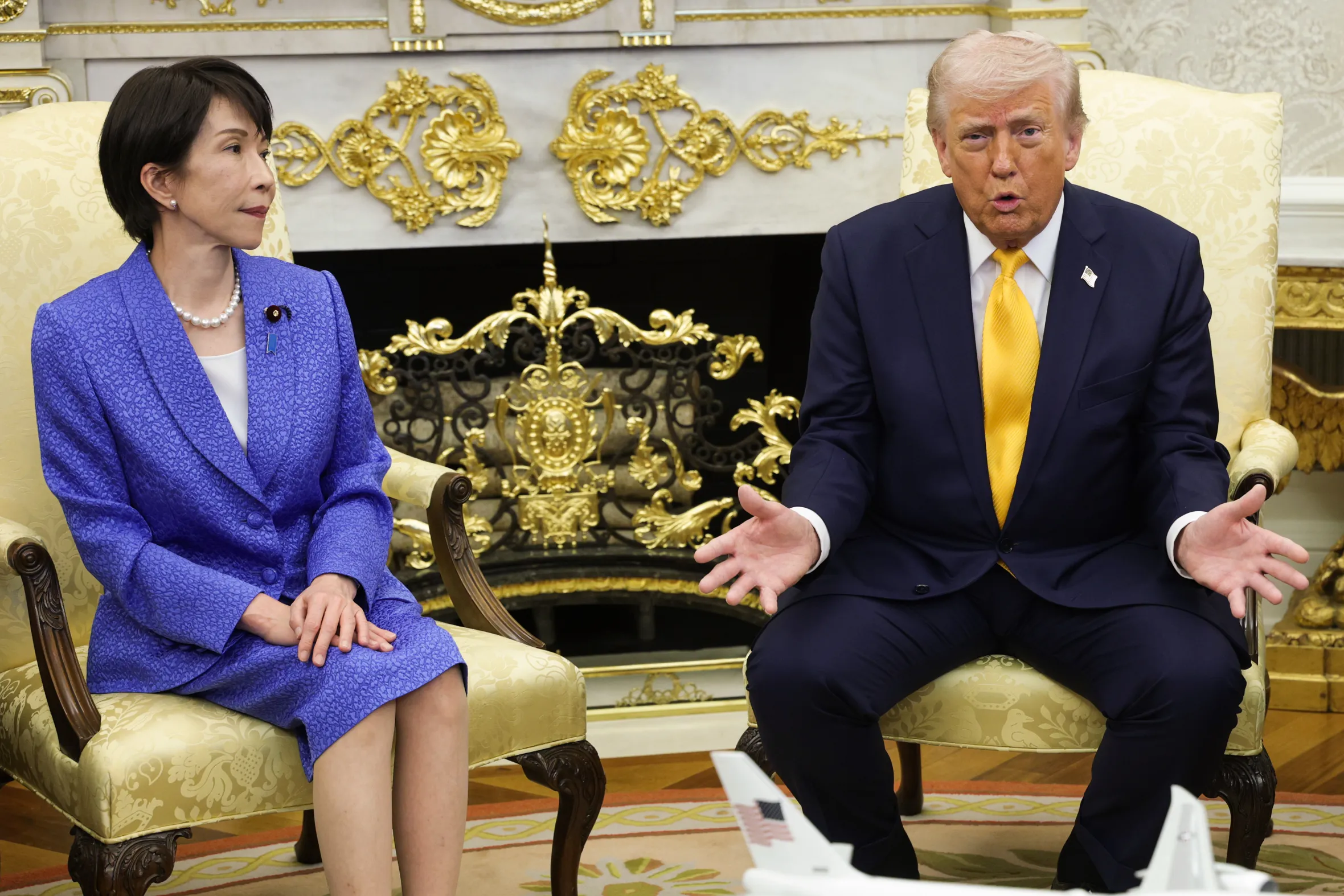 President Trump invoked Japan’s attack on the US at Pearl Harbor during a meeting with its prime ministerAlex Wong/Getty
The Treasury said that the government stands by its “iron-clad” fiscal rules.
Paul Johnson, the former head of the Institute for Fiscal Studies, said: “If this does not de-escalate quickly then energy prices are going to be much higher than we have got used to over the last couple of years. That will hit households directly and hold back the entire world economy. It’s an economic shock.
“There are two reasons you might need to relax the borrowing rules. One is that you might need to spend a lot of money up front. But the bigger issue may well be that you have a combination of that and a smaller economy than was expected in two to three years.”
He said that the failure to get debt down during “normal economic times” had left Britain less prepared for economic shocks. “The net result is that debt ratchets ever upward, costs of servicing debt rise and it becomes even more costly to respond to economic shocks.”
The government’s fiscal rules state that debt must fall as a proportion of GDP by 2029-30 and that day-to-day costs must be met by revenues in the same timeframe.
Andrew Bailey, the governor of the Bank of England, said that the government “must respond” if there is a lasting crisis triggered by the war in Iran.
He added that “the recent experience of high inflation may also make households and businesses more sensitive to a new inflationary shock”.
David Rees, the head of global economics at Schroders, said: “The current levels of oil and gas prices are already enough to add around one per cent to headline inflation in the coming months, while shortages of fertilisers could push food inflation higher later in the year.”
Meanwhile the crisis also pushed up the cost of government borrowing to the highest level since 2008.
In market moves reminiscent of the crisis seen after Liz Truss’s mini-budget four years ago, short-term UK yields shot up nearly 0.40 percentage points to 4.48 per cent and the yield on the benchmark ten-year bond jumped by 0.17 percentage points to 4.9 per cent.
The rises will increase the amount the government has to pay to service the UK’s debt, making it harder for Reeves to find the money to help families with energy bills without breaking her fiscal rules.