
Ontario is moving to outlaw the resale of tickets for more than their original value, following through on legislation that was promised.
Ontario is moving to outlaw the resale of tickets for more than their original value, following through on legislation that was promised after a string of in-demand events in Toronto saw ticket resale prices skyrocket out of reach for many.
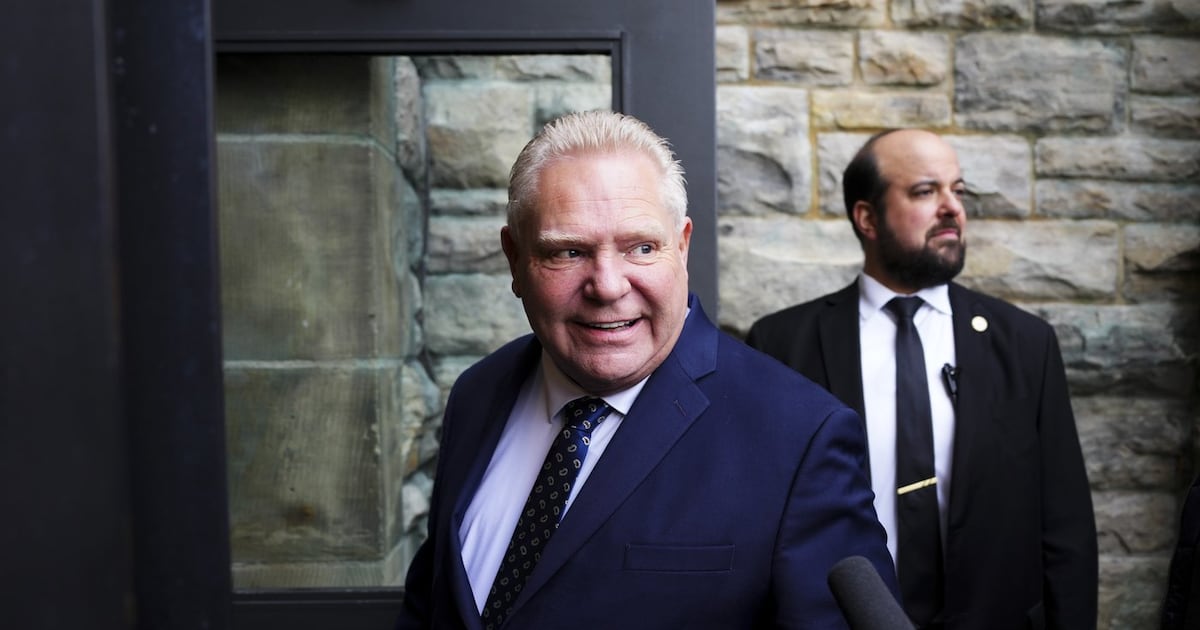
“We’re putting ticket scalpers on notice: Your days of ripping people off are done,” Premier Doug Ford said in a post on X Friday.
Proposed changes to the Tickets Sales Act of 2017 would make it illegal for tickets to concerts, cultural, sports and other live events in Ontario to be re-sold for more than their original cost, the province said in a release.
The original costs would refer to the all-in price originally paid to the primary seller, plus any fees, service charges or applicable taxes charged on the resale.
At the same time, the government says it is looking at strengthening “validity guarantee requirements” to protect against the sale of fake tickets and to create new powers that could be used to stop unfair service charges and fees during the purchasing process.
The ministry says it is eyeing penalties of up to $10,000 for ticket businesses that break the new rules.
Jays and Taylor Swift highlighted problem
Last year Blue Jays fans balked as they saw World Series tickets sell out in moments, only to be instantly posted for resale on Ticketmaster and resale sites for many times their face value. Tickets for the final games of the World Series at Rogers Centre were resold for tens of thousands of dollars. But even the cheapest seats in the house – standing room only – were reselling for close to $2,000 a piece.
Fans vying to get their hands on Taylor Swift tickets the previous summer were met with a similar experience, causing many fans to cry foul on Ticketmaster’s resale policies.
For its part, Ticketmaster has said it does not set prices, nor does any one person or entity.
“The resale prices are set by numerous small sellers,” the company told CP24 back in October.
However it has complied with laws passed in other jurisdictions like Australia and the U.K. that forbid ticket reselling for unlimited prices.
In 2019, the Ford government scrapped a law that would have capped ticket resale prices at 50 per cent above the original face value, calling it “unenforceable.”
But in light of the outcry around World Series ticket gouging, Ford promised in October the province would take another look.
“We are taking action to help ensure Ontario fans have access to fair resale prices and are not exploited by price gouging when they buy resale tickets for their favourite events,” Minister of Public and Business Service Delivery and Procurement Stephen Crawford said in a statement.
“With these new measures, consumers would no longer need to worry about being ripped-off in the ticket resale market, and more families and fans would have the opportunity to see their favourite band or sports team perform live.”
The announcement comes just as MPPs prepare to return to Queen’s Park on Monday for a new legislative session following their winter break, which started in December.
The province says the changes to the legislation will be introduced in the coming days and will be included in the budget, which is set to be released March 26.
The government did not say exactly when the resale cap will come into effect, but that once it does, it will apply to all ticket resales going forward.
Ticket companies respond
Live Nation Entertainment, the company that owns Ticketmaster, said it supports the changes.
“We are in favour of measures that promote fair, transparent ticketing and curb exploitative resale practices,” a spokesperson for the company said in an email.
“We welcome ongoing conversations with the government to continue safeguarding artists and fans while keeping live events accessible.”
However ticket resale website SeatGeek warned the move could make tickets more expensive.
“SeatGeek shares the Ontario government’s concern for fans who want affordable access to live events. But price controls on ticket resale, while well-intentioned, only make things worse for the very fans they’re designed to protect,” Joe Freeman, the company’s VP of corporate affairs, said in a statement.
“Controls won’t eliminate consumer demand — they shift costs in ways that are harder to see, whether through higher base prices or fees buried elsewhere in the transaction.”
He warned the move would consolidate power in the hands of dominant players like Live Nation and that resale markets would not disappear, but would “migrate away from transparent, regulated platforms and into informal channels where consumers have no recourse if something goes wrong.”
He said laws to promote competition among trusted ticket sellers would be a better way to bring down prices for consumers.