
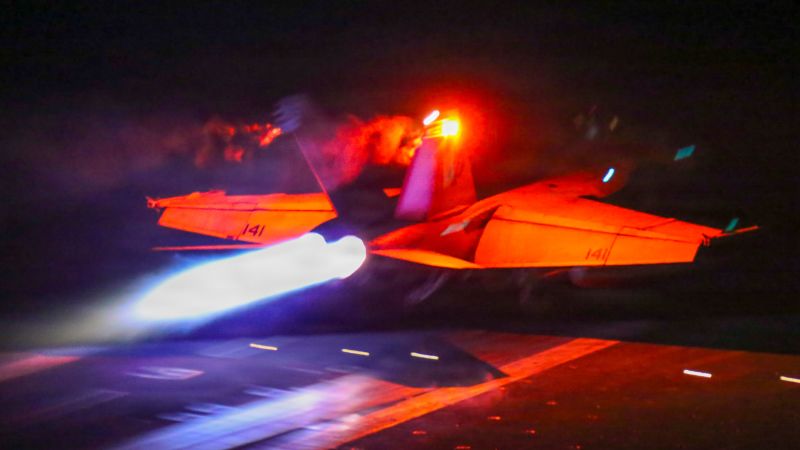
In near-daily briefings with top military officials at the White House, President Donald Trump has reviewed options that include sending American troops into Iran.
The decision whether to go ahead is perhaps his most difficult of the war since US strikes began February 28.
For many Trump allies in Washington, the deployment of thousands of US troops to the Middle East would mean the swift end of their public support for the war— and likely threaten the administration’s ability to deliver the hundreds of billions of dollars in supplemental funding the White House will soon seek.
But for Trump, fully realizing his objectives and mitigating the war’s fallout could require sending in American troops, a legacy-defining endeavor the president — while not ruling it out — tried to downplay this week.
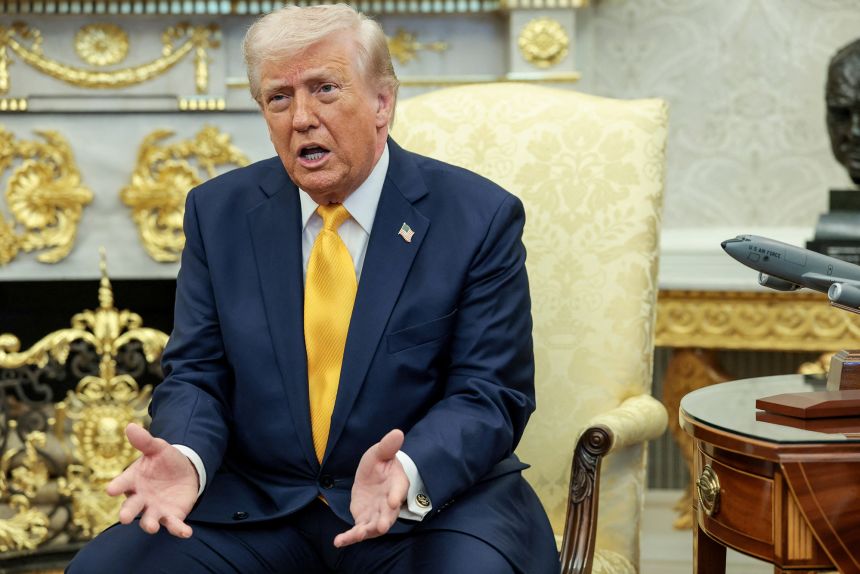
“I’m not putting troops anywhere,” Trump said Thursday in the Oval Office. “If I were, I certainly wouldn’t tell you.”
As Trump’s war in Iran enters its fourth week, pressure is mounting for a better picture of how the conflict will conclude. The economic repercussions have led many of Trump’s Republican allies, staring down a tough political road to the midterm elections in November, to urge him to find a way out.
Exactly how that happens is still largely unknown. Trump appeared to tacitly acknowledge the misgivings about his endgame on Friday evening when he said he would “consider winding down” the war soon, even as new Marine units were headed toward the region.
According to the timeline Trump and his advisers have offered publicly, the four-week mark — which arrives next Saturday — opens the window for the planned ending point to the military campaign. Trump has declared the mission “ahead of schedule” and suggested it would be over more quickly than anyone realizes.
But a week out from that target, the ambitious goals he set at the start of the war remain a work in progress, even as the after-effects of the war continue to cascade and its price tag —both in dollars and lives — continues to rise.
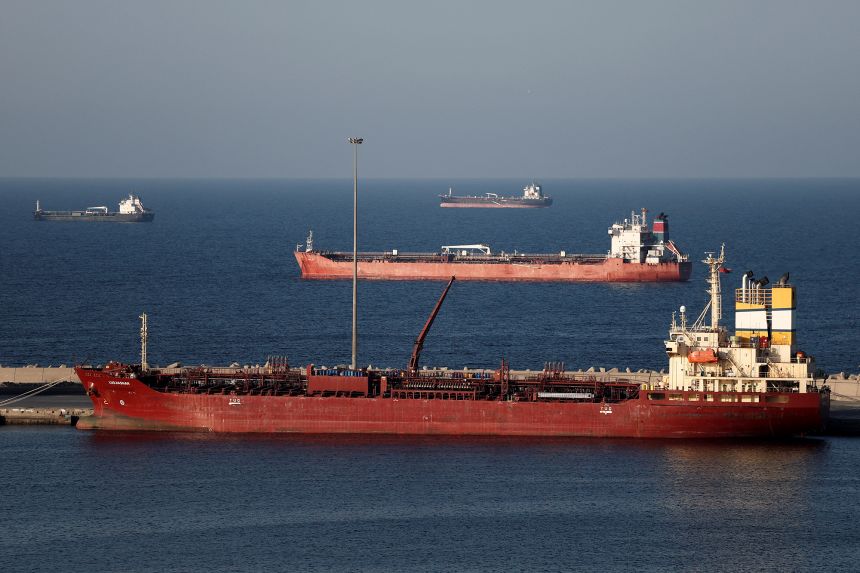
Iran’s decision to close the Strait of Hormuz has sent economic shockwaves around the world and led to criticisms that Trump’s decision to attack Iran wasn’t fully thought through.
US officials are furiously trying to avert a potential monthslong closure. They privately acknowledge that reopening the key waterway is a problem without a clear solution— and dependent at least in part on what lengths Trump is willing to go to force the Iranian regime’s hand, multiple administration and intelligence officials told CNN.
There is also a growing divergence between US and Israeli objectives, raising questions over the endgame each country envisions. Behind closed doors, Israel understands Trump’s political timeline is considerably shorter than the one Israel’s Prime Minister Benjamin Netanyahu has for ending the conflict.
“There’s no doubt that his political clock is shorter and sharper than ours,” one Israeli official told CNN of Trump. “The moment he decides to stop, he’ll stop, say, ‘We won,’ and that’s it.”
The Israeli system is preparing for the possibility that it “could all end in an instant,” the official said.
Trump told CNN on Friday he believed Israel would be ready to end the war when he was.
“I think so,” he said, adding: “We want more or less similar things. We want victory, both of us. And that’s what we’ve got.”
Declare victory and move on
As the conflict widens, Trump has bristled this week at what he sees as negative media coverage of the operation’s successes, decrying news stories he believes accentuate the war’s costs.
And he lashed out this week at NATO allies he deemed insufficiently enthusiastic about joining an effort to patrol the Strait of Hormuz, declaring after a short-lived attempt at coalition building that he didn’t actually need anyone’s help.
“I have never heard him so angry in my life,” Sen. Lindsey Graham, a top proponent of the war in Iran, wrote on social media.
Many GOP lawmakers have told CNN they’ve been so far satisfied with the administration’s secret briefings. But several of them said Trump and his team will soon need to go public with their strategy — or risk backlash from their own voters.
“All along, we’ve been assured that we wouldn’t have a situation where we would have any significant number of troops on the ground,” New Jersey Rep. Jeff Van Drew, a Republican who frequently speaks with Trump, told CNN, adding that US boots on the ground would be his breaking point. “The president has assured us that it won’t. And I’m going to take him at his word, obviously. But we don’t want endless wars.”
While Trump continues to weigh potential options that would include sending US troops into Iran, he has also been speaking regularly to Republican allies who have encouraged him to take a different approach: declare victory and move on, according to one source familiar with those conversations.
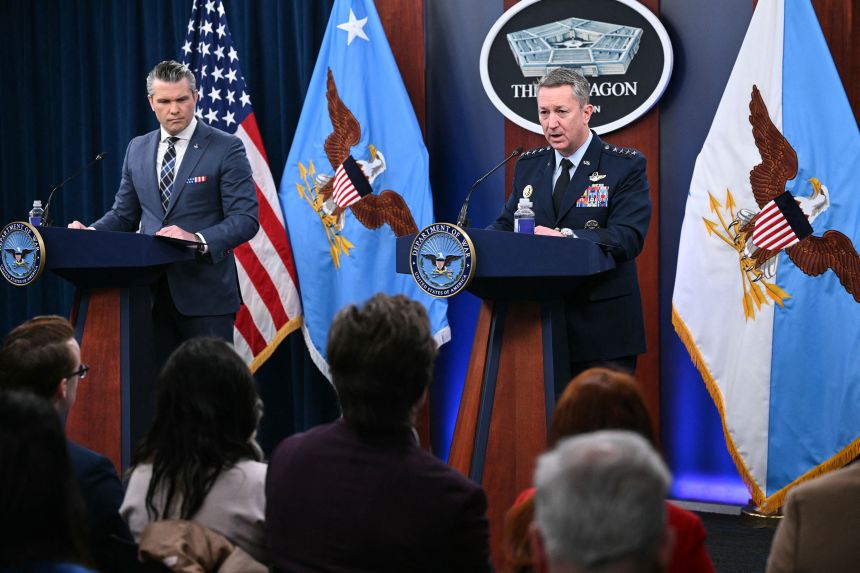
Some prominent Hill Republicans have told Trump he could reasonably frame the war as a success once the military accomplishes the objectives Joint Chiefs Chairman Gen. Dan Caine has outlined during recent Pentagon press briefings: destroying Iran’s navy, missile capability and industrial base.
While that scenario would not completely neutralize threats related to Iran’s nuclear ambitions and proxy forces, some Trump allies believe the alternative of escalating the conflict and putting US boots on the ground is a recipe for disaster, the source added.
“It’s the job of the Pentagon to make preparations in order to give the Commander in Chief maximum optionality,” White House press secretary Karoline Leavitt said in a statement. “It does not mean the President has made a decision, and as the President said in the Oval Office yesterday, he is not planning to send ground troops anywhere at this time.”
The US and Israel have found significant success in wiping out Iran’s missile and drone arsenals, and have sunk most of its naval vessels, according to Trump. Defense Secretary Pete Hegseth said Thursday the US had struck more than 7,000 targets in Iran.
But a principal objective, the one Trump cites most often as the reason for the war, is so far unrealized: that Iran no longer have the capability to build a nuclear weapon. Its highly enriched nuclear fuel remains buried deep underground, and Iranian expertise at creating it is still alive.
“The fundamental advantage Iran has is that knowledge can’t be bombed away,” said a European diplomat. “They have a lot of very bright scientists who’ve been paid for by the government to do nothing else but work on the nuclear file for decades,” said a European diplomat. “There is a bedrock of knowledge that cannot be taken out with B-2s.”
There are signs the administration is preparing for all contingencies, even though Trump has yet to make a decision on sending troops into Iran.
Thousands more US Marines and sailors are heading towards the Middle East. The 11th Marine Expeditionary Unit and Boxer Amphibious Ready Group have had their deployment rerouted and accelerated and are now expected to go to the Middle East, two US officials told CNN.
Among the operations that officials have weighed privately: capturing Iran’s Kharg Island — an economic lifeline for Iran that handles roughly 90% of the country’s crude exports — or effectively wiping out the island’s oil infrastructure. The US has been striking military infrastructure on the island, which is viewed inside the administration as a key leverage point that could potentially force Iran’s submission to agree to reopening the Strait.
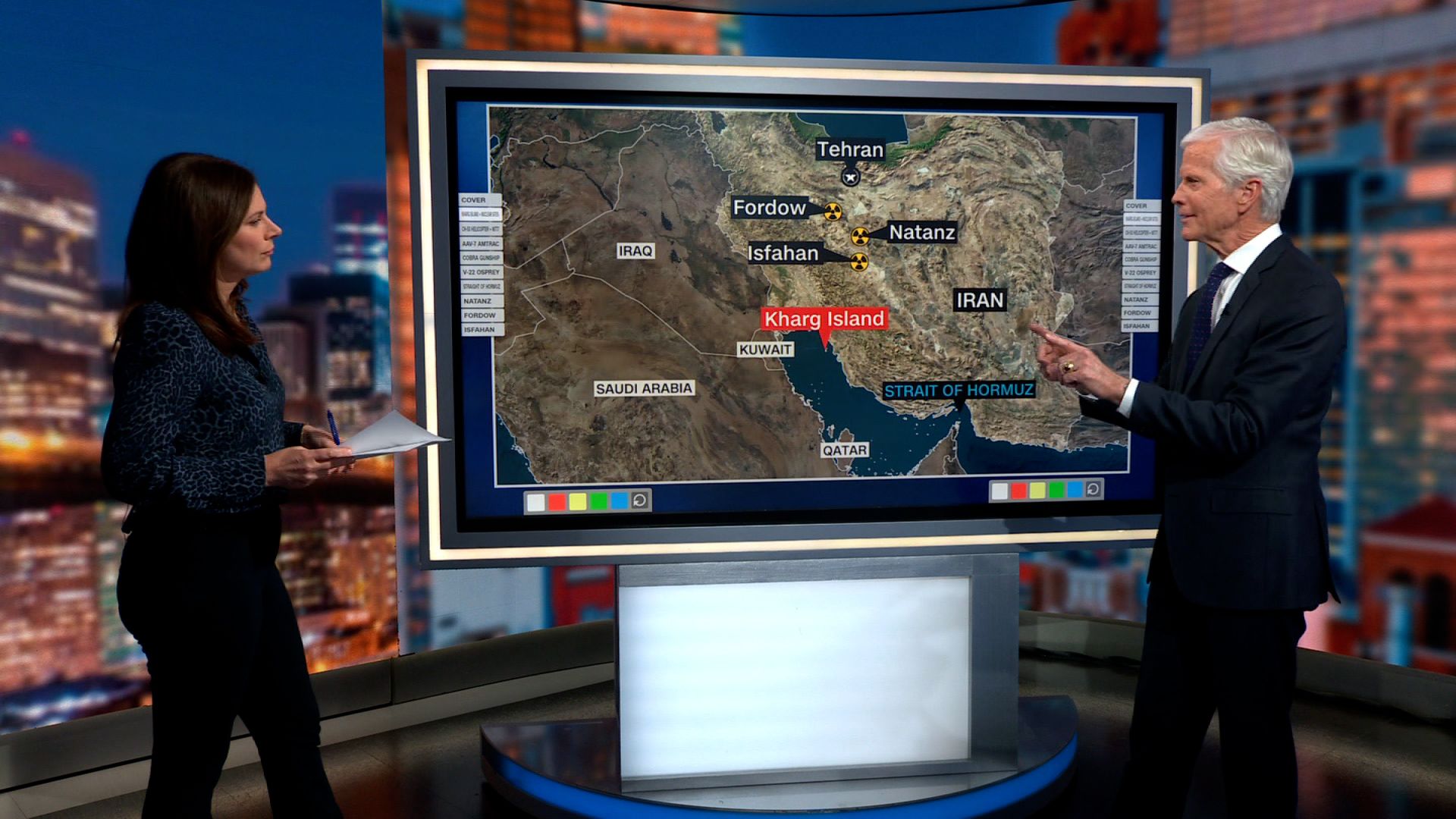
What would U.S. troops on the ground in Iran look like?

What would U.S. troops on the ground in Iran look like?
6:19
“[The attack on] Kharg Island was a signal, but the question is what is [the president] willing to do to make the Iranians go, ‘This is no longer in our interest to keep this as a chokepoint.’ Because that’s what it’s going to take,” a US intelligence official told CNN.
White House officials believe taking Kharg Island would “totally bankrupt” Iran’s Islamic Revolutionary Guard Corps, one official said, and could potentially lead to a swift end of the war. But many inside the administration are wary of such a move, particularly given it would require a significant number of ground troops to achieve.
A separate ground operation to seize Iran’s enriched uranium could potentially be even riskier. The canisters of enriched uranium, which Tehran could potentially use to build a nuclear bomb, are believed to be buried underneath rubble left behind after the US bombed Iran’s nuclear sites last June.
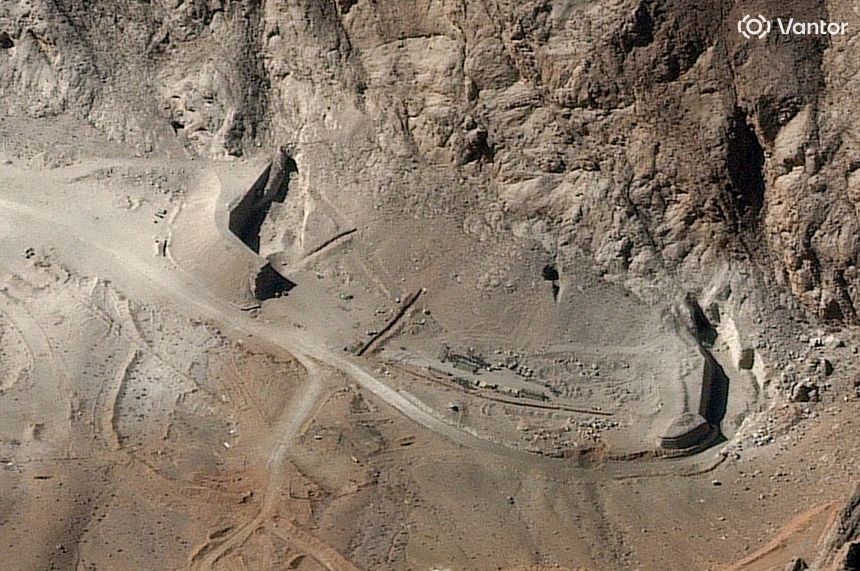
Any mission to retrieve the buried uranium would be incredibly dangerous. Visiting Washington this week, International Atomic Energy Agency chief Rafael Grossi said the “barrels and cylinders” of material could “theoretically” be moved. However, “if there was a direct hit” during military operations, it would risk contamination, he said.
The question of sending ground troops into Iran has rattled some Republicans.
Wisconsin GOP Rep. Derrick Van Orden, a former Navy SEAL, told CNN he has specifically advised the administration against any boots on the ground: “I don’t want to see it.”
“I think we need to find an exit strategy as fast as possible,” added Rep. Tim Burchett of Tennessee. “I don’t want to put Americans on the ground out there in any shape, form or fashion.”
GOP Rep. Mike Flood, who stood at Dover Air Force Base in Delaware earlier this month at the dignified transfer of six fallen soldiers who were killed in Kuwait, including a sergeant from his state, said he doesn’t “want families to go through that” and hopes the war is nearly over.
“Everybody wants this over,” Flood said.
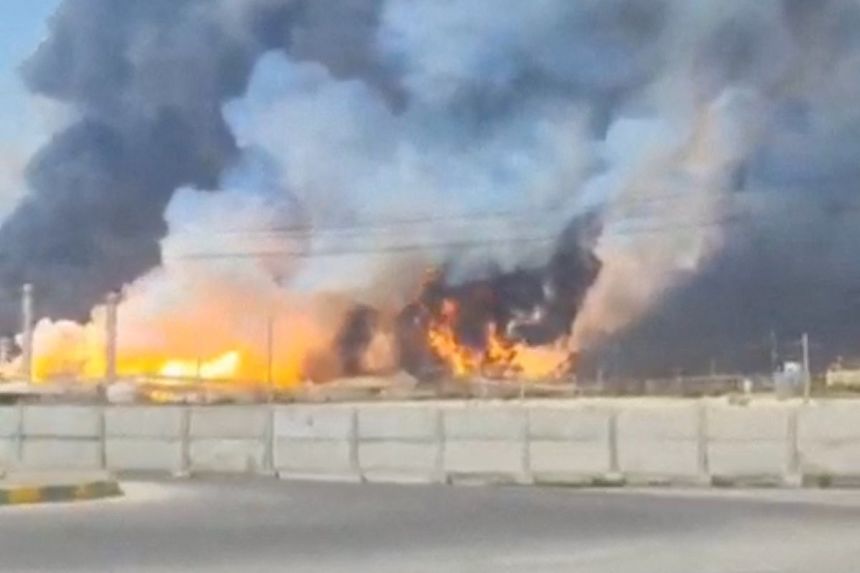
When Trump first heard about Israeli plans to strike Iran’s critical South Pars gas field this week, it did not immediately raise any alarm bells. Instead, US officials viewed the attack as a way to pressure Iran to reopen the Strait of Hormuz, according to people familiar with the plans.
It was only after — as Iran was retaliating with strikes on a natural gas facility in Qatar — that Trump claimed the United States “knew nothing about this particular attack.”
By the next morning, Trump said he’d issued a warning to Netanyahu against further strikes on Iran’s energy facilities.
“It’s coordinated,” Trump said in the Oval Office. “But on occasion he’ll do something, and if I don’t like it. And so we’re not doing that anymore.”
Trump and Netanyahu have spoken nearly every day since the war began. While the Trump administration has tried to set specific military goals for the war, Netanyahu’s objectives appear far more open-ended, as Israel assassinates a growing list of Tehran’s top leaders.
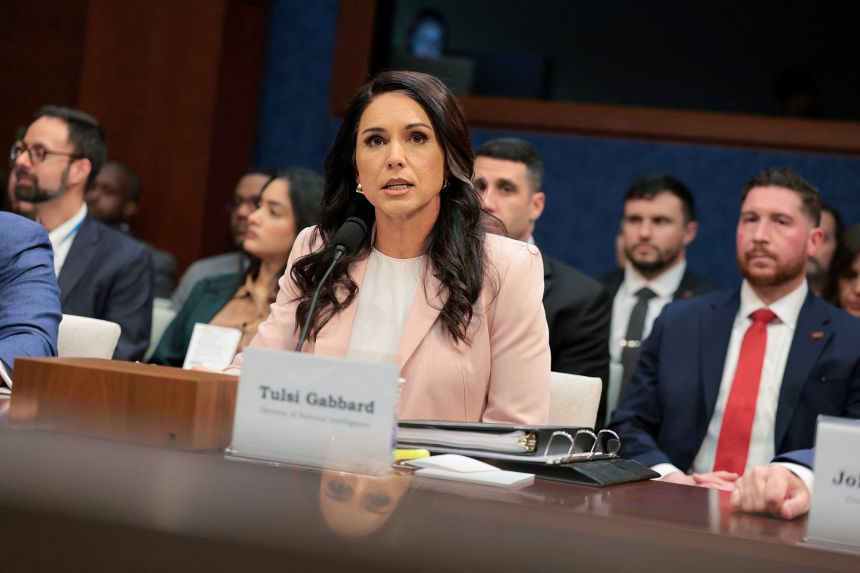
In testimony to Congress this week, Director of National Intelligence Tulsi Gabbard acknowledged the objectives laid out by the US and Israeli governments for the war in Iran “are different,” adding that she does not know if Israel would support making a deal with Iran.
“We can see through the operations that the Israeli government has been focused on disabling the Iranian leadership,” Gabbard said at the House Intelligence Committee’s Worldwide Threats hearing Thursday.
Several Western officials told CNN they believed Israel’s targets so far speak to a strategy of causing the state of Iran to collapse by strangling its financial lifelines and toppling its leadership structures. That appears different from Trump’s narrow set of military objectives.
Trump has also worried that attacks on Iran’s energy infrastructure could cause further spikes in energy costs. And he’s said that images of burning oil fields in Iran will only remind Americans that the war is causing gas prices to rise.
“No doubt there are phenomenal operational achievements,” said one former senior Israeli security official. “But to paraphrase politics, ‘It’s the strategy, stupid.’”
“Iran isn’t Gaza. It’s a giant state with endless leadership and command reserves. Toppling the regime could take months or years,” the former official went on. “There’s a risk that today’s gains will fade soon.”
Part of the challenge, said another former senior Israeli official, is that neither the US nor Israel have planned for different leadership in Iran.
“The CIA and Mossad haven’t truly invested in this over the past 15-20 years. It was secondary to other priorities,” the former official told CNN. “In prioritizing nuclear, missiles, Iran, Hezbollah, or regime change, other goals took precedence.”
In an article in the Economist this week, Oman’s Foreign Minister – who served as negotiator in the now-scuttled talks – argued that “America has lost control of its own foreign policy.”
“It should now be clear that for Israel to achieve its stated objective will require a long military campaign to which America would have to commit troops on the ground, opening a new front in the forever wars which President Donald Trump previously vowed to end. This is not what America’s government wants. Nor do its people, who certainly do not see this as their war,” Badr Albusaidi wrote.
An increasing concern among many American allies is that a future Iranian regime will make efforts to sprint towards developing a nuclear weapon because they view the ongoing military campaign as a threat to their existence, sources told CNN.
Even if Trump decides to send ground troops into Iran to remove the highly enriched uranium, the knowledge to develop a future nuclear program would likely remain.
US allies have advocated against such a ground operation, sources said. Still, Trump’s own thinking on the topic remains murky.
Whether or not US ground troops are sent into Iran, the Iranian regime’s potential decision to kickstart operations to develop a nuclear weapon after the war concludes is weighing heavily on US allies.
“After all of this, why wouldn’t they sprint towards a nuclear bomb?” said a regional diplomat of the Iranian regime. “That was a concern we had even before the US launched this war.”
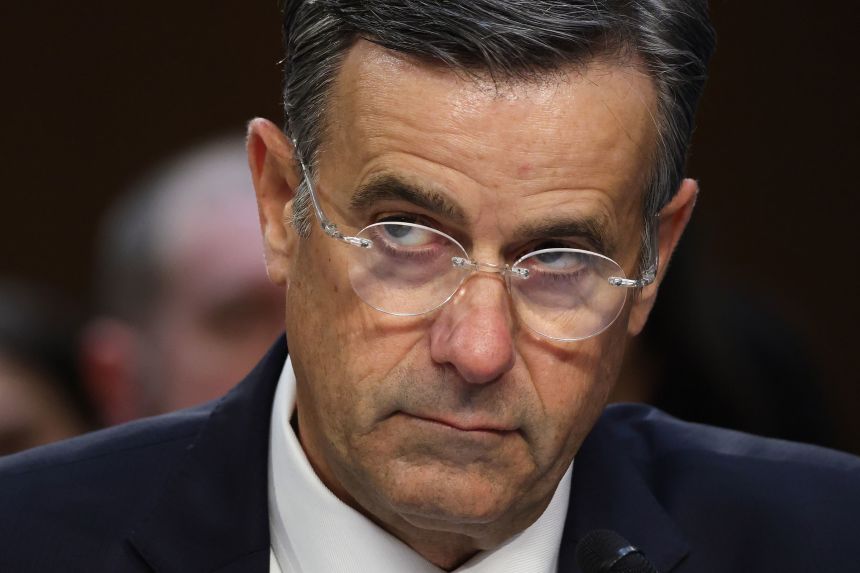
In his own congressional testimony this week, CIA director John Ratcliffe said Iran has the same amount of enriched uranium today as it did before Operation Midnight Hammer, the US bombing run in June. Gabbard said in her prepared remarks there have been no Iranian efforts since those strikes to rebuild uranium enrichment operations.
“The entrances to the underground facilities that were bombed have been buried and shuttered with cement. We continue to monitor for any early indicators on what position the current or any new leadership in Iran will take with regard to authorizing a nuclear weapons program,” Gabbard wrote in her prepared remarks.
Those remarks — which appeared to downplay the possibility Iran posed any imminent nuclear threat to the US or its allies before the strikes began 21 days ago — were left out of the statement Gabbard delivered in person.
Asked about the omission, she chalked it up to an issue of time.
CNN’s Jennifer Hansler contributed to this report.