
What to know
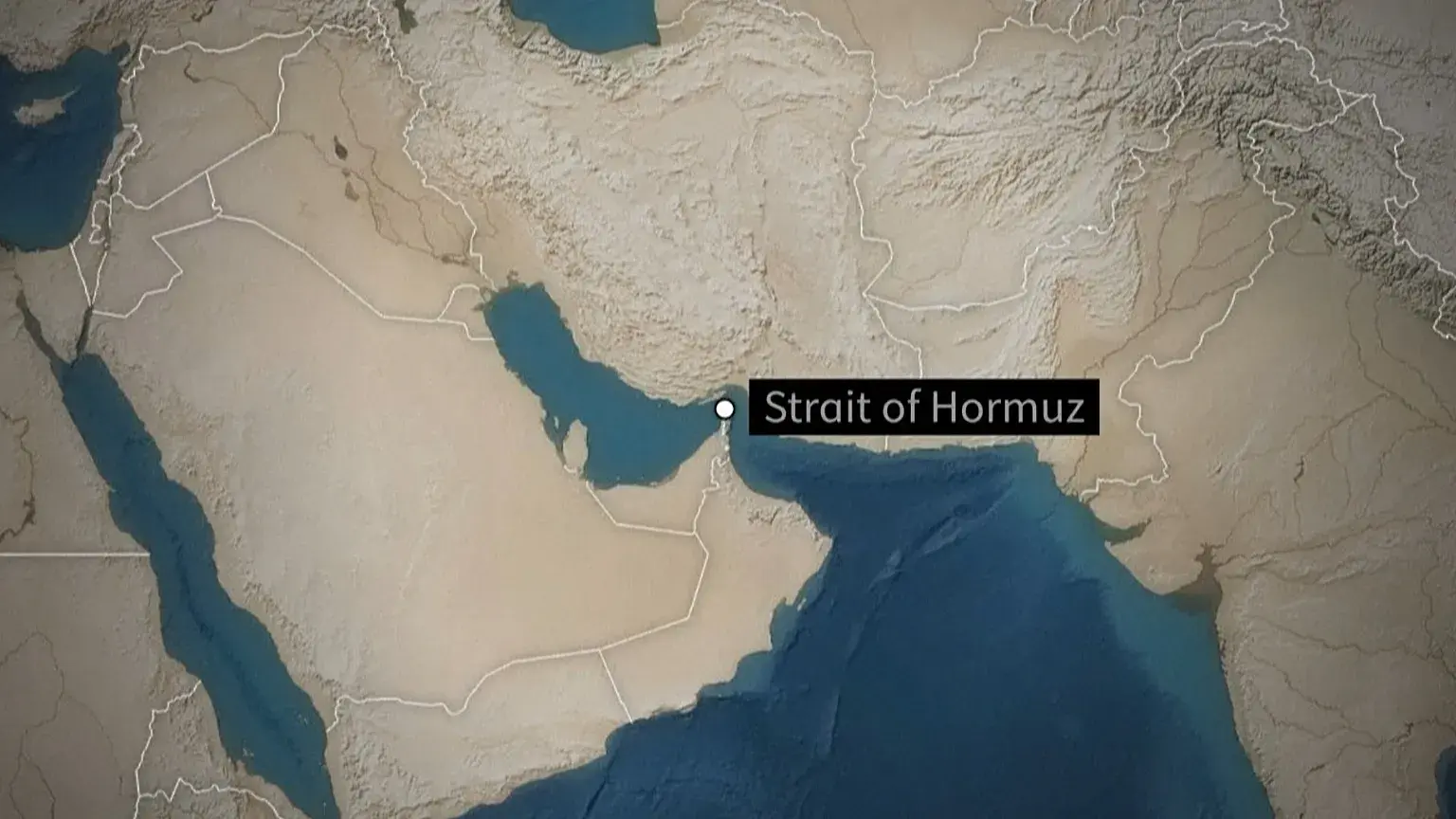
The war in Iran prompted the closure of the Strait of Hormuz – a critical chokepoint through which most of the oil produced in the Persian Gulf is exported.
The closure has put a strain on the global supply chain, directly affecting the price of oil and liquefied gas across the world.
The rise in the cost of oil is expected to have a ripple effect on the Canadian economy, putting vulnerable populations at increased risk.
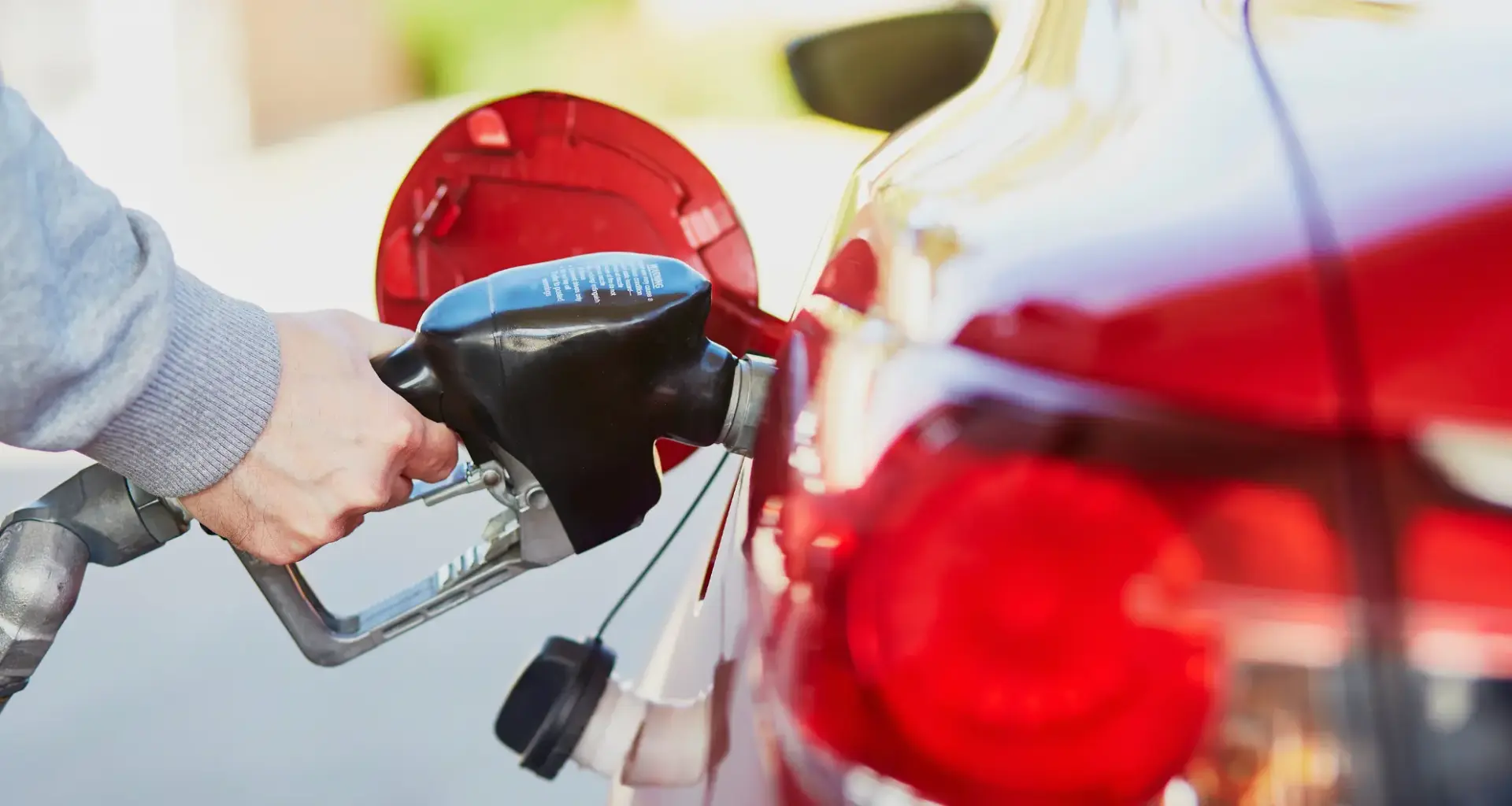
The war in Iran has put a significant strain on the world’s energy supply chain. In Canada, the prices at the gas pumps have skyrocketed.
According to the province’s motor fuel index, as of March 16th, the price of Regular Unleaded Gasoline was 166.6 cents per litre in Southern Ontario. Nationwide, the average of gas prices on Friday was 168.0 cents per litre – up almost 40 cents from the monthly average in February.
Read More
The price at the pumps is a direct reflection of what is happening (or not happening) at the Strait of Hormuz – a critical chokepoint between Iran and the United Arab Emirates through which 38 per cent of the world’s crude oil, 29 per cent of liquefied petroleum gas (LPG), 19 per cent of liquified natural gas (LNG), and 19 per cent of refined oil products (e.g. motor fuel) have passed through prior to the conflict.
 AI generation disabled
The closure of the strait in late February meant the global supply of aforementioned resources were disrupted.
“The bottom line is, supply has been limited extensively,” Walid Hejazi, professor of economic analysis and policy at the University of Toronto, tells Now Toronto.
“The direct effect is gas prices go up, and natural gas prices go up. All of those energy costs go up.”
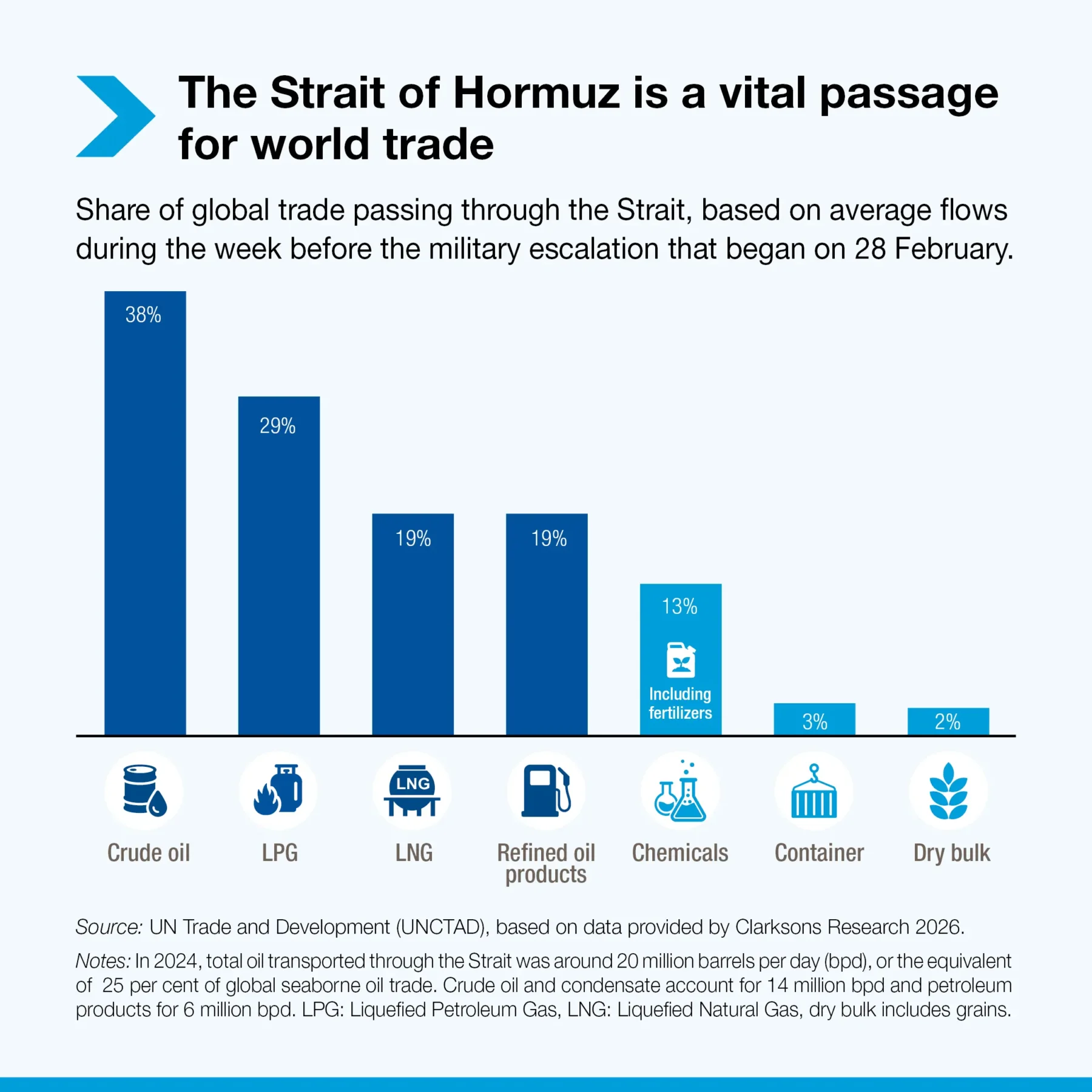 (Courtesy: United States Trade and Development)
Although the pressure is currently felt most directly at the pumps, Hejazi says Canadians can expect a ripple effect in the coming months.
“In the next few months, we’re going to start to see these increased gas and energy prices manifest themselves in higher grocery prices and so many other products that we buy,” he says.
Earlier today, the CEO of QatarEnergy told Reuters Iranian attacks damaged 17 per cent of Qatar’s LNG export capacity, the repairs of which would take three to five years. Hejazi says this will disproportionately impact India, Singapore, and other Southeast Asian nations.
China, on the other hand, he says, will not see as big of an impact.
“The Chinese have been anticipating this kind of an event, and they built up a huge reserve of energy resources,” Hejazi says.
While Canada also has a large oil reserve – the fourth largest in the world – the difference between China and Canada is that the oil reserves in the North American nation are privately owned, which means Canadians will continue to see prices rise.
“Even though Canada and the U.S. have a lot of oil, it’s not like they’re going to give it to Canadians at a price below the global price,” Hejazi says.
“These are private companies that maximize profit. They’re going to sell [their oil] to whoever gives them the highest price.”
Hejazi says at this time, the federal government should be thinking of ways it can help the country’s working class who are going to be most impacted by the costs of the foreseeable rise in prices.
“Right now and for the next six months, maybe longer, Canadians, Ontarians, Torontonians are going to be paying more for energy,” Hejazi confirms.
He says if the war were to end today, it would take three to six months to clear the backlog of all of the ships stuck from crossing the strait and replenish the supply.
That estimated backlog, according to Hejazi, would grow linearly if no more oil infrastructure were targeted by strikes.
“But if they blow up more infrastructure, then [the growth of the backlog] is exponential.”