
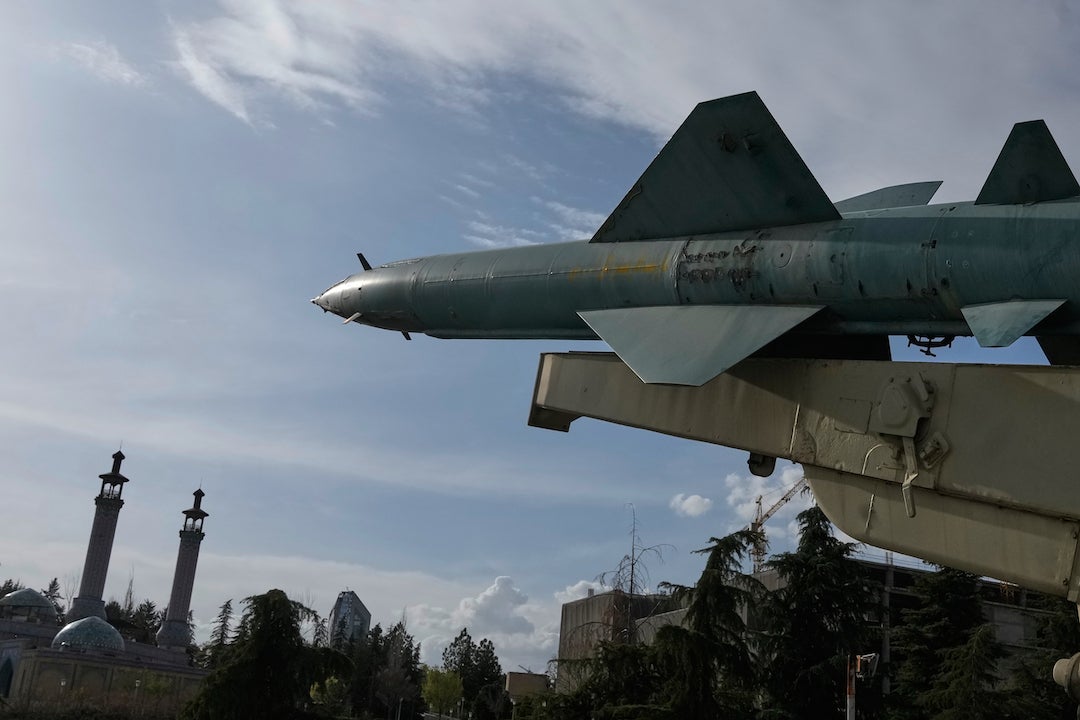
Weeks into the Iran war, it’s still unclear where it is heading and how long it will continue.
Over the weekend, President Donald Trump threatened to “obliterate” Iran’s power plants and energy infrastructure if the Strait of Hormuz was not reopened to shipping within 48 hours. But on Monday, hours before the deadline expired, Trump said he was postponing strikes, writing on Truth social that the U.S was in “very good and productive conversations” with Tehran and giving them five days to work out. Iranian officials, however, flatly denied there were peace talks underway and said it was a ploy by the president to lower energy prices and buy time for military planning.
Markets did surge, and oil prices fell sharply with Trump’s announcement, as investors bet the strait could reopen soon. But ordinary Americans haven’t felt much relief. The national average for a gallon of gas now sits at $3.96, according to AAA, up 35% compared to before the U.S. and Israel attacked.
On this episode, nearly a month into the war, are we any closer to a conclusion? And if so, what will have been accomplished? Will Iran still have the capacity to make nuclear weapons? Will it still be a force in the region through its proxies? Will the majority of Iranian people who oppose the regime have any greater chance to take control of their country?
Guests:
Mark Mazzetti, investigative reporter for The New York Times, focused on national security
John Ghazvinian, professor of history at the University of Pennsylvania and author of America and Iran: A History of 1720 to Present