

Listen to this article
Estimated 4 minutes
The audio version of this article is generated by AI-based technology. Mispronunciations can occur. We are working with our partners to continually review and improve the results.
City of Ottawa staff want to design rules that could one day require developers to put moderately affordable units in some new buildings.
But they’re pulling out all the teeth.
Inclusionary zoning allows cities to mandate up to five per cent affordable units in developments near major transit stations.
A new city report recommends proceeding with the idea but setting the “requirement” not at five per cent — but at zero.
Staff say the policy is “not economically feasible under current market conditions and may be counterproductive to [incentivizing] housing development.”
They say they could dial the number up later when conditions improve.
Kitchissippi Coun. Jeff Leiper, who chairs council’s planning and housing committee, said the housing market has changed since the city first began looking at the policy years ago.
“The cost of building housing has gone up very significantly,” he said.
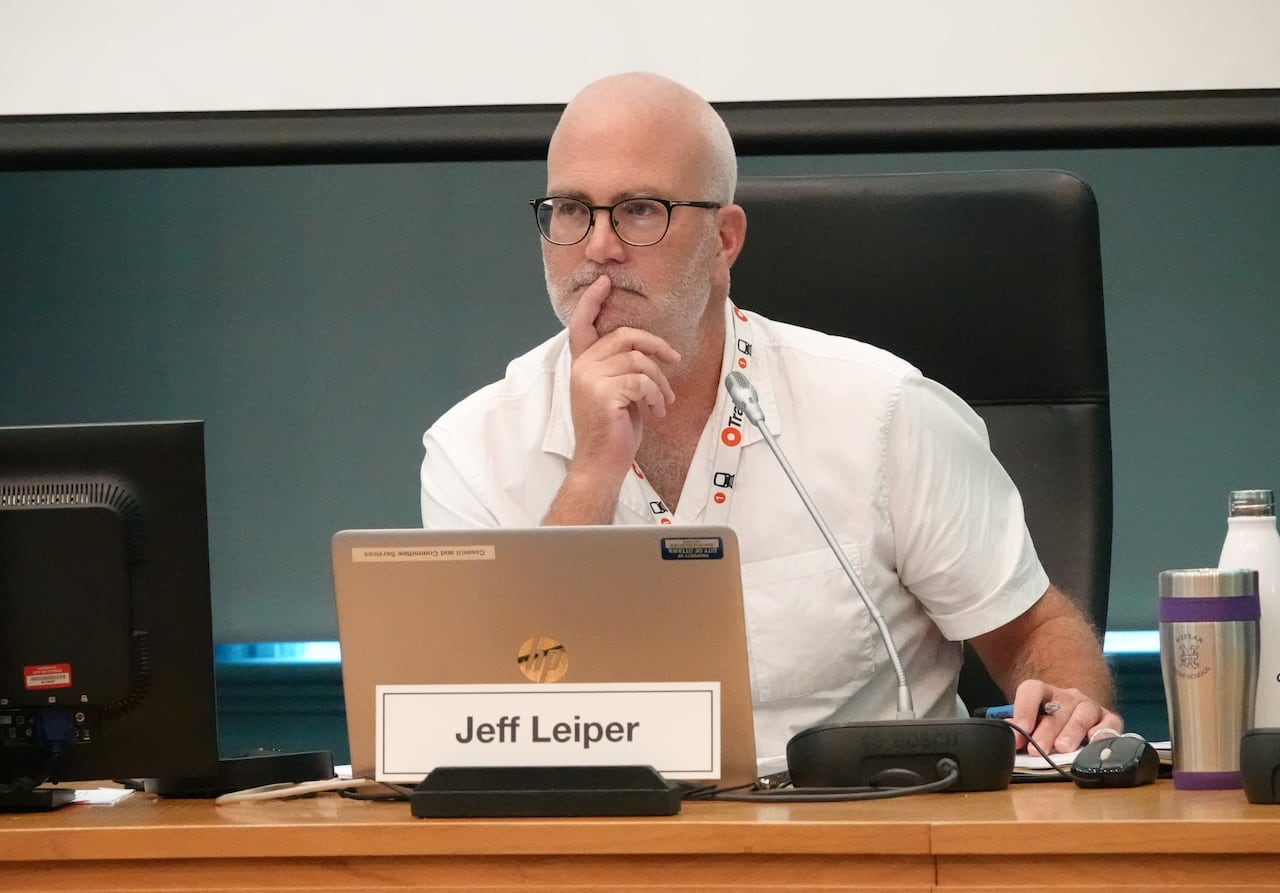 Coun. Jeff Leiper chairs a meeting of Ottawa’s planning and housing committee. (Giacomo Panico/CBC)
Leiper recalled that some councillors, including him, initially wanted a requirement of perhaps 20 per cent, but it’s now clear to him that such levels wouldn’t be viable.
“A really steep inclusionary zoning framework would probably, I think, have a freezing effect on the construction of housing, particularly in the areas where we want it most,” he said.
City staff warn that the rules could push developers to choose sites further away from transit stations where inclusionary zoning wouldn’t apply. That would run counter to the city’s own transit-focused development goals.
Leiper said there’s another barrier to the policy: the province. He said provincial policy has changed since Ottawa first began looking at inclusionary zoning years ago.
The Ford government has recently paused inclusionary zoning requirements in Toronto, Mississauga and Kitchener.
“I don’t think it would be particularly pragmatic for us to move ahead with inclusionary zoning requirements when Queen’s Park is clearly very adamantly against those,” said Leiper.
“But let’s get the framework in place [to prepare for a] day when it might be possible to use inclusionary zoning again.”
‘Frictional effect on development’
City council will have to approve the staff report for that work to happen. It first goes to Leiper’s committee early in April.
The policy relies on a somewhat limited definition of affordability. It uses a formula that would set a maximum purchase price of about $441,000 for a condominium unit or a monthly rent of about $1,900 for a two-bedroom apartment.
It is not intended to provide deeply affordable housing of the sort offered through social housing providers.
But city staff say that even those kinds of modest requirements would have a “frictional effect on development” and may undermine the financial case for building housing in the first place.
That conclusion comes from a market assessment report the city commissioned from Dillon Consulting and N. Barry Lyon Consultants.
“A mandatory requirement to make units affordable is of no practical use if no units are built at all,” the staff report says.
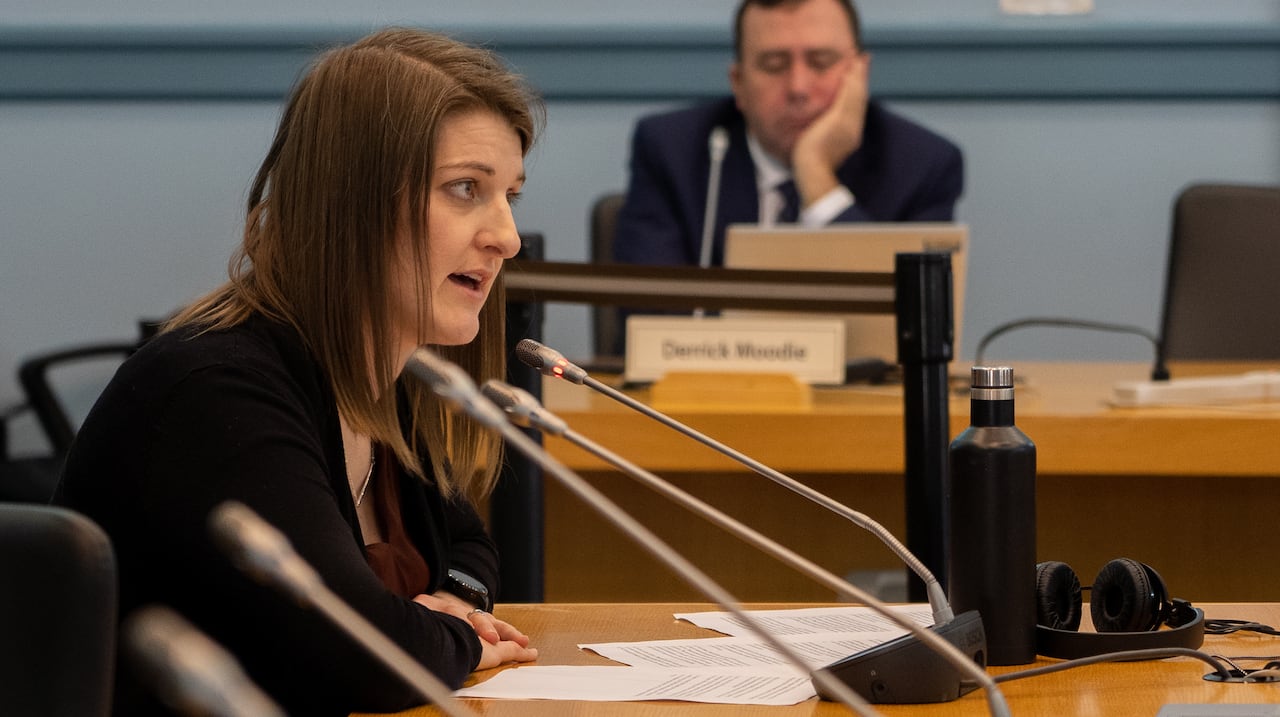 Kaite Burkholder Harris, executive director of the Alliance to End Homelessness Ottawa, presents to councillors in November 2023. (Francis Ferland/CBC)
Kaite Burkholder Harris, executive director of the Alliance to End Homelessness, said her group has advocated for inclusionary zoning in the past – but recent experiences in cities like Montreal have shown that it doesn’t work well.
“What it turns into is a developer not building, because they can’t make the bottom line work,” she said.
She also noted that the housing built through the policy would only be guaranteed affordable for 25 years. She would prefer to see something permanent.
“Let’s invest our energy where we’re going to have the most impact,” she said. “And I think non-market housing, in terms of new affordable units, that’s the place that’s going to have the most impact for the longest.”