
Sherri Mandell, who lost her son to terror, has built a philosophy of resilience centered on community, creativity, and the refusal to let trauma define a life
Sherri Mandell’s laugh is contagious. It creases the corners of her eyes and draws her whole body into the moment, yet remains completely genuine, warm, and inviting.
When Mandell and I met one afternoon in a Jerusalem café, the latest war with Iran had not yet begun. Still, the country was tense, waiting for the first rocket to fall. Israel was already carrying the weight of the October 7 massacre and more than two years of aftermath—ongoing fighting, soldiers dying, and a prolonged hostage crisis that left nearly everyone wounded in some way, but not yet ready to begin healing.
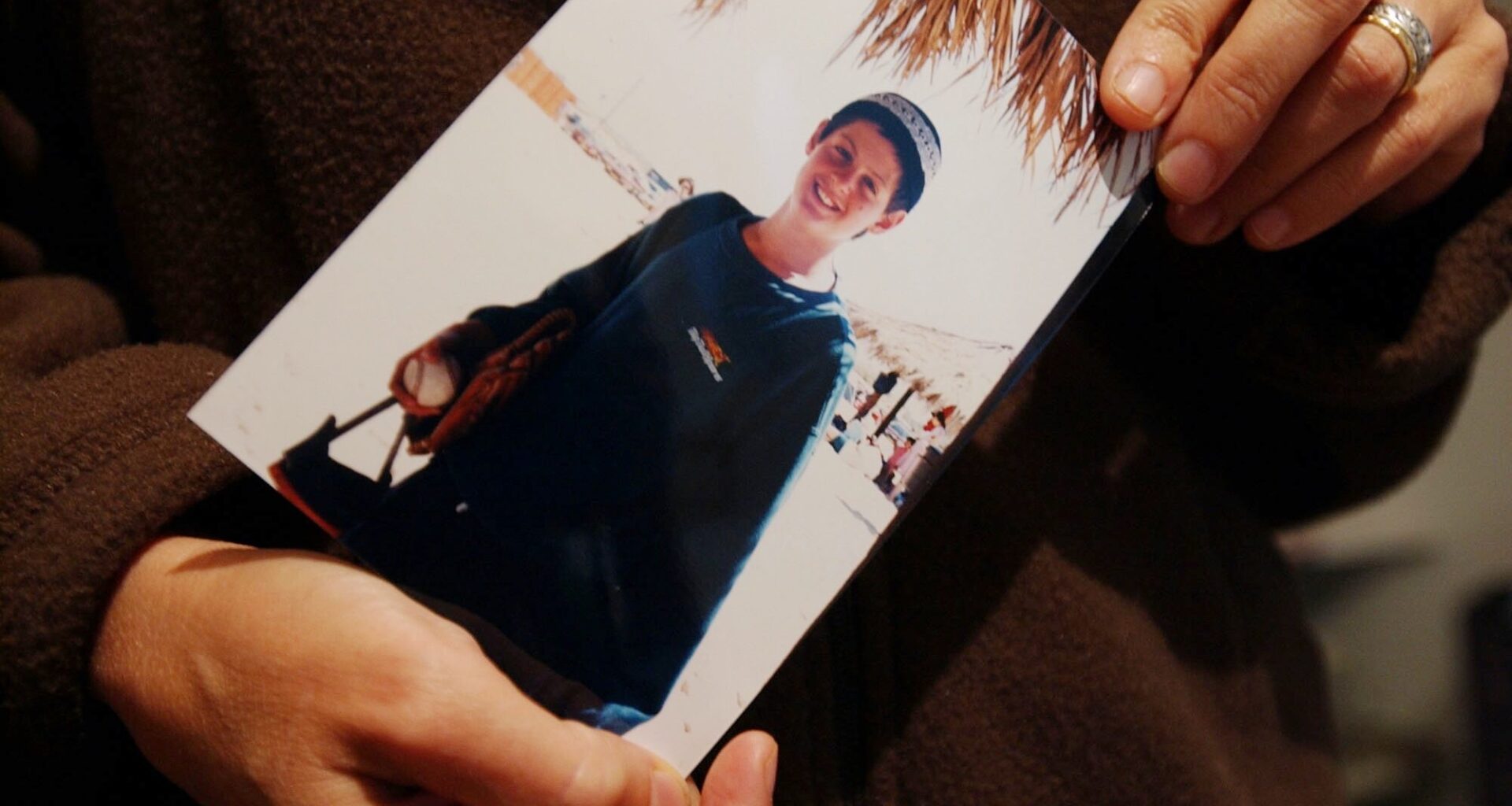
For Mandell, that landscape of national pain is deeply familiar. Her son, Koby, was murdered by a Palestinian terrorist on May 8, 2001, at age 13, while hiking in a cave near their home in Tekoa, south of Jerusalem. He was killed alongside his friend Yosef Ishran.
Since the Second Intifada, thousands of Israelis have been killed in attacks, including 1,200 people on October 7, 2023, when thousands of Gazans entered Israel, rampaged through communities and villages, and kidnapped civilians. More than 360 people were killed at the Nova music festival in southern Israel that day, with victims drawn from across the country.
By June 2025, a direct war with Iran had led to the deaths of another 28 Israelis, including 27 civilians. In the most recent round of fighting, more than a dozen additional people have already been killed.
I have been traumatized by loss, but I don’t define myself as traumatized
Many have described Israel as “a nation in trauma.” Mandell does not reject the pain, but she resists making it an identity. A woman who lost the most precious thing she had—her child—she told The Media Line, “I have been traumatized by loss, but I don’t define myself as traumatized.”
That distinction lies at the center of her life’s work.
Born in New York, Mandell studied at Cornell University and later earned a master’s degree in creative writing from Colorado State University. She immigrated to Israel from the Washington area with her husband, Seth, and their four children in 1996, eventually settling in Tekoa. Over the years, she has become known not only as a bereaved mother but also as a writer, teacher, and advocate for those coping with trauma and loss.
Mandell and her family have dedicated themselves to helping others heal from devastating experiences. Through the Koby Mandell Foundation and its flagship Camp Koby, they support victims of terror, families shattered by car accidents, mothers who gave birth to stillborn babies, and others coping with deep loss. Through Comedy for Koby, they also bring world-famous comedians to Israel several times a year, giving Israelis—who so often live under the pressure of war—a chance to exhale and laugh.
Over the years, Mandell has spent time thinking, writing, and teaching about what healing actually looks like. The death of her son led her to write several books, including The Road to Resilience: From Chaos to Celebration, which lays out her “seven C’s,” a set of spiritual guideposts for coping with trauma. The point is not to offer a formula. It is to help people find a way forward when life has split open.
One of those C’s is chaos—the rupture, the shock, the bewilderment that follows catastrophe.
“It’s like what we were on October 7,” Mandell said. “It’s a feeling of powerlessness and brokenness and no hope.”
From there, she argues, healing begins not in isolation but in connection. Another of her C’s is community. Being surrounded by people who understand your pain can soften loneliness and make grief more bearable.
After Mandell lost Koby, Facebook was just getting started. There was no social media, and people were often left to cope with grief alone. Those who came forward to support her, and those who formed a community around shared loss, became, in her words, a kind of human bridge to something larger.
“I couldn’t send out a message about anything,” Mandell noted. “And now, for good and for bad, there’s like an overcommunication. And so I think the community thing, like a lot of people, you see that the whole country mobilized. Everybody wanted to do something.”
Another of her C’s is choice: the decision to let others in, to accept help, to stop treating suffering as a sealed room.
As Mandell put it, “Eventually you have to make a choice, and your biggest choice really is letting people in and getting help, letting that kindness come in.”
That idea was shaped, in part, by one of the most jarring moments after Koby’s death. Mandell recalled going to the National Insurance Institute to claim benefits. She had convinced herself that dying for Israel was the “highest level” and expected to be received almost as a national heroine. Instead, she was treated like everyone else.
She said that moment became an early turning point, forcing her to confront the gap between personal meaning and public reality. Grief was not going to be sanctified for her by the system. She would have to build meaning herself.
Another place where that philosophy appears is in creativity.
On that point, Mandell said, “You have to use your creativity to figure out what you should do next, how you’re gonna live now, and also how you’re gonna commemorate your loved one.”
For Mandell and her husband, Seth, Camp Koby grew out of that instinct. They knew it would have been something their son would have loved. For Mandell herself, writing became another creative act of survival, a way to process grief and begin rebuilding meaning.
Her first book after Koby’s death was The Blessing of a Broken Heart, which won a National Jewish Book Award. The work is deeply personal, blending memoir with spiritual reflection.
Recalling that experience, Mandell said, “That book was like my own narrative therapy, even though at the time I didn’t define it like that,” noting the contrast between the dark cave she describes, where Koby was murdered, and the bird’s nest she writes about, a place of birth.
Later, she added, “Those images spoke to me. Once I had those, I created my own imagery.”
Another of Mandell’s C’s is consecration, which she describes not as remembrance alone but as transformation.
You take what could have killed you, and you flip it. It’s like making something holy. It’s like we took all that cruelty and we turned it into kindness.
In her words, “You take what could have killed you, and you flip it. It’s like making something holy. It’s like we took all that cruelty and we turned it into kindness.”
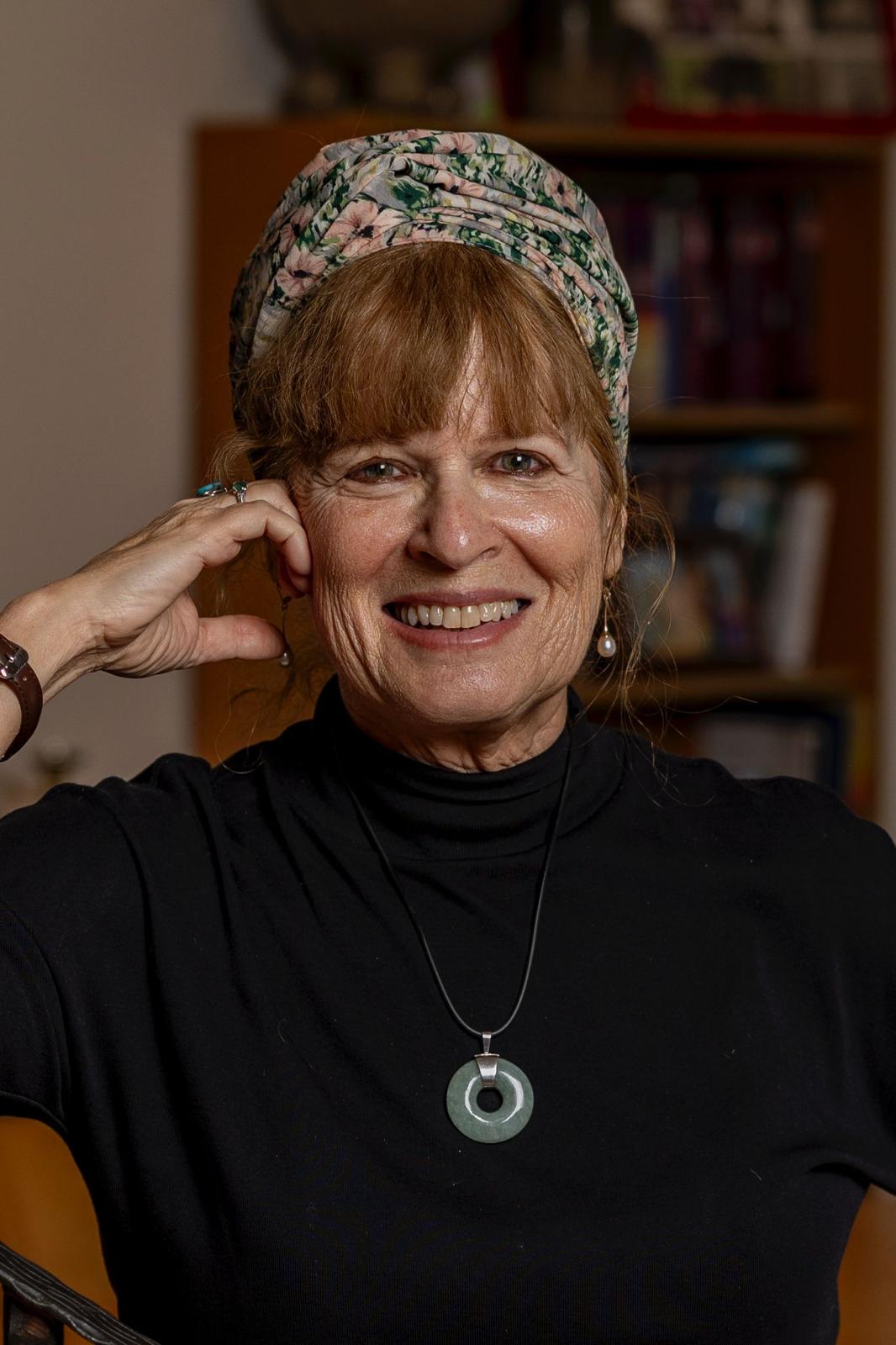
Sherri Mandell. (Courtesy)
That idea helps explain why she bristles at the notion that October 7 stands apart from all else in Israeli life. She understands why people see it that way. But she also knows the country has lived through repeated waves of trauma. From 2000 to 2005, during the Second Intifada, more than 1,000 people were killed across Israel. What changes is not the fact of suffering, but what people do with it.
Then there is celebration. When Mandell talks about that final C, she laughs again.
With that, she said, “I’m a much happier person than most people I know. I’m happier because I really appreciate my kids and my husband. I understand what life is.”
That insistence on joy may sound surprising in a country battered by grief and war. Yet it connects with a broader picture of Israeli resilience. This month, despite the Iran war and the more than two years of conflict that preceded it, Israel once again ranked near the top of the World Happiness Report, at No. 8.
For outsiders, the ranking can seem surprising, but researchers say it reflects deep social foundations rather than day-to-day calm. Anat Fanti, a happiness policy researcher at the Program in Science, Technology and Society at Bar-Ilan University, said the figures suggest that even under the strain of prolonged war, family ties, community, faith, belonging, and strong social bonds are helping much of Israeli society remain well above the global average, the university said.
In a statement, Fanti said, “Israel’s result in this year’s World Happiness Report does not erase the psychological and social cost of the war. On the contrary, it highlights the gap between the resilience of Israeli society and the difficult emotional reality of daily life. The fact that Israel is still ranked eighth in the world, and that young Israelis in particular are ranked third, points to the strengths of Israel’s population in comparison to other countries. At the same time, the rise in worry, sadness, and anger, together with the erosion of public trust, makes clear that resilience is not immunity.”
In her own way, Mandell is saying something similar. In Israel, she said, people are held up by family and community, while loneliness is what so often breaks people down. Jews also know how to laugh at themselves. She said even during the seven days of shiva after her son’s death, she and her family found themselves laughing at “all of the fun and even stupid things people say. Like, we just, it’s so hilarious you have to laugh. Yes, even during shiva we were laughing.”
Nor does Mandell romanticize suffering. She admitted that “I did collapse,” but she found that when she was surrounded by others who had also suffered, “we collapsed together” and were able to build each other back up.
When you’re broken, there’s no place to break more. It’s like you’re already in so many pieces.
At her lowest point, she told The Media Line, “When you’re broken, there’s no place to break more. It’s like you’re already in so many pieces.”
But for Mandell, that is not the end of the story. It is the point from which rebuilding begins.
Finally, Mandell said, “You’re like a baby. You have to relearn how to walk and talk and everything. But you have to take a few steps at a time.”
This report is part of Traumatech, a series developed and created by Maayan Hoffman and debuting on The Media Line. The series explores how Israel is building and exporting breakthrough mental health technologies that can transform life at home and bring hope to communities worldwide.