
Lebanon has struggled with political paralysis, economic collapse, and weak state institutions for years. Since the Lebanese Civil War, power has been divided along sectarian lines, creating a delicate balance between communities.
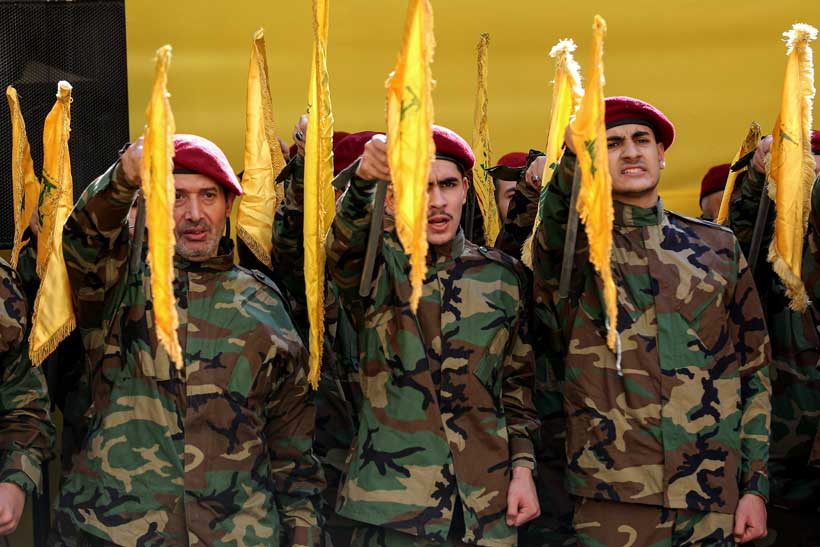
Hezbollah has long operated as both a political actor and a powerful armed force, backed by Iran, often overshadowing the Lebanese state itself. Efforts to disarm the group have repeatedly failed, including after the 2024 conflict with Israel.
The latest war, triggered by Hezbollah attacks in support of Iran during the broader regional conflict, has intensified long-standing tensions within Lebanon.
Displacement and Rising Sectarian Tensions
Israeli bombardment and evacuation orders have displaced more than a million people, most of them from Hezbollah’s Shi’ite support base. Many have fled into Christian and Druze areas, where resentment is growing.
Local authorities and communities are increasingly wary, with some vetting displaced families over fears they could attract Israeli strikes. Incidents of clashes and resistance to hosting displaced populations highlight the deepening mistrust between communities.
Analysts warn that this large-scale displacement risks becoming a “ticking bomb” if people are unable to return home, potentially triggering broader internal conflict.
Political Fractures and State Authority
The war is widening divisions within Lebanon’s political system. The government, led by Prime Minister Nawaf Salam and President Joseph Aoun, has taken an unusually firm stance against Hezbollah, banning its military wing and calling for dialogue with Israel.
Hezbollah, however, has responded with defiance, signaling it will not disarm and warning it could escalate internally if pressured. This confrontation reflects a deeper struggle over who controls Lebanon’s security and foreign policy.
The situation echoes past crises, such as the 2008 clashes when Hezbollah briefly took control of Beirut after the government attempted to challenge its communications network.
Israeli Strategy and Regional Impact
Israel has indicated it may establish a security zone in southern Lebanon, potentially extending up to the Litani River. Such a move could prevent large numbers of displaced people from returning, further inflaming domestic tensions.
Some Lebanese politicians fear Israel’s actions could unintentionally or deliberately push different communities into confrontation by redistributing populations across sectarian lines.
Israel, however, maintains it is targeting Hezbollah exclusively and denies any intent to inflame internal divisions.
Society Under Strain
On the ground, coexistence is under visible pressure. While some communities continue to host displaced families peacefully, others have resisted, fearing both security risks and demographic shifts.
Local measures, such as stricter checks on renters and opposition to new shelters, reflect growing anxiety. These responses highlight how quickly social cohesion can erode under the pressure of war and displacement.
Analysis: End of an Unstable Balance
The conflict is not just a war between Israel and Hezbollah it is exposing the limits of Lebanon’s political model.
For decades, Lebanon has functioned through an uneasy coexistence between the state and Hezbollah’s independent military power. That arrangement is now under severe strain. The war is forcing a reckoning: either the state reasserts authority, or Hezbollah maintains its dominance at the cost of deeper internal division.
At the same time, mass displacement and sectarian mistrust risk reigniting internal conflict dynamics that Lebanon has tried to avoid since the civil war.
In this sense, the current crisis may mark a turning point. The outcome of the war will not only shape Lebanon’s security landscape but could also determine whether the country holds together as a unified state or slips further into fragmentation.
With information from Reuters.