
The evolving conflict centred on Iran has entered a more volatile phase, with military, political and economic pressures intensifying across multiple fronts. According to reports, the Pentagon is actively preparing for potential ground operations inside Iran. These plans involve limited-duration missions, including raids by special operations forces and conventional troops, rather than a full-scale invasion. Strategic targets under consideration include Kharg Island, a vital oil export hub, and coastal areas near the Strait of Hormuz, a key global shipping route. Despite the advanced planning, US Secretary of State Marco Rubio has maintained that Washington “can achieve all of our objectives without ground troops”.
On the diplomatic front, Iran has issued a sharp warning, threatening retaliation against US-linked universities in the Middle East following reported strikes that destroyed two Iranian institutions. The ultimatum demands a formal condemnation from Washington, signalling a further deterioration in already strained relations.
Regional hostilities have also intensified through proxy actors. Iran-aligned Houthi forces in Yemen have launched repeated missile and drone attacks targeting Israel, claiming strikes on sensitive military sites. Israel, in turn, has expanded its operations, with warplanes reportedly breaking the sound barrier over Beirut, causing widespread alarm across Lebanon. The conflict has taken a severe humanitarian toll, with the World Health Organisation reporting the deaths of nine paramedics in Lebanon in a single day, alongside significant damage to healthcare infrastructure.
In Iraq, violence has escalated with a strike in Mosul killing two police officers and injuring others, with local authorities blaming the US and Israel. Meanwhile, the United States has condemned a drone attack targeting Nechirvan Barzani, attributing it to Iranian-backed militia groups and calling it an assault on Iraq’s sovereignty.
The economic repercussions are also becoming evident. Pakistan has raised jet fuel prices for the fifth time in less than a month, citing the ongoing West Asia conflict and volatile global oil markets. Prices have surged dramatically since early March, reflecting broader instability in energy supply chains.
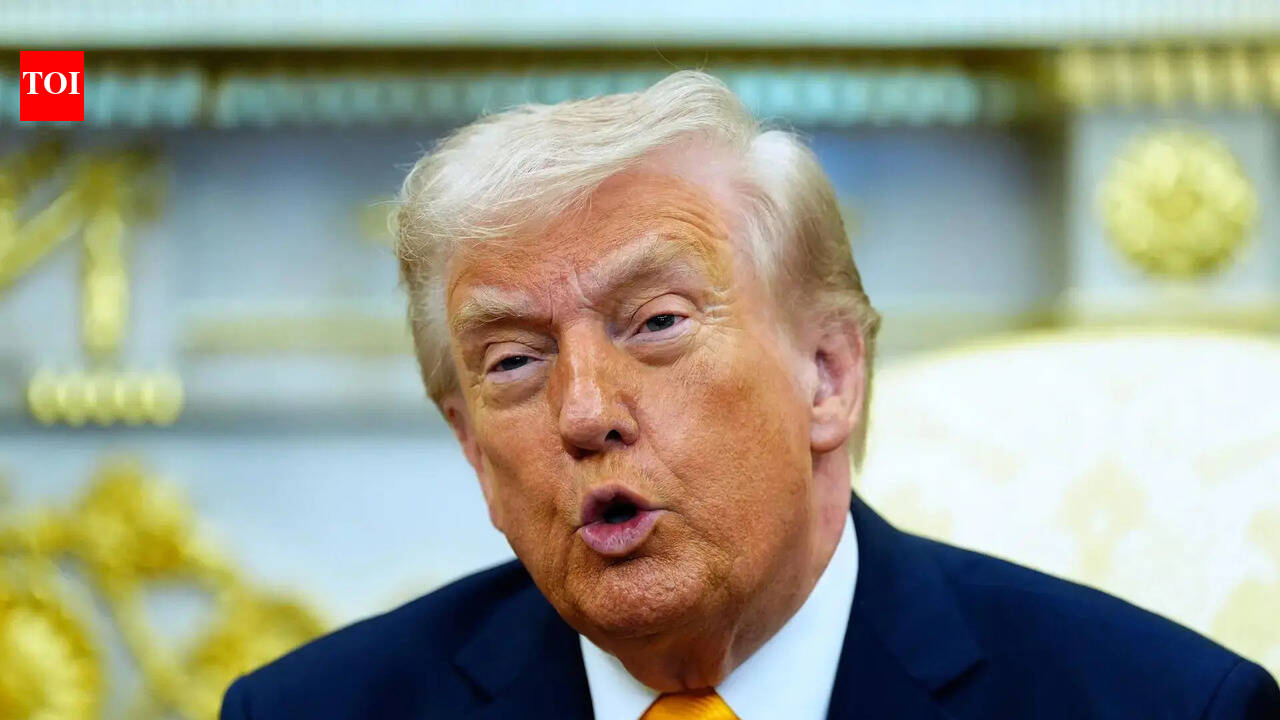
Amid these developments, domestic unrest in the United States has added another layer of complexity. Millions of protesters have taken to the streets nationwide under the “No Kings” movement, criticising President Donald Trump’s leadership and condemning the war. Demonstrations across major cities reflect growing dissatisfaction over foreign policy decisions and fears of deeper military involvement in Iran.
Middle East conflict – Key points
1. Iran warns of wider conflict
Iran’s parliament speaker Ghalibaf said the country is prepared for a potential US ground attack and warned of retaliation against US regional allies. He accused Washington of publicly talking of peace and negotiations while secretly planning a ground attack.
2. Pakistan to hold diplomatic talks
Pakistan’s foreign minister Ishaq Dar met counterparts from Egypt and Turkey in Islamabad ahead of planned talks to discuss Middle East tensions and regional peace efforts. Saudi Arabia is also expected to join the discussions.
3. Strikes hit key Gulf infrastructure
Iranian missile and drone attacks targeted aluminium plants in Bahrain and the UAE, injuring workers and causing significant damage.
4. Casualties and explosions in Iran and Lebanon
At least five people were killed in US–Israeli strikes on an Iranian port city near the Strait of Hormuz. Multiple explosions were reported in northern Tehran, with smoke rising from affected areas. Separately, three journalists and nine paramedics were killed in Israeli strikes on southern Lebanon. One Israeli soldier was killed in southern Lebanon, raising the total Israeli military casualties since March 2 to five.
5. Conflict expanding militarily and geographically
The United States has deployed additional forces to the Middle East, including the USS Tripoli with approximately 3,500 personnel. Yemen’s Houthis have joined the month-long conflict, widening its geographic scope and escalating tensions in the region.