

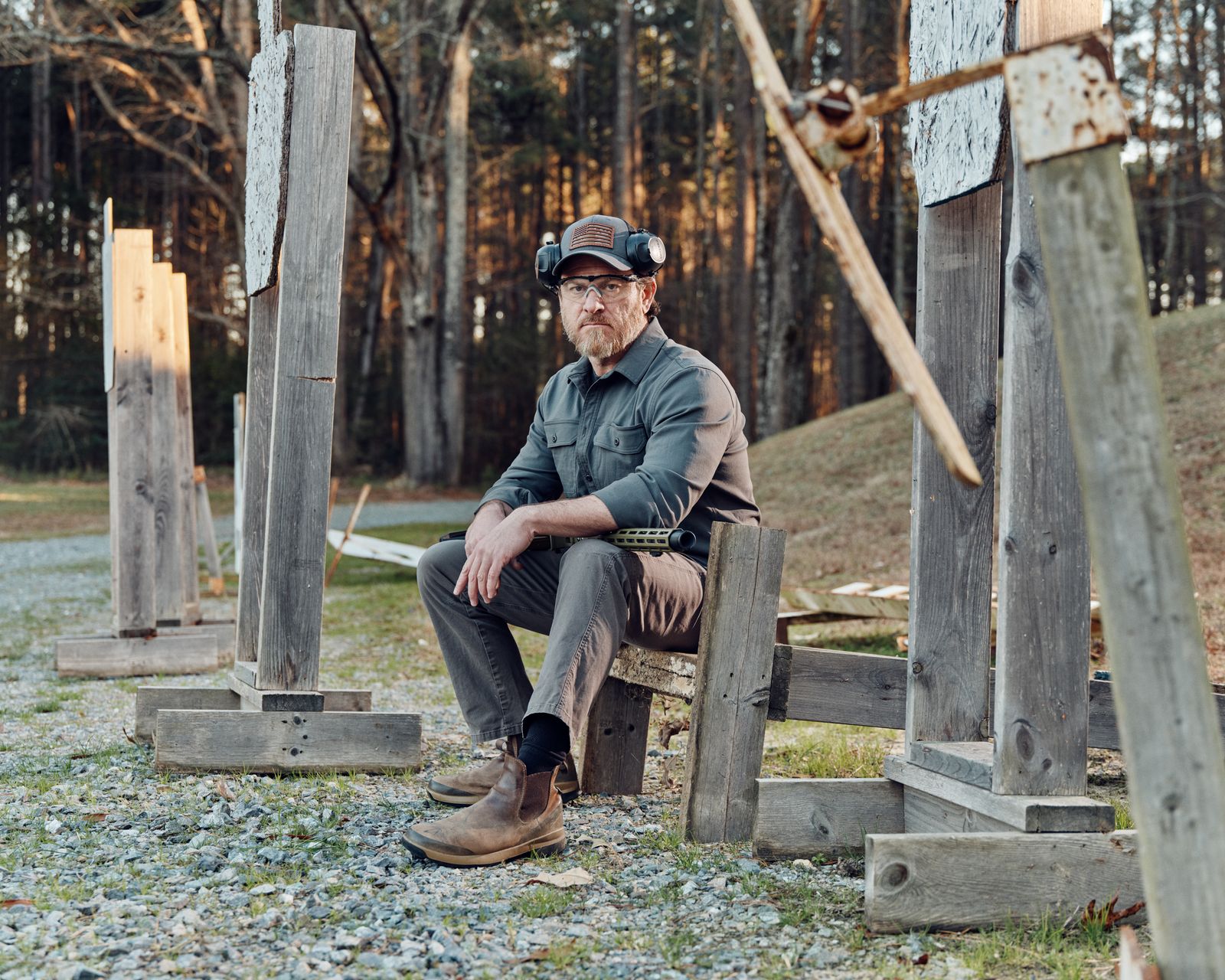
Kevin Chalker on his ranch in North Carolina. At the C.I.A., he says, he specialized in the “cold pitch”—approaching potential Iranian defectors.Photographs by Thomas Prior for The New Yorker
Somewhere high in the World Trade Center exists a cavernous suite that in the past few years has sat mostly empty, save for a receptionist, some antique encryption devices, and the office of a former C.I.A. operative named Kevin Chalker, alias Fred E. Snappleton. During his six-year career at the agency, in the early two-thousands, Chalker says, his work persuading Iranian scientists to defect yielded key details about their nation’s nuclear-weapons program. Information gathered from his covert ops, he claims, “prevented Iran from getting a nuke.”
So how did he get to a nearly empty office in New York? After leaving the C.I.A., Chalker started a consulting firm, Global Risk Advisors, which eventually employed nearly two hundred people, mostly military and intelligence officers, and took in roughly a hundred million dollars a year. But then, in 2018, Chalker was sued by the Trump mega-donor Elliott Broidy, who alleged that Chalker had orchestrated cyberattacks against him and others on behalf of the Qatari government. (Chalker denied the allegations.) The suit was recently settled, but in the intervening years, Chalker says, clients fled and money stopped coming in.
In an attempt to revive his standing as “an American patriot,” Chalker contacted the New Yorker staff writer David D. Kirkpatrick, and took the exceptionally rare, and largely counterintuitive, step of divulging the specifics of the work that he had done for the country’s clandestine service. The resulting story, published in this week’s issue, is a twisting and captivating tale full of code words, safe houses, and intrigue—offering remarkable insight into C.I.A. workings, and exploring just how far U.S. intelligence was willing to go in order to disrupt Iran’s nuclear ambitions.
Chalker was exceptionally adept at the “cold pitch,” approaching Iranian scientists and, often quite quickly, getting them to switch sides. His efforts were greatly aided, Kirkpatrick reports, by the fact that so many of them feared for their lives—after several of their fellow-scientists had been assassinated in Israeli operations. The calculus was simple: defect or die. Eventually, three-quarters of those whom Chalker approached chose to coöperate. The intelligence they provided, according to Kirkpatrick’s sources, reached the highest levels of the U.S. government, was shared with Presidents, and has shaped military and intelligence operations up through the current war with Iran.
Kirkpatrick, who has decades of experience as an investigative reporter, is an ideal guide through this shadowy and uncertain world, where an agent’s job, as Chalker describes, is “to convince someone that something is a really good idea—even though it is actually the worst idea ever.”
This Week’s Issue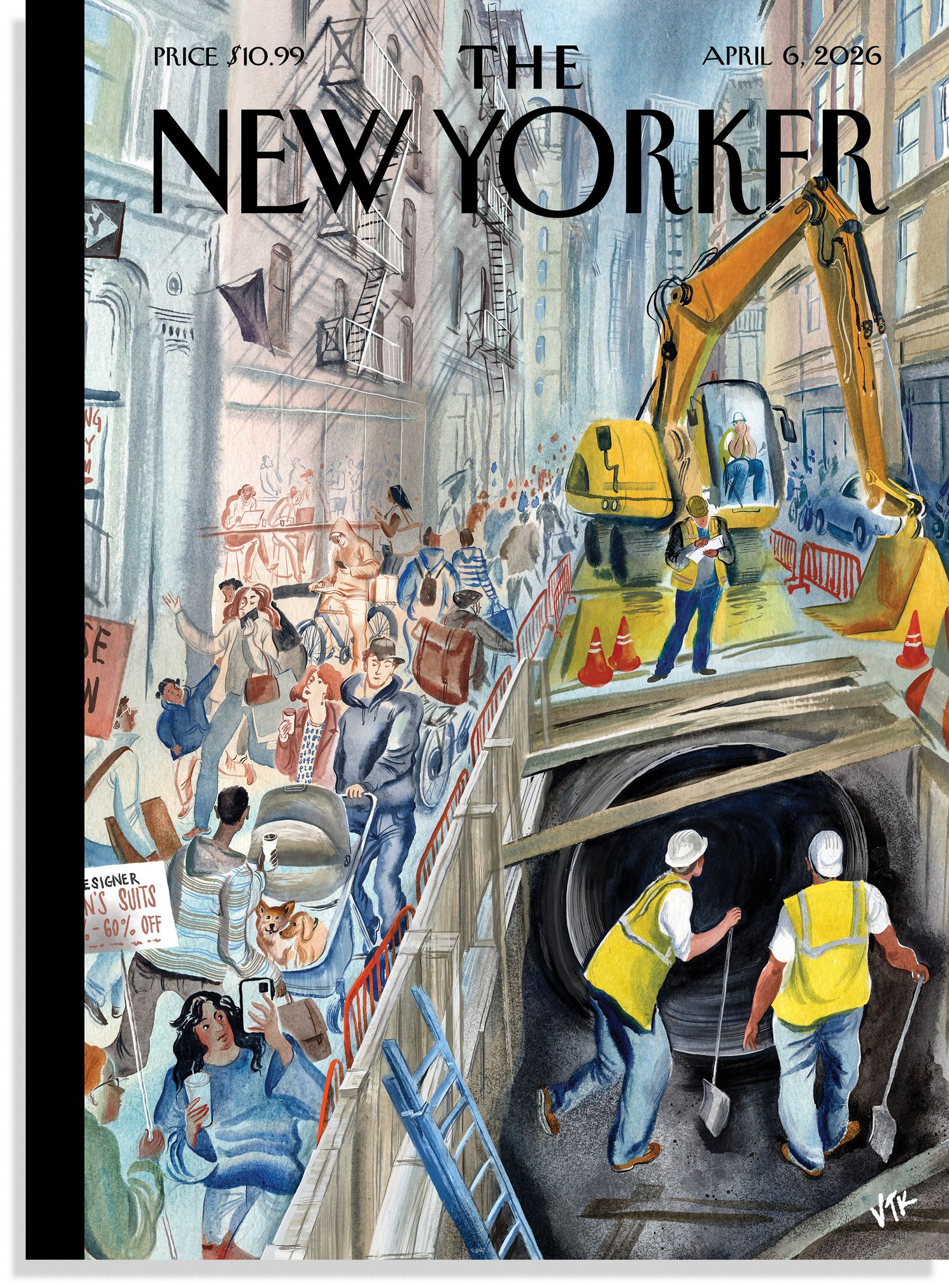
Cover by Victoria Tentler-Krylov
Going to alpha-male camp
Charles Bethea reports on programs that are turning slouching betas into warrior kings
Lena Dunham on becoming a filmmaker
The actress and artist looks back on a formative creative scene
The divide among American Jews
Eyal Press on the schism over Israel
Plus: Becca Rothfeld on measuring the good life; Richard Brody on Iranian cinema; and more.
Editor’s Pick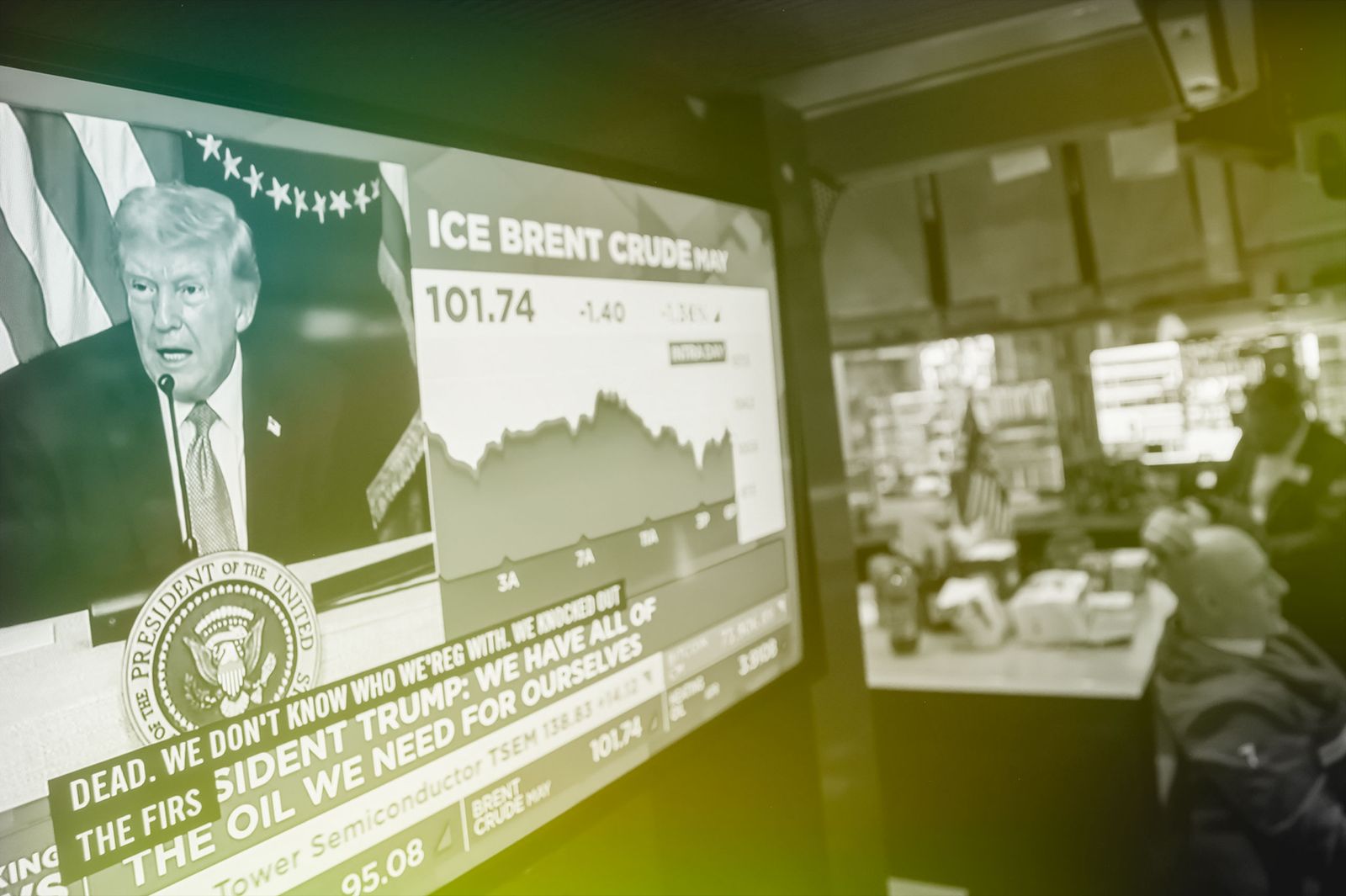
Source photograph by Michael Nagle / Bloomberg / Getty
Who Struck It Rich in the Markets When Trump Postponed Bombing Iran?
A series of uncannily timed bets on the price of oil and stocks deserves a proper investigation. But, as John Cassidy writes, it’s far from clear that that will happen. Read or listen to the story »
More Top Stories