
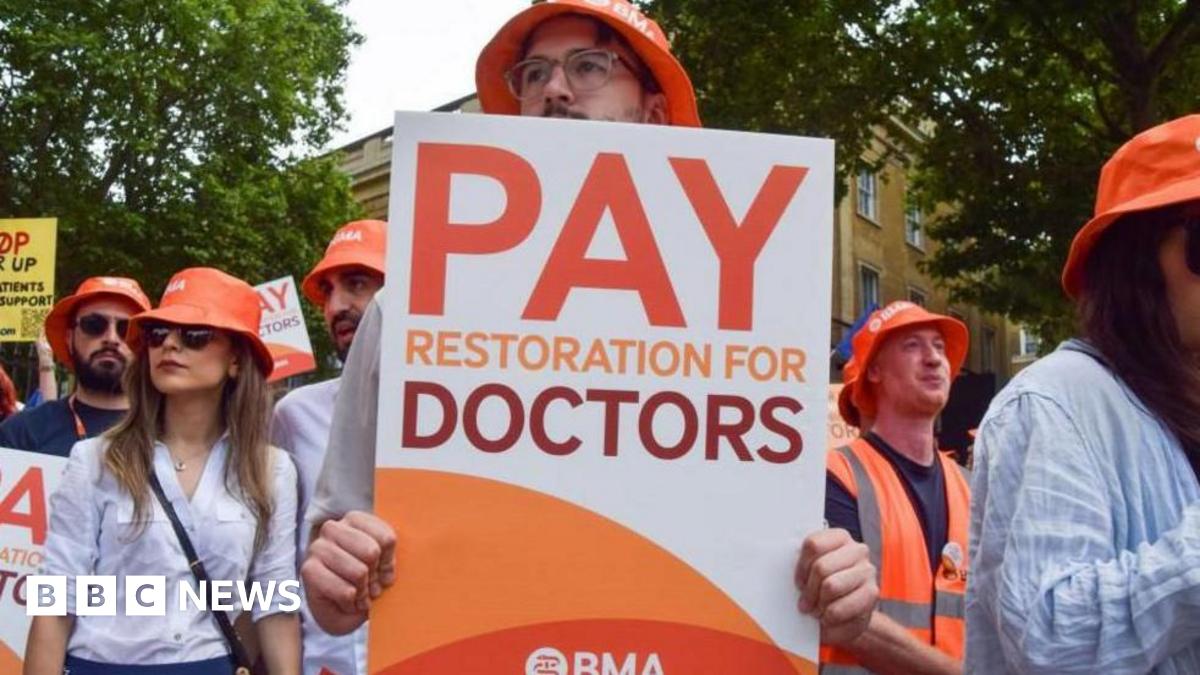
The 1,000 extra training places, which were to be created this year, were part of a package of measures that would see a total of at least 4,000 extra speciality posts created over the next three years under the deal put forward by the government.
Out-of-pocket expenses for things like exam fees were also to be covered, while progression through the five resident doctors pay bands was to be speeded up.
Talks had been taking place since the start of January following two strikes during November and December.
Health Secretary Wes Streeting had always maintained he could not offer resident doctors more pay after they were given rises totalling nearly 30% in the past three years.
The 3.5% rise that is coming to them in April was recommended by the independent pay review body and covers all doctors.
In his article in The Times, Starmer said the BMA should put the deal to members.
“Walking away from this deal is the wrong decision. It is a reckless decision. And doing so without even giving resident doctors themselves the chance to vote on it makes it even worse.
“Because the truth is this: no one benefits from rejecting this deal.”
The 48-hour deadline is because the applications for these training posts, which start in the summer, would open in April so Thursday is the last day they can be added into the system, the government says.
The walkout, which is due to begin at 07:00 BST on Tuesday, will be the joint longest of the dispute – only once before have resident doctors taken part in a six-day strike.
Resident doctors make up nearly half of medics working in the NHS – two thirds of them are BMA members.
The two sides have been in talks on-and-off for the past year.
The BMA argues that, despite the pay rises of the last three years, resident doctors’ pay is still a fifth lower than it was in 2008, once inflation is taken into account.
The union has also claimed there is a jobs shortage when doctors move into specialist training at the start of year three – this is when they choose what area of medicine, such as general practice or surgery, they want to specialise in.
Last summer there were 30,000 applicants for around 10,000 jobs, although some of those were doctors applying from abroad.
This is why expanding training posts has been a key part of the talks.