
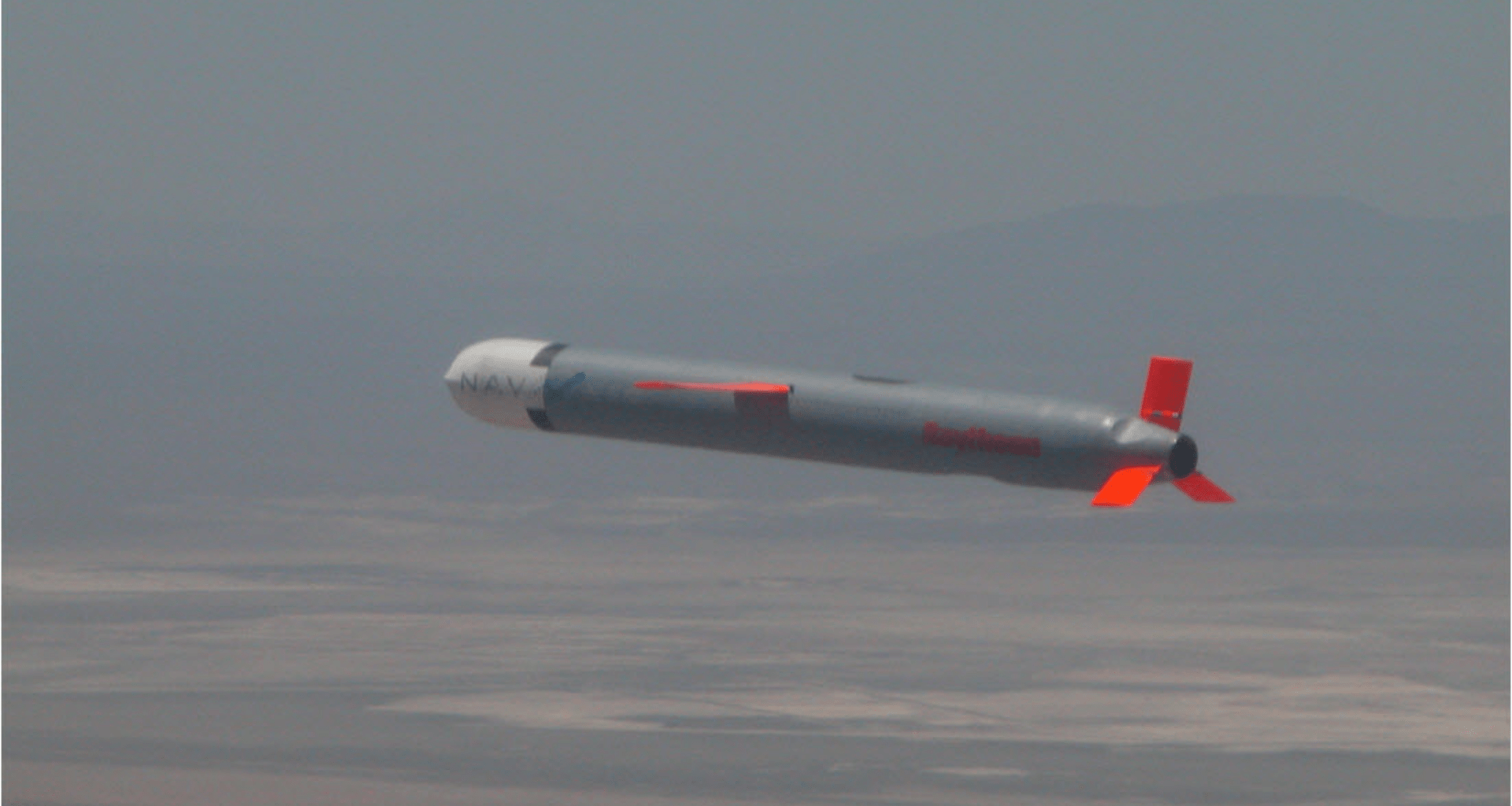
Japan’s Aegis destroyer Chokai has officially gained the ability to launch long-range Tomahawk missiles after completing a series of modifications and crew training in the US that began last October.
Japanese Defence Minister Shinjiro Koizumi announced that a ceremony had been held aboard the vessel to mark the acquisition of these capabilities, with both Japanese and American officials in attendance.
The minister said the Chokai is scheduled to carry out live-fire tests of the Tomahawk system in the US this summer before returning to Japan around September. The upgrade is seen as a key step in enhancing Japan’s maritime strike and deterrence capabilities.
Japanese authorities begin gradual Tomahawk upgrade for destroyers
The latest move is a part of a gradual plan by the Japan Maritime Self-Defense Force (JMSDF) to equip all its Aegis ships with the US-made system.
Tomahawks, which have been used by the US in operations abroad, have a range of over 994 miles, allowing coverage of North Korea and parts of China from the western Pacific.
In 2024, Japan signed a deal to purchase 400 Tomahawk missiles, strengthening the JMSDF’s long-range strike capacity, the South China Morning Post writes.
Chinese authorities have not publicly responded to Japan’s destroyer upgrade, as both Beijing and Tokyo have closely monitored each other’s expanding defense capabilities amid rising regional tensions. However, Japan’s decision to equip its ships with long-range missiles signals its broader effort to strengthen deterrence and maintain a credible counterstrike capability in the event of a potential attack.
Missile capabilities in the region have grown in both range and sophistication, increasing the challenges for Japan’s defense forces. Analysts also note that relying solely on the existing missile defense network is becoming less effective, as the number and quality of potential threats continue to rise.
Tokyo revamps maritime forces to improve ship management
Meanwhile, Japan has also reorganized its maritime forces to streamline operations and speed up decision-making, dissolving the Fleet Escort Force and creating a new Fleet Surface Force to centrally oversee its surface vessels. Chinese analysts say the move signals a shift toward quasi-carrier operations and could indicate preparations for potential contingencies involving Beijing, adding to regional strategic tensions.
Last week, the official newspaper of the People’s Liberation Army criticized Japan’s deployment of stand-off weapons, including upgraded Type-12 missiles, claiming they could form a network capable of striking both coastal and inland areas of neighboring countries. The commentary noted that Japan’s growing military capabilities are increasingly intertwined with the US, reinforcing its role in joint operations and regional security arrangements, SCMP adds.
Japan’s recent military upgrades have drawn attention in the region, with analysts noting they could influence the security environment in the Taiwan Strait and East China Sea. The addition of Tomahawk cruise missiles, which are long-range strike-capable weapons, represents a measured change in Japan’s defense posture, prompting neighboring countries to monitor developments more closely.