
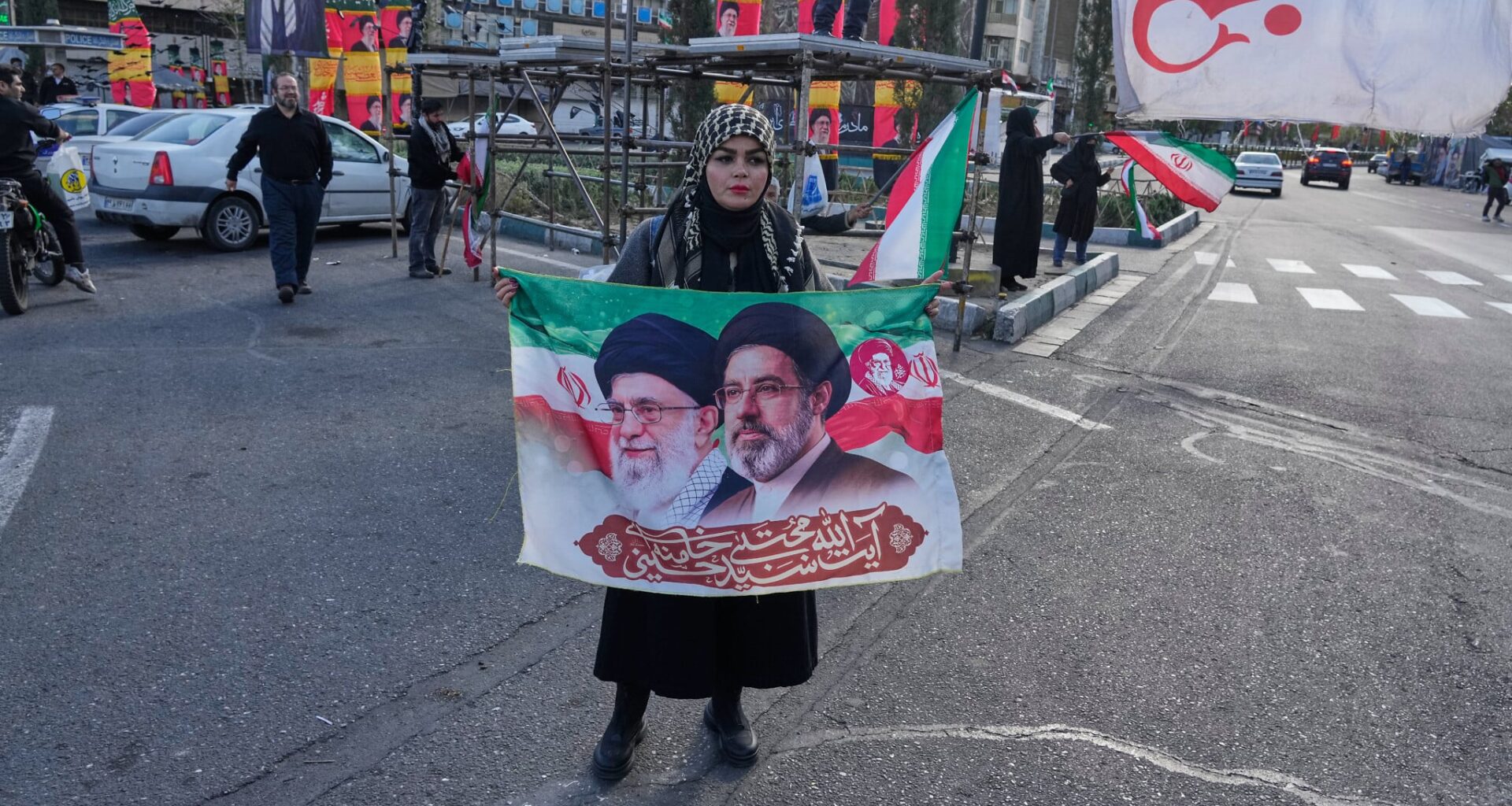
BEIRUT (AP) — Since the United States and Israel launched their war against Iran on February 28, the Trump administration claims to have all but “obliterated” the Islamic Republic’s military capabilities. Defense Secretary Pete Hegseth declared last week that “never in recorded history has a nation’s military been so quickly and so effectively neutralized.”
But after more than a month of punishing US-Israeli airstrikes, a degraded Iranian military nonetheless remains a stubborn foe. Its steady stream of strikes against Israel and Gulf Arab neighbors are causing regional chaos and an outsized economic and political shock.
Its missiles continue to penetrate Israeli airspace and kill civilians. Its cheap drones slip through its neighbors’ air defenses, shattering Gulf Arab nations’ carefully curated images of invincibility and wounding US troops. Its threats to attack oil and gas tankers strangle the Strait of Hormuz, sending energy prices soaring.
US President Donald Trump has sought negotiations and threatened extreme destruction in hopes of securing Iran’s stockpile of enriched uranium and compelling it to reopen the Strait of Hormuz.
To maintain its leverage, Iran just needs to withstand the conflict long enough to pressure Washington to seek an off-ramp, experts say.
Get The Times of Israel’s Daily Edition
by email and never miss our top stories
By signing up, you agree to the terms
“Their strategy is to try to cause sustained pain and to drive up the costs of the war for the US,” said Kelly Grieco, an expert in US military strategy and operations who is a senior fellow at the Washington-based Stimson Center think tank.
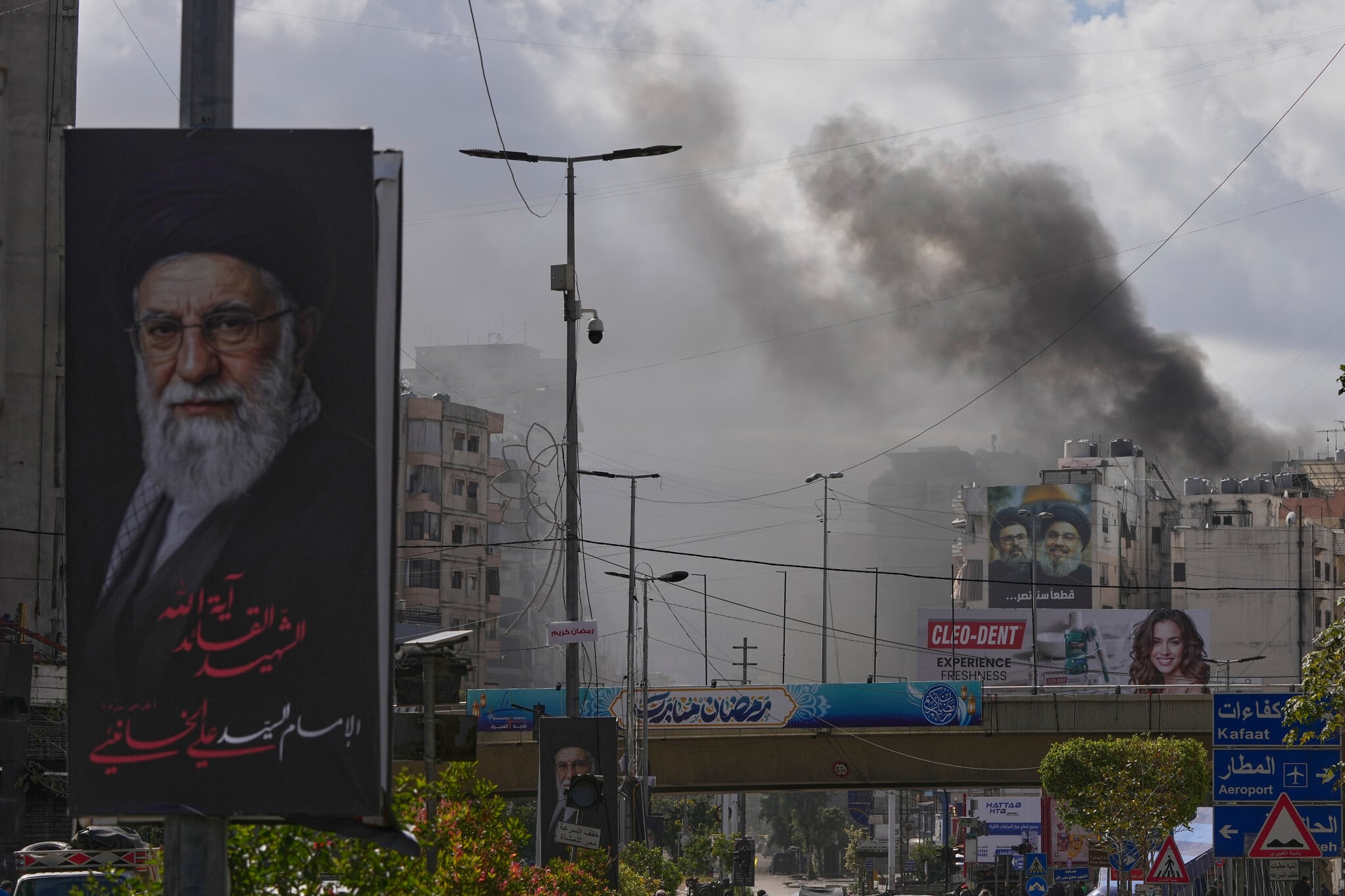
A portrait of Iran’s late Supreme Leader Ayatollah Ali Khamenei, left, is seen, as smoke rises following an Israeli airstrike in Dahiyeh, Beirut’s southern suburbs, Lebanon, Monday, March 30, 2026. (AP Photo/Hassan Ammar)
Iran is firing fewer ballistic missiles than at start of the war
Since the first day of the US-Israeli bombing campaign, officials from both countries have repeatedly pointed to a steep drop-off in Iran’s firing of ballistic missiles as proof that their efforts to destroy launchers and weapons stockpiles were working.
Chairman of the Joint Chiefs of Staff Gen. Dan Caine told reporters on March 4 that Iran’s “ballistic missile shots fired are down 86 percent from the first day of fighting and their one-way attack drone shots are down 73%.” At a press briefing two weeks later, Hegseth said the volume of Iran’s ballistic missile attacks had dropped “90% since the start of the conflict.”
On Tuesday, Hegseth told reporters at the Pentagon that in the past 24 hours Iran had fired its “lowest number” of missiles and drones, though neither he nor Caine gave any updated percentages. Trump said Tuesday on Truth Social that “Iran has been, essentially, decimated.”
Claims of a slowdown in Iranian strikes are backed up by independent data from Armed Conflict Location & Event Data (ACLED), a US-based group that tracks conflicts around the world.

A man inspects the wreckage of an Iranian missile that landed near the West Bank village of Marda, March 31, 2026. (AP Photo/Majdi Mohammed)
On March 1, the second day of the war, Iran fired off almost 100 strikes. The next day, its strike count dropped to 53 and it hovered at that rate for the next few days. In the three and a half weeks since March 6, ACLED data shows Iran hasn’t fired more than 50 strikes on any given day. A “strike,” in ACLED’s methodology, can include multiple individual strikes in the same location on the same day.
Iran has maintained an average of 30 strikes each day for the last three weeks, and at various points it has picked up its tempo of attacks.
“That makes me question whether it’s a capacity issue or a strategy issue,” Grieco said of the initial decline in Iran’s strike rate. In other words, Iran may not be running out of firepower as much as deliberately rationing its missiles and drones.
Iran fires more drones that are harder to intercept
The ACLED data shows that some 40% of Iran’s salvos across the region are breaking through air defenses, signaling strain on American and Israeli supplies of interceptors. Iran has been deploying fewer missiles but more low-flying drones that are harder to intercept.
“We are vaporizing billions of dollars in long-range anti-missile defenses, which are scarce national resources,” said Tom Karako, the director of the Missile Defense Project at the Washington-based Center for Strategic and International Studies.
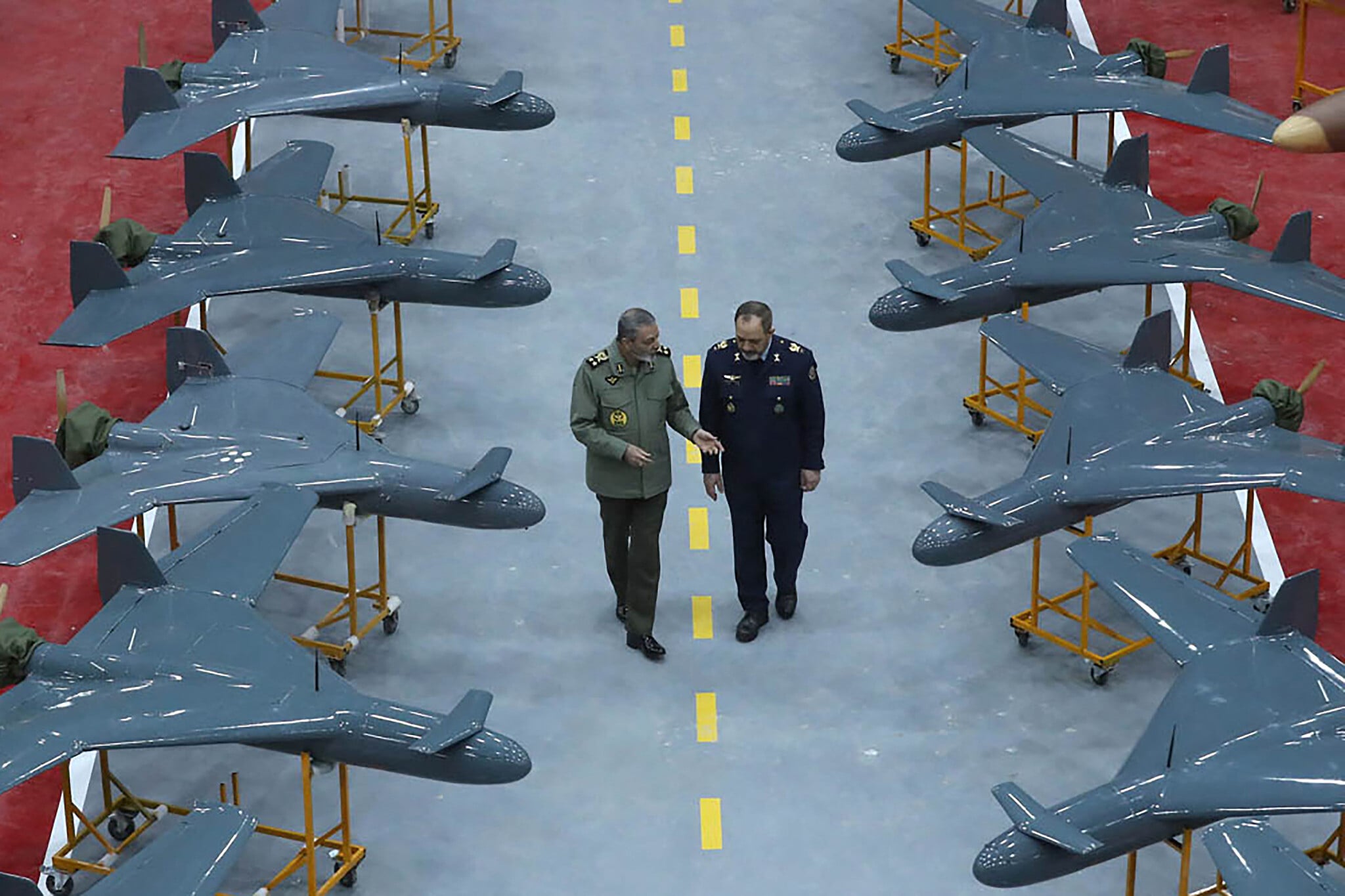
This handout picture released by the Iranian Army Office on January 13, 2025 shows Iran’s Defence Minister Brigadier General Aziz Nasirzadeh (right) speaking with Iran’s army commander-in-chief General Abdolrahim Mousavi during a delivering ceremony of unmanned aircrafts system (UAS), commonly known as drones, to Iran’s army by the country’s ministry of defense, in Tehran. (Iranian Army Office / AFP)
The danger, Karako said, is that the US and Israel could run out of interceptors before they are able to take out the rest of Iran’s missile stockpiles and mobile launchers — an objective that has proven “maddeningly difficult.”
Over a month into the war, Trump administration officials continue to refer to the first 72 hours as their point of comparison for claims about Iran’s crippled capacity.
“A good percentage of Iranian missiles, at least half of the arsenal, is stored in very hardened facilities that are not easily reachable with air power,” said Farzin Nadimi, an expert on the Iranian missile program at The Washington Institute. “It looks like the Americans and the Israelis have been underestimating some level of complexity.”
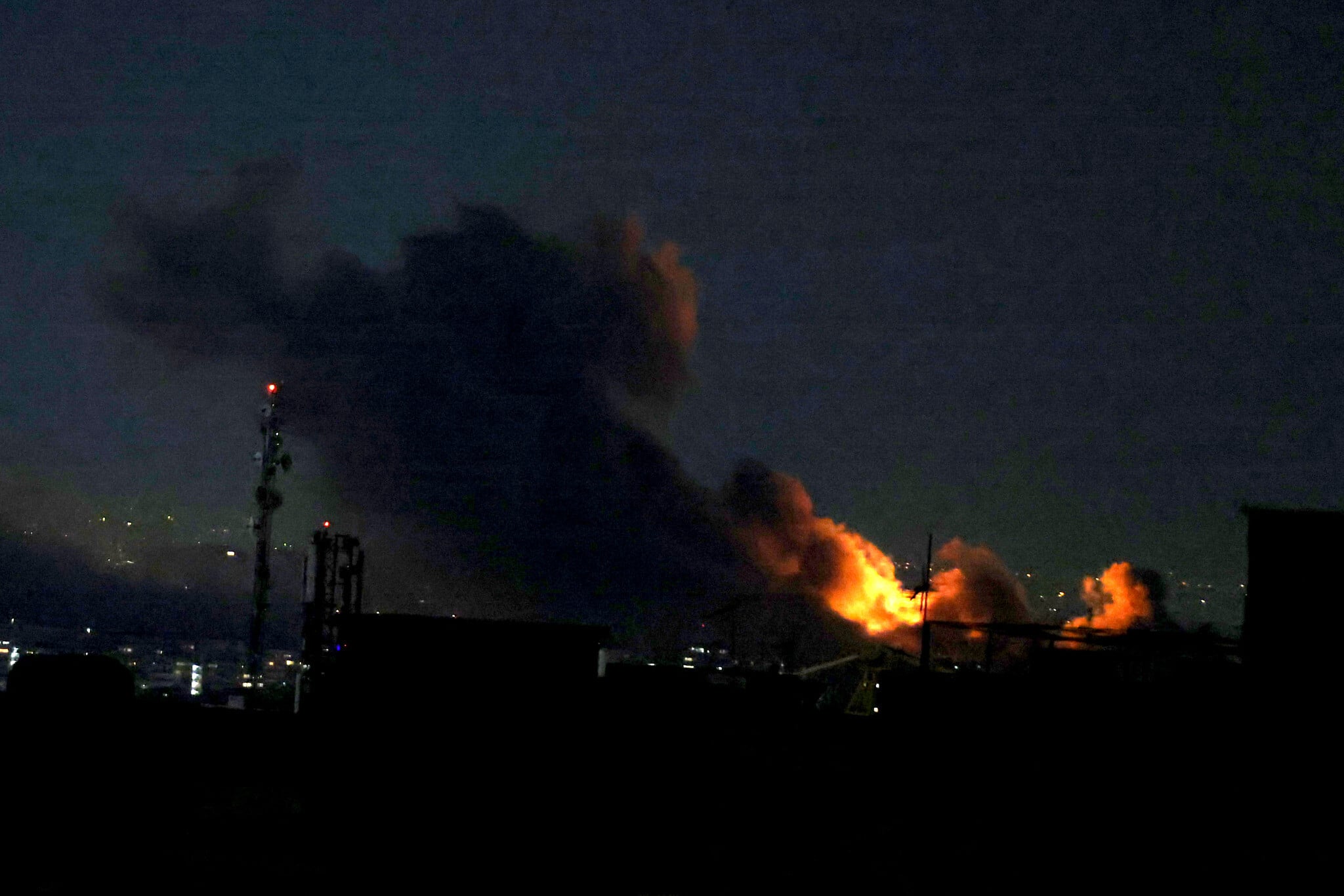
A plume of smoke rises from the site of a strike in Tehran on March 29, 2026. (ATTA KENARE / AFP)
Experts say Iran focuses its attacks to cause economic harm
Contrary to Hegseth’s characterization of the Iranians as “flailing recklessly” by striking civilian and energy infrastructure across the Arabian Peninsula, analysts say Tehran appears to have fine-tuned its timing and targets to maximize damage.
“They have been able to strike targets more efficiently and therefore use fewer missiles to achieve the same result,” Nadimi said.
Iran has increasingly concentrated its firepower on sensitive sites like oil pipelines and water desalination plants across the Persian Gulf in a bid to impose a settlement on the US, hitting nearby states like the United Arab Emirates and Kuwait hardest. Last week, Iran fired ballistic missiles and drones at a Saudi air base, wounded more than two dozen US troops and damaging aircraft.
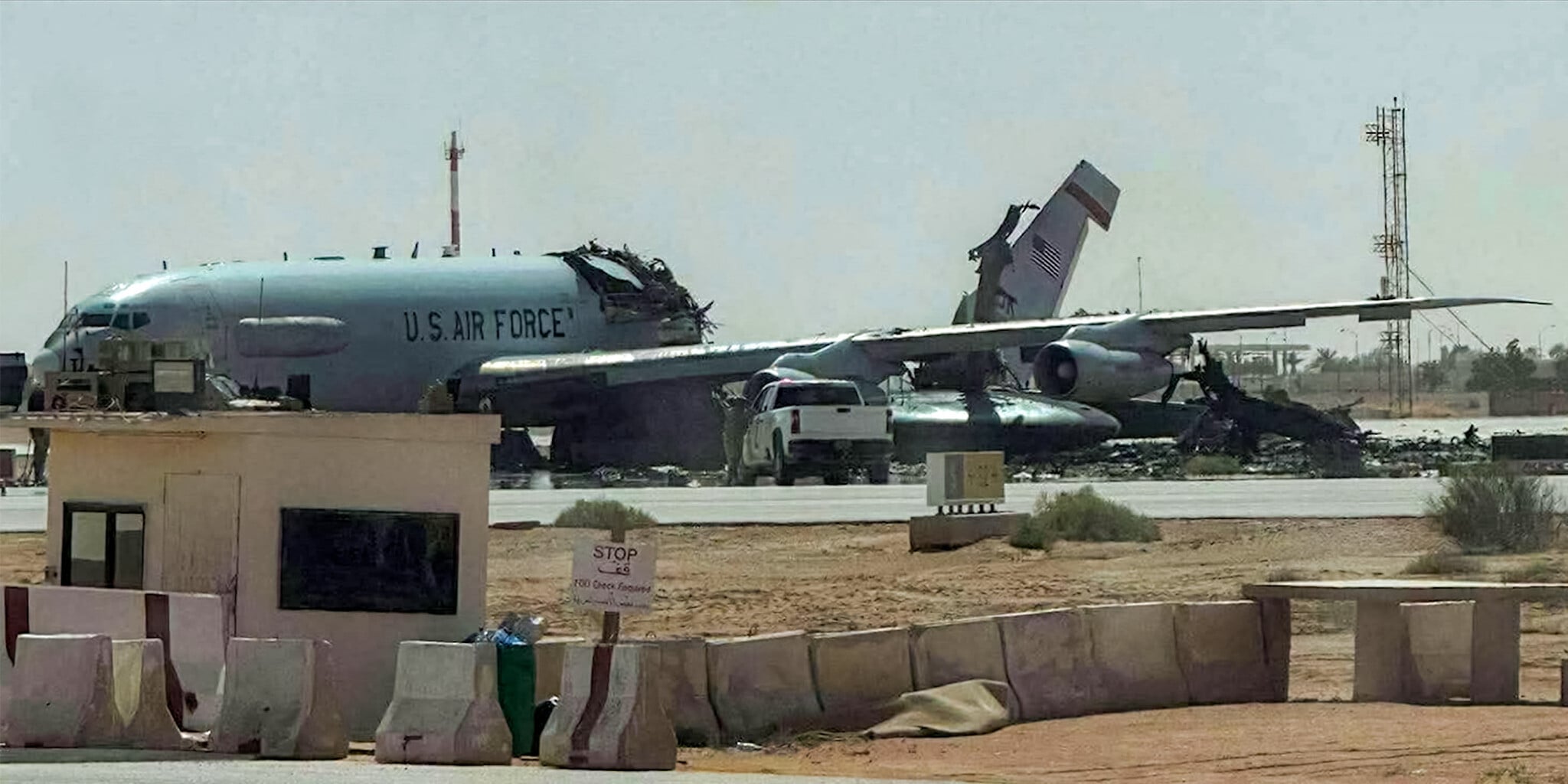
This UGC image posted on social media on March 29, 2026 and verified by AFP staff appears to show a destroyed US Air Force Airborne Warning and Control System (AWACS) aircraft, primarily used for air traffic control, in the aftermath of a projectile strike at Prince Sultan Airbase in Saudi Arabia. (UGC / AFP)
“In this asymmetrical war, the most important thing for Iran is attack the world economy in hopes of coercing the US to stop,” said Assaf Orion, a retired Israeli brigadier general and senior researcher at the Institute for National Security Studies. That has become more important to Iran than attacking Israel, which views this war as existential and won’t be dissuaded, he added.
How long Iran can sustain its current level of retaliation remains unclear, as US and Israeli intelligence on Iran’s missile and drone inventory is limited.
Military experts from both countries offer varying estimates on the remaining arsenal, but agree that Iran most likely still has thousands of cheap, locally manufactured drones that it can deploy to menace US allies even if much of its midrange ballistic missile capacity has been destroyed.
“Iran built itself to be able to ride a war like this out,” said Karako. “It has been preparing for this.”
You appreciate our wartime journalism

You clearly find our careful reporting of the Iran war valuable, at a time when facts are often distorted and news coverage often lacks context.
Your support is essential to continue our work. We want to continue delivering the professional journalism you value, even as the demands on our newsroom have grown dramatically during this ongoing conflict.
So today, please consider joining our reader support group, The Times of Israel Community. For as little as $6 a month you’ll become our partners while enjoying The Times of Israel AD-FREE, as well as accessing exclusive content available only to Times of Israel Community members.
Thank you,
David Horovitz, Founding Editor of The Times of Israel