
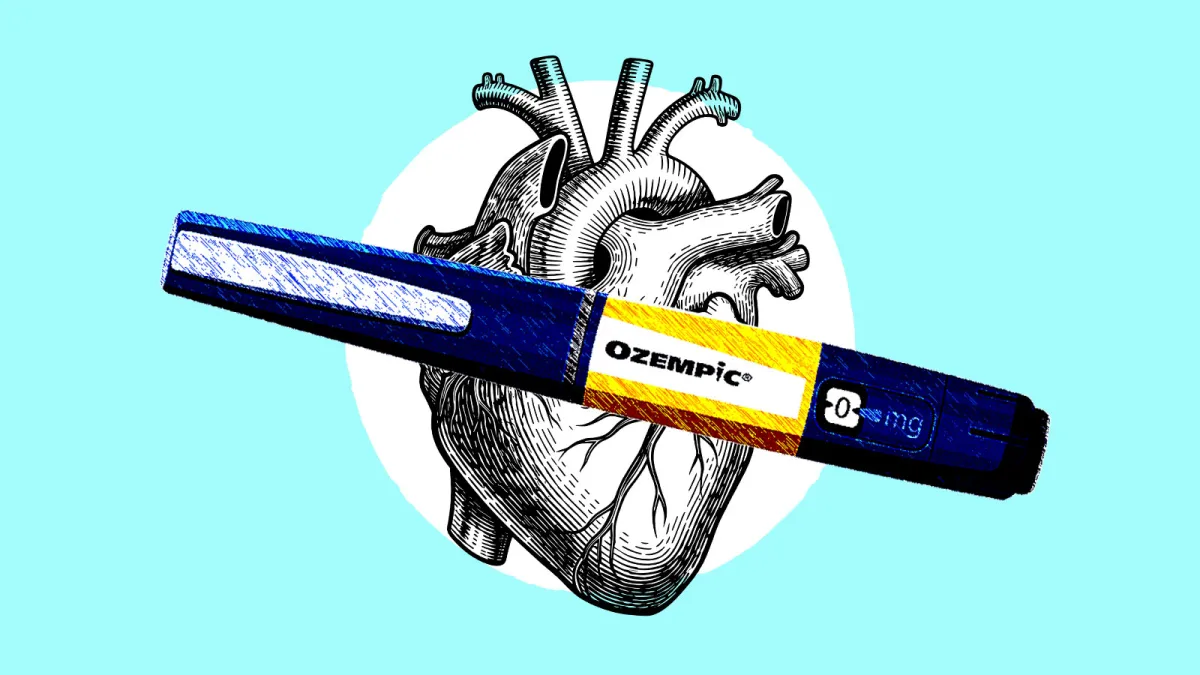
More than one million adults with heart disease will be prescribed Wegovy on the NHS, under a new drive to stop them dying of heart attacks and strokes.
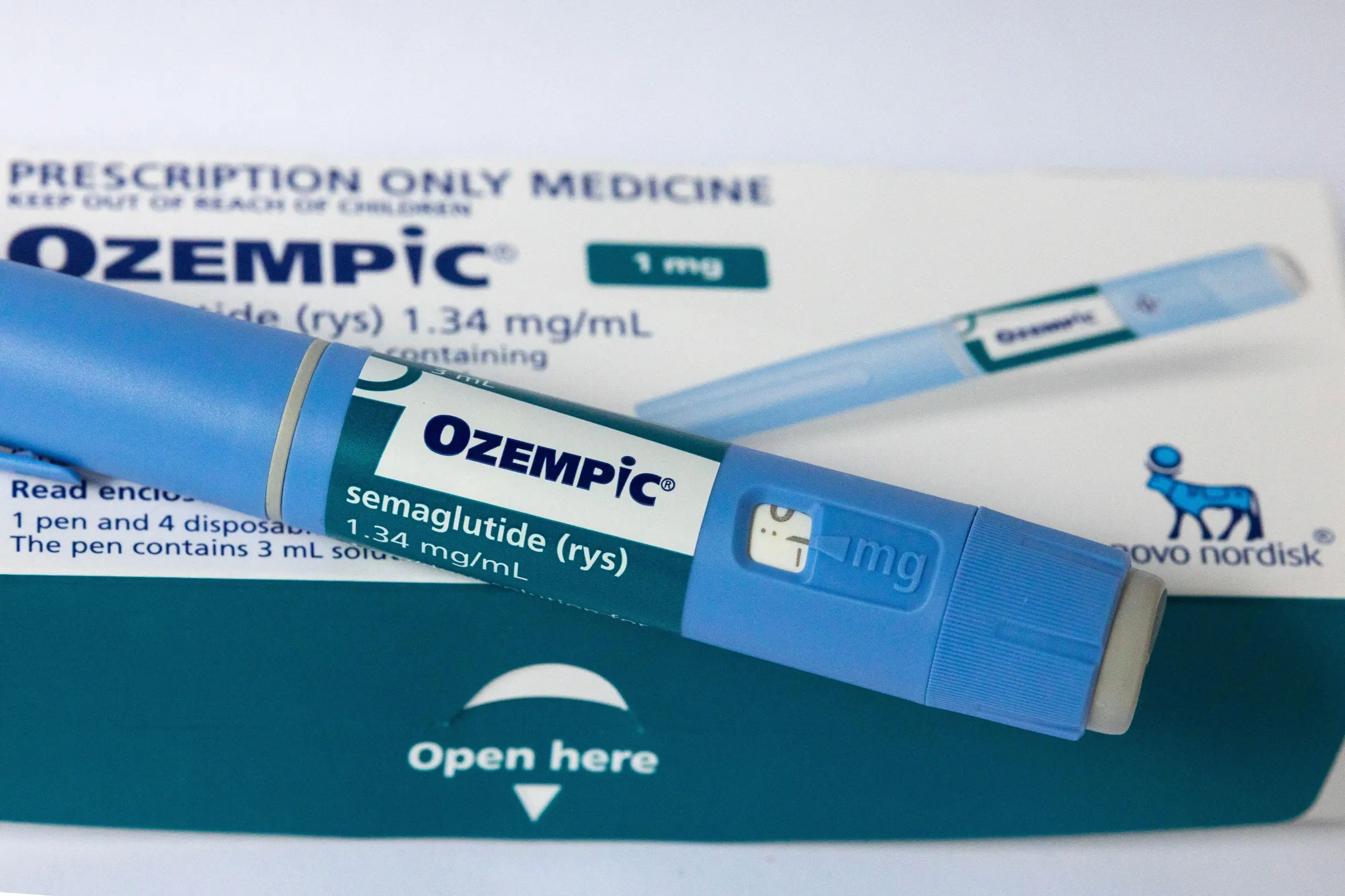
The health watchdog Nice has recommended the roll out of semaglutide — known by brand names Ozempic or Wegovy — to patients with heart problems, even if they are not obese.
It follows a major trial, involving 17,604 people, which showed semaglutide cuts the risk of death from heart problems by 20 per cent regardless of how much weight people lost.
About 1.2 million people who have previously had a heart attack or stroke will be eligible for Wegovy on the NHS from this summer, alongside existing heart medications such as statins.
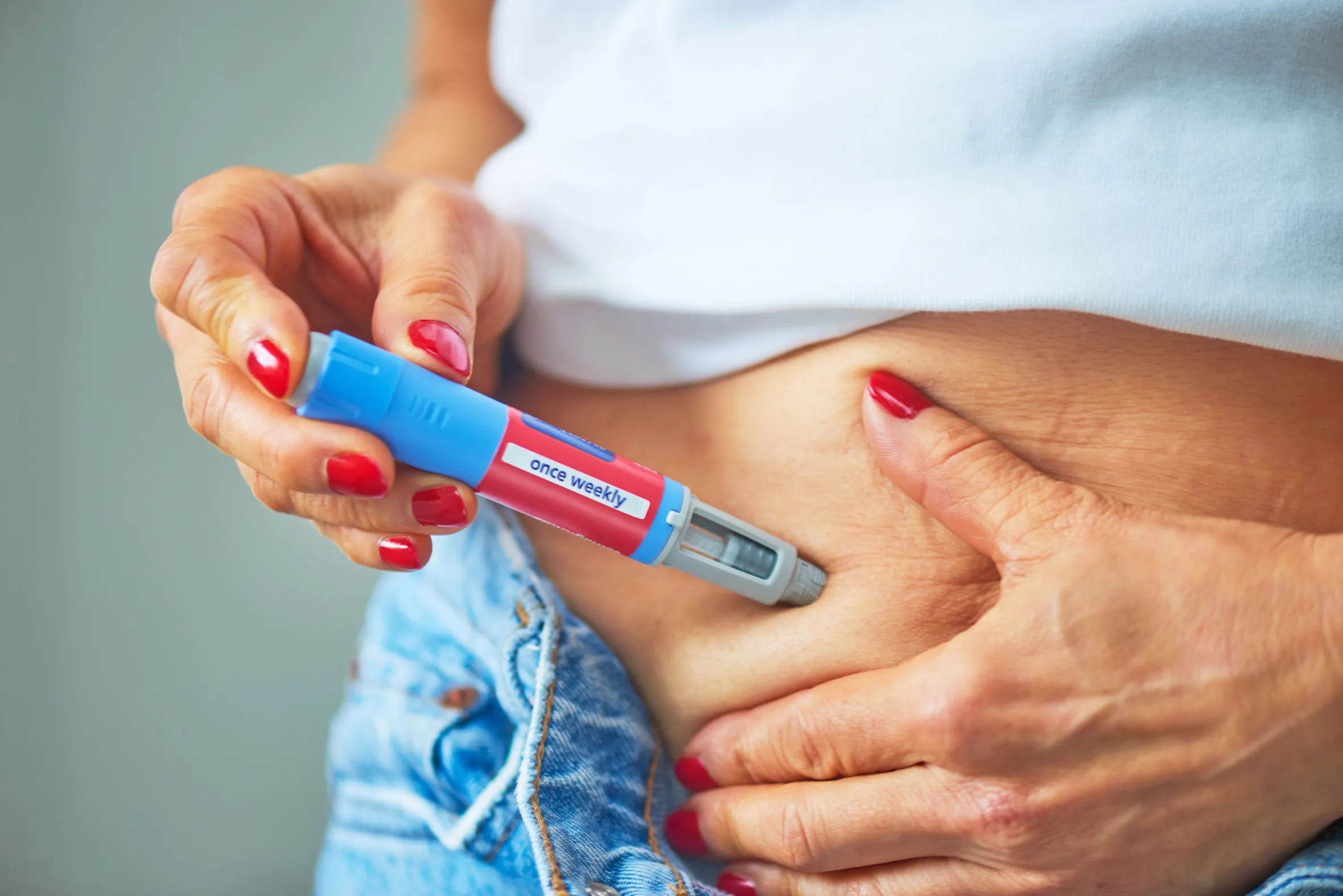 Nice has recommended the rollout of semaglutide — known by brand names Ozempic or WegovyPeter Dazeley/Getty
It is the first time weight-loss jabs, known as GLP-1 agonists, have been recommended on the NHS for treating something other than obesity and diabetes.
The drug will be an option for patients with heart disease and a Body Mass Index (BMI) of 27, which is the average BMI in the UK and makes people slightly overweight but not obese.
It will lead to a rapid expansion of people eligible for Wegovy on the NHS, as the rollout had previously been limited only to about 50,000 people who are severely obese.
Experts believe semaglutide acts directly on the heart and blood vessels to reduce the risk of heart attacks and strokes, which are much more likely to occur in people who have already suffered one.
They described the decision to prescribe a weight loss jab for preventing heart attacks and strokes as a genuine “win-win”, saying the move could be a “major turning point in the battle against obesity”.
The NHS said it had struck a deal with Novo Nordisk, the Danish firm which makes semaglutide, which makes the treatment cost-effective for use on the health service.
Helen Williams, national clinical director for cardiovascular disease prevention at NHS England, added: “For more than a million people at high risk of heart attack and stroke, this treatment on the NHS could be life-changing — offering a powerful new way to protect their hearts and improve their health.
“We know that people who have already had a heart attack or stroke face a much higher risk of having another.
 Alamy
Alamy
“Used alongside a healthy diet and regular exercise, semaglutide could help prevent thousands of future major cardiovascular events and give many people the chance at a longer and healthier life.”
Helen Knight, director of medicines evaluation at Nice, said: “We know that people who have already had a heart attack or stroke are living with real fear that it could happen again,” said
“The evidence from the clinical trial is compelling. It showed that people taking semaglutide alongside their existing heart medicines were significantly less likely to have another heart attack or stroke.”
Over eight million people in the UK are living with heart and circulatory conditions, and these diseases are responsible for around a quarter of all deaths each year, equivalent to around 170,000 deaths annually.
While survival after heart attacks and strokes has improved, an ageing population means that the overall number of people living with cardiovascular disease is expected to keep growing. Nice said that, when used to prevent a recurrence of heart attacks and strokes, then “semaglutide provides benefits and value for money, so it can be used routinely across the NHS”.
Dr Sonya Babu-Narayan, clinical director at the British Heart Foundation, said: “So-called ‘weight loss drugs’ like semaglutide have proven benefits beyond reducing the number on the scales — they are now considered important medicines for preventing deadly heart attacks and strokes.
 Dr Sonya Babu-NarayanNHS Royal Brompton Hospital
“Today’s guidance will no doubt help save lives as cardiovascular disease is still one of the country’s biggest killers.”
Juliet Bouverie, chief executive of the Stroke Association, said: “As stroke survivors live with the worrying threat of further strokes, it’s vital they have options to help prevent that from happening, which suit their own circumstances.
 Juliet Bouverie
“As many survivors can be left with disabilities which reduce movement, weight loss medication could be a suitable option for them, when recommended by a medical professional.”