
Photographs on local media show mountains engulfed by flames, with some residents likening the blazes to “volcanoes erupting”, according to local news outlet Khaosod.
Earlier this week, authorities ordered the closure of parks with high fire risk and warned that anyone found entering those areas to start fires would be arrested immediately.
In Thailand, those convicted of illegal forest burning face up to 20 years in prison and a 2m baht ($61,100; £46,200) fine.
Exposure to haze can cause various health issues, from itchy eyes and nose bleeds to heart attacks.
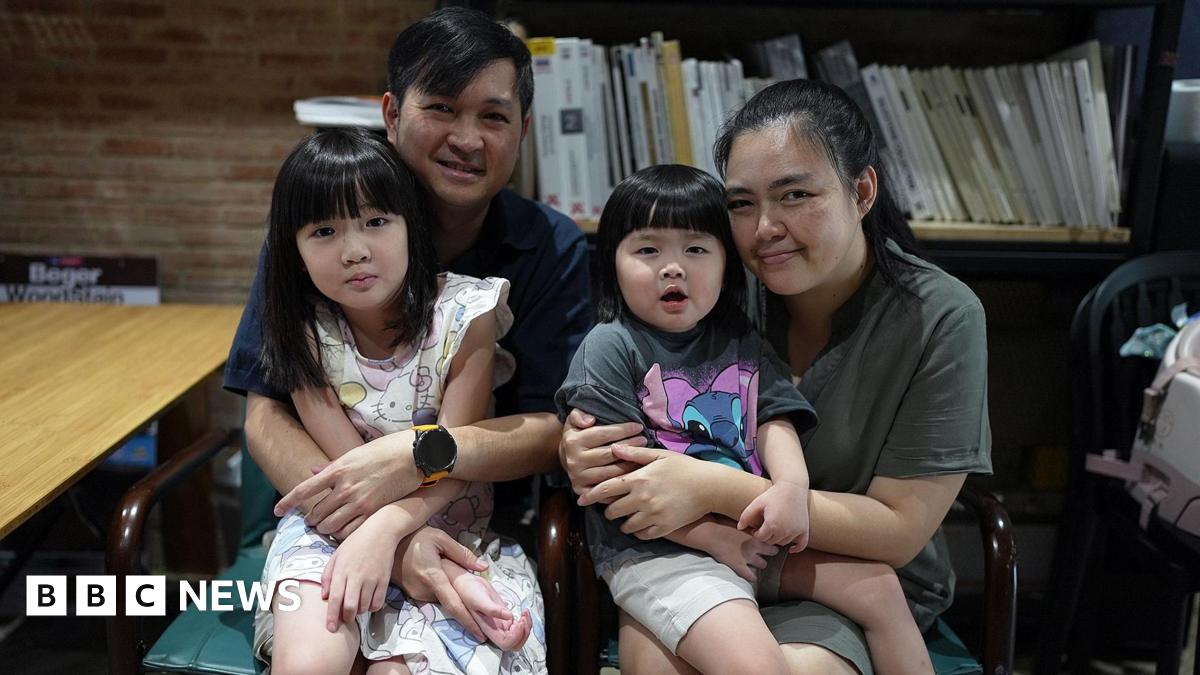
Tirayut says his oldest daughter, six, “had nosebleeds, a rash, and an allergic reaction in her eyes, to the point where her eyelids were swollen”.
Benjamas Jaiparkan has sent her children to the neighbouring Phayao province, where the air quality is better, to temporarily live with relatives. But the 35-year-old is thinking of leaving Chiang Mai permanently.
Benjamas, a public school teacher, is especially worried about her four-year-old son, who started getting nosebleeds last year.
“I feel so sorry for him because I don’t know how much more his lungs can take,” she said.
Over the years, activists and residents in Thailand have filed lawsuits to demand government action against pollution.
In July 2023, about 1,700 people in Chiang Mai brought a case against former Prime Minister Prayut Chan-o-cha and two state agencies for failing to exercise their authority to reduce pollution in the north, which they say was shortening each of their lives by about five years.
In January 2024, a Chiang Mai court ordered the government to come up with an emergency plan to improve air quality within 90 days.
Hazardous haze has also been choking people elsewhere in South East Asia, with the most number of hotspots flaring up across Malaysia and Indonesia in seven years.