
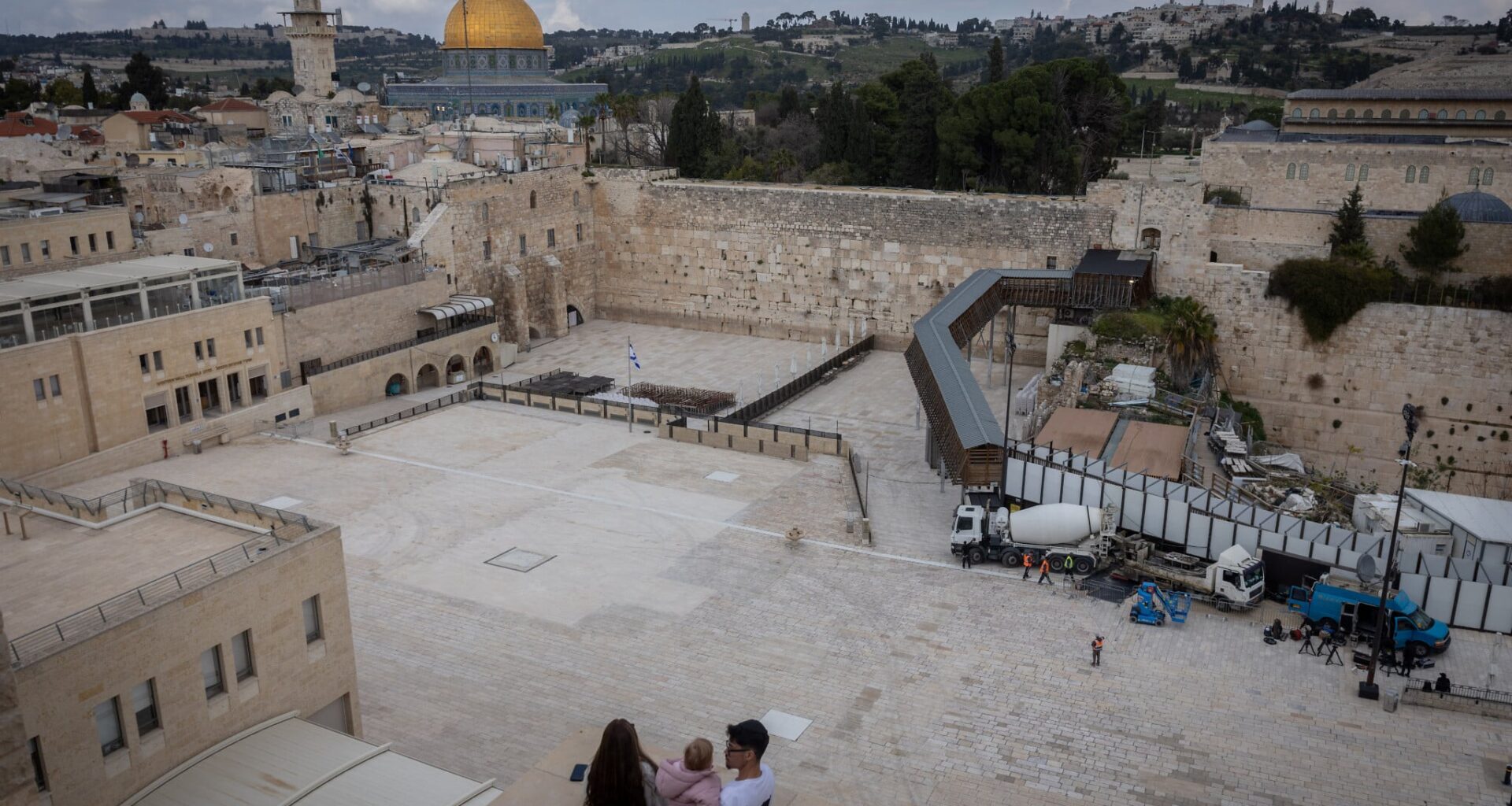
This Editor’s Note was sent out earlier Wednesday in ToI’s weekly update email to members of the Times of Israel Community. To receive these Editor’s Notes as they’re released, join the ToI Community here.
Signs are that the month-long US-Israel military campaign against the Islamic Republic of Iran is drawing to a close.
US President Donald Trump, set to address the American people on Wednesday night, specified on Tuesday that it was “coming to an end,” whether or not there is a deal with the Iranian leadership. Trump also declared that Iran’s surviving 450-kilogram stockpile of near-weapons-grade uranium — constituting its swiftest path to the bomb — no longer concerned him at all, since it was essentially inaccessible, “so deeply buried it’s going to be very hard for anybody” to reach it.
His vice president, JD Vance, remarked at the weekend that “you could make a good argument we’ve accomplished all of our military objectives.”
The Times of Israel reported on Monday that Israel’s defense establishment had entered what it is calling the “completion phase” of its war goals — meaning, wrote our military reporter Emanuel Fabian, that “it believes it has largely achieved its objectives of degrading Iran’s military capabilities and creating the conditions for the Iranian regime to fall.”
Get The Times of Israel’s Daily Edition
by email and never miss our top stories
By signing up, you agree to the terms
And Prime Minister Benjamin Netanyahu, in a gung-ho recorded speech to Israelis on Tuesday night, proclaimed that, having removed the “immediate threat” of Iran attaining a nuclear weapon and tens of thousands of ballistic missiles last June, the current campaign has seen the US and Israel “smashing the industrial capability of the regime to produce these tools of destruction.”
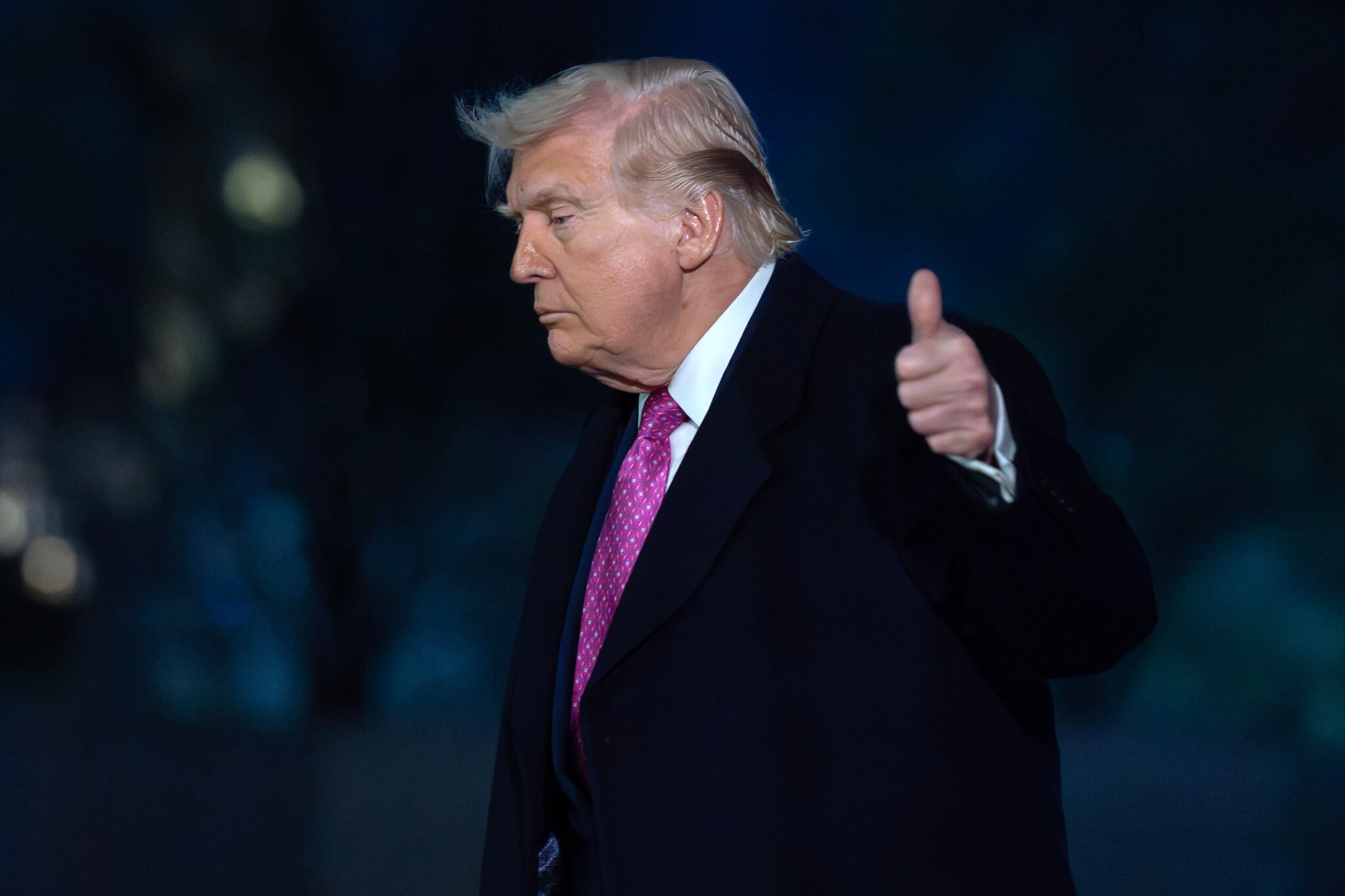
US President Donald Trump waves to the media as he walks on the South Lawn upon his arrival at the White House, March 29, 2026, in Washington. (AP Photo/Jose Luis Magana)
Of course, Trump being Trump, nothing is certain. The US president also said as recently as Monday that if no deal was reached with the regime, then the US would move ahead with “blowing up and completely obliterating all of their Electric Generating Plants, Oil Wells and Kharg Island (and possibly all desalinization plants!), which we have purposefully not yet ‘touched.’”
If he is disorienting us, he’s hopefully doing a great deal more than that to our enemies.
If he is disorienting us, he’s hopefully doing a great deal more than that to our enemies.
But if this campaign is indeed about to end, the war against the world-endangering Islamic Republic is emphatically not over. Its core goals have not been achieved. And Israel remains on the front line, acutely threatened.
For all that Trump has maintained in recent days that regime change has taken place in Iran, because its hierarchy has been so decimated as to bear no resemblance to the leadership ranks of a month ago, the fact is that the Islamic Republic’s declared ideological and territorial goals have not deviated, and that the very “top man” with whom Trump says he has been interacting, Mohammad Ghalibaf, is every ounce a regime hardliner.
Ghalibaf is a former Islamic Revolutionary Guard Corps commander directly involved in the murderous suppression of domestic opposition, and a “Death to America” cheerleader from his prominent seat as speaker of the Iranian parliament.
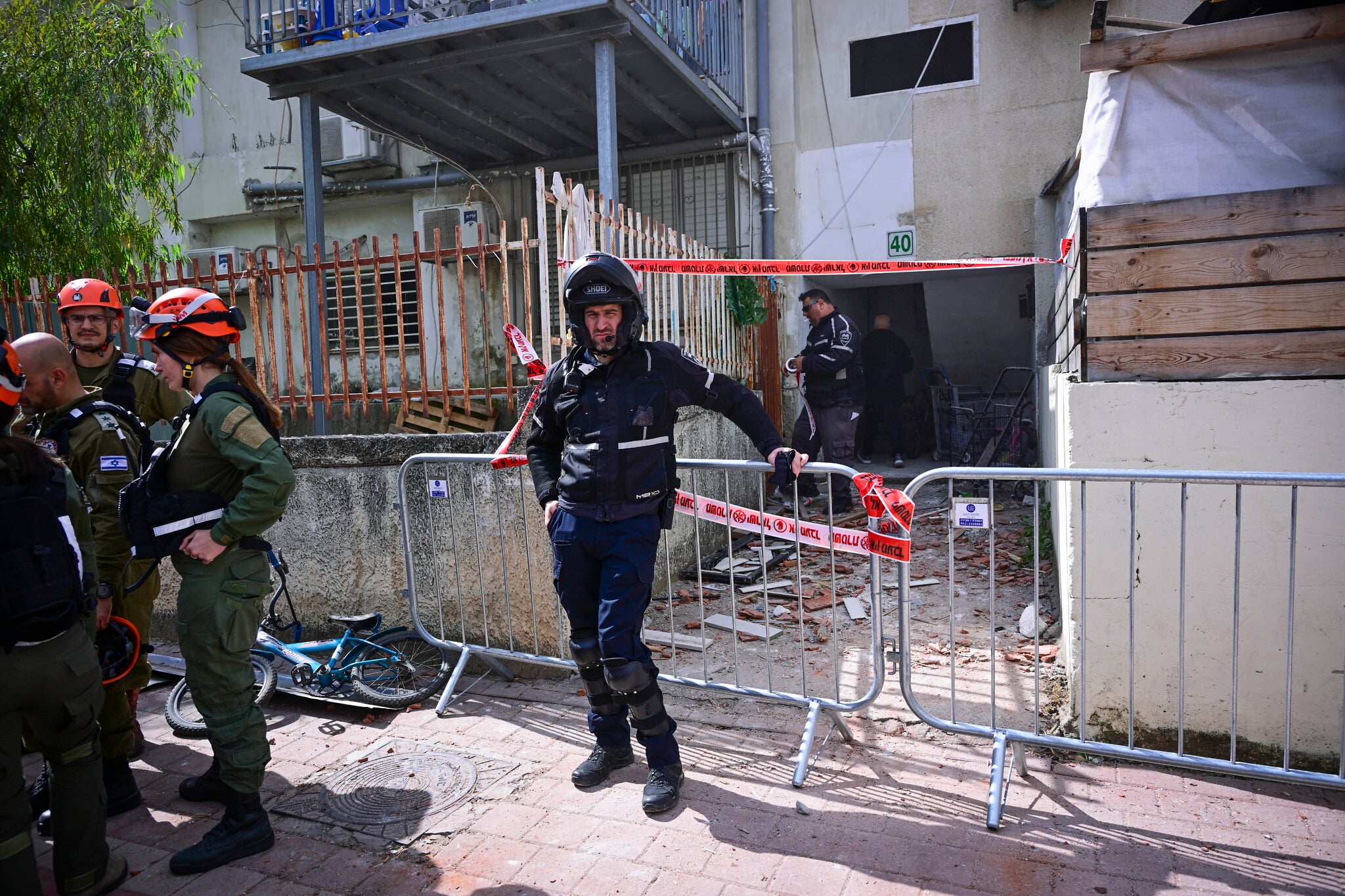
Israeli security and rescue forces at the scene where a missile fired from Iran caused damage in Bnei Brak, central Israel, March 31, 2026. (Avshalom Sassoni/Flash90)
And while the Trump of Tuesday may profess himself unworried by Iran’s retention of its 60%-enriched uranium stockpile, the Trump of the start of the war recognized that the regime had made efforts since the June 2025 war to revive its ostensibly obliterated nuclear program. And he apocalyptically assessed that were this same regime to attain the bomb, it would drop it — on Israel, the region and then the United States. “They would have used a nuclear weapon on Israel and they would have used it on the other neighbors. And then they would have come after us,” he said last week, reflecting on the achievements of last June’s war.
The Islamic Republic will be relentlessly pursuing a nuclear arsenal and the means to deliver and detonate those bombs anywhere and everywhere for so long as it rules Iran
That same regime further revealed itself in the course of the past month’s fighting to be willing and able to batter regional states with which it had no particular quarrel. And it showed itself to have lied about the range of its ballistic missiles, which it demonstrated (when firing at Diego Garcia, 2,500 miles away) can now reach Europe, with the US mainland doubtless the next goal. In other words, the Islamic Republic has been and will be relentlessly pursuing a nuclear arsenal and the means to deliver and detonate those bombs anywhere and everywhere for so long as it rules Iran.
Indeed, it is highly likely that the regime will henceforth accelerate its bid for the bomb, without even the veneer of theological constraint, given the ever-greater dominance of the IRGC in the wake of Ali Khamenei’s elimination, and given the lessons it will surely have learned from this campaign about its vulnerability to attack as a non-nuclear power and its invulnerability should it attain a nuclear capability.
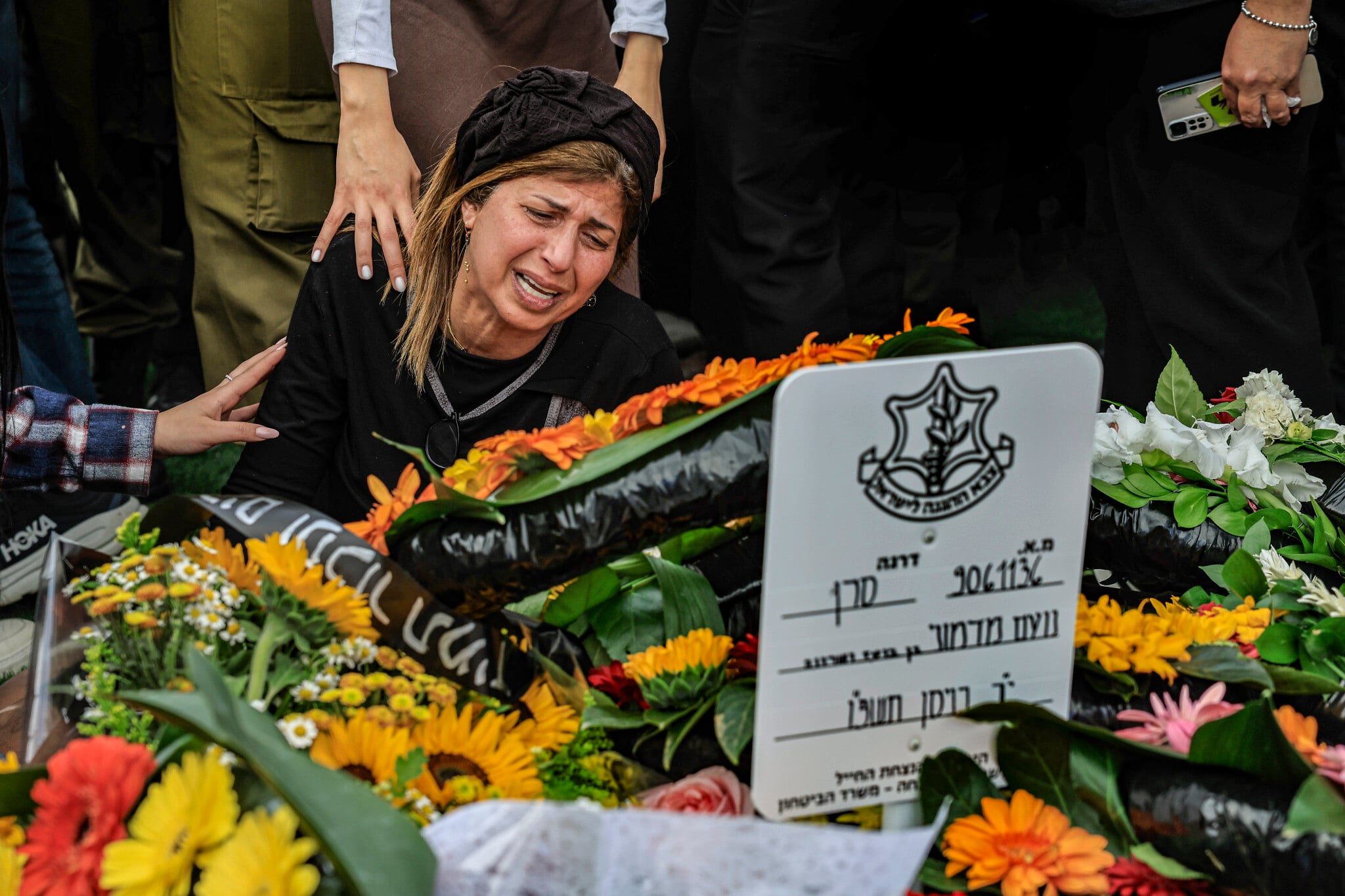
Sharon Madmoni, whose son, IDF soldier Cpt. Noam Madmoni was killed fighting Hezbollah in Lebanon on March 31, 2026, mourns at his funeral at the Sderot Military Cemetery. (Tsafrir Abayov/Flash90)
Moreover, the current fighting has shown that even the most degraded of Iran’s proxies, Hezbollah, its leadership destroyed, its operatives hard-hit, its rocket and missile capabilities reduced by 80%, its standing within its Lebanon host country weakened, was nonetheless able to regroup under Israel’s nose and batter the north of Israel, and IDF troops across the border, day after day after day with thousands of rockets.
Meanwhile, the quiet from Gaza was not the helpless silence of a broken or destroyed Hamas, but a deceptive hush, carefully maintained by that reviving terrorist government, as it unobtrusively continues its recruiting and rearming while most of Israel’s attention has focused on Iran and Lebanon.
Actual regime change in the case of Iran requires the replacement not of one group of leaders by another with the same goals and ideology, but by a leadership that serves the interests of the Iranian people, boosts regional stability, and seeks a peaceable approach to the rest of the world
Finally, the declared goal of both Trump and Netanyahu, of creating the conditions, by the time the US and Israel bombs stop falling, for the Iranian public to take control of their own government, has patently yet to be realized. Semantic game-playing aside, actual regime change in the case of Iran requires the replacement not of one group of leaders by another with the same goals and ideology, but by a leadership that serves the interests of the Iranian people, boosts regional stability, and seeks a peaceable approach to the rest of the world.
No shifting focus
Again, Trump being Trump, this campaign may not yet be over. But the president has plainly been troubled by domestic opposition to the war, and he and his planners evidently underestimated Iran’s predictable capacity to play havoc with world energy needs by utilizing its control over the Strait of Hormuz.
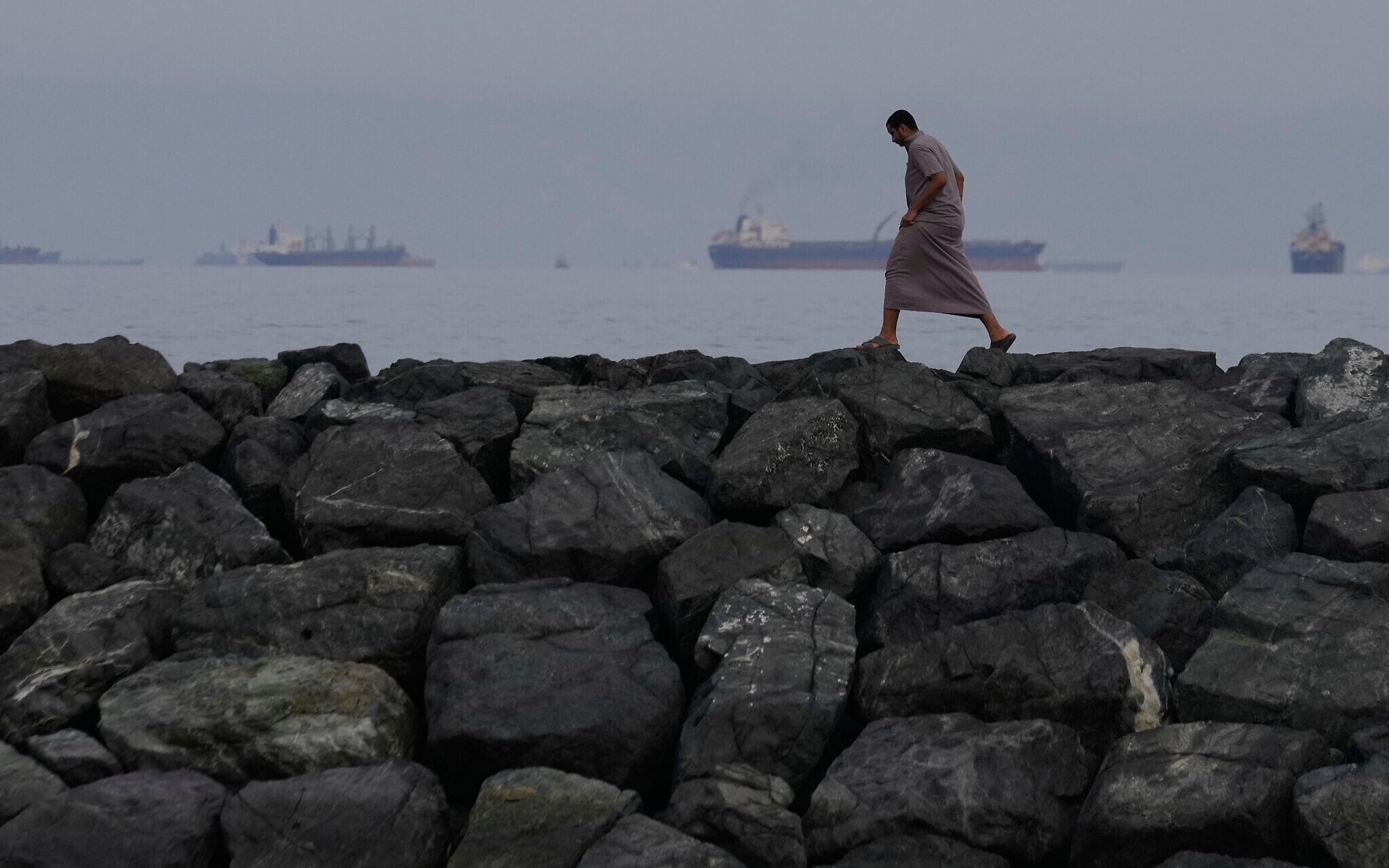
A man walks along the shore as oil tankers and cargo ships line up in the Strait of Hormuz, seen from Khor Fakkan, United Arab Emirates, March 11, 2026. (AP Photo/Altaf Qadri)
Again and again, one must come back to the question of whether there was no serious strategic planning for this conflict — including on thwarting and countering the efforts the regime would make to nullify US and Israeli military supremacy, and on maximizing the chances of a renewed and this time successful Iranian popular uprising.
Was the best hope really the dubious notion of a Kurdish invasion distracting the regime and “breaking the fear barrier” among Iranians who had been mass-murdered in previous weeks — a planned invasion that failed to even set out because word of its imminence leaked in US media?
At the same time, it is extremely reasonable to believe that no US president in the foreseeable future would do as much to curb the Islamic Republic’s terrifying ambitions as Trump has done, at least unless or until the US fully internalizes that the regime genuinely and directly threatens America.
And that, in turn, means that Israel — which most definitely understands the existential nature of the threat — cannot take its eyes off Iran for a millisecond for as long as that regime remains in power. If US involvement in the battle to oust the regime is indeed drawing to a close, for Israel, the war goes on — defensively and offensively.
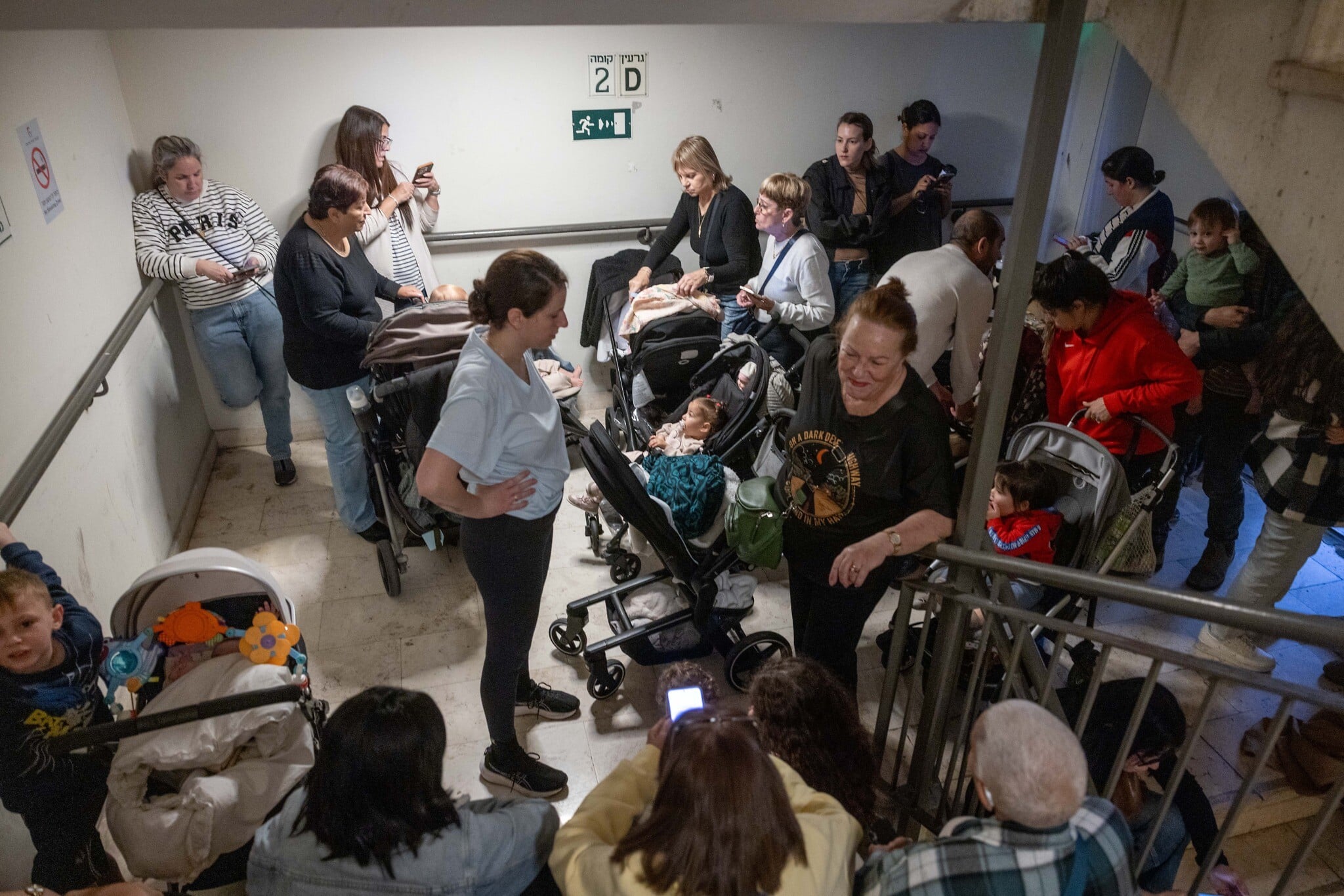
Israelis take cover in a public bomb shelter as a siren warns of incoming missiles fired from Iran, March 31, 2026. (Miriam Alster/Flash90)
And whatever behind-the-scenes understandings have been and are being reached between the two governments, there can be no question of Israel committing to any deferential restraint as and when it recognizes the imperative to counter the regime’s genocidal ambitions against our state.
The war for freedom
On Wednesday night, Jews in Israel and worldwide mark the start of Passover, our festival of freedom.
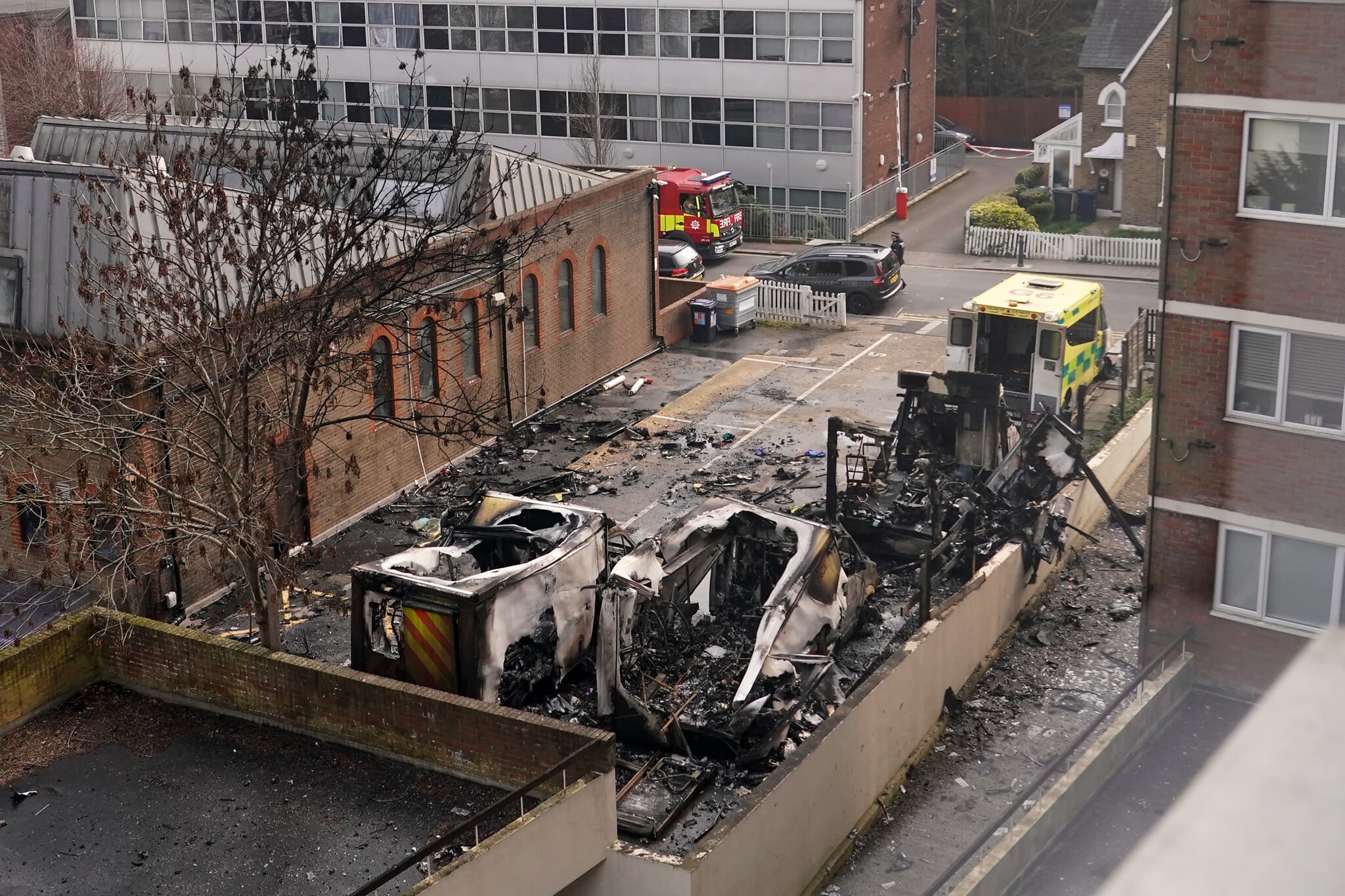
Burnt ambulances in a parking lot at Golders Green in London, March 23, 2026, after an arson attack on four vehicles belonging to a Jewish ambulance service in London. (AP/Alberto Pezzali)
Spiking antisemitism is casting a dark shadow over much of the global Jewish community. Some people are afraid to go to synagogue, wary this year of attending community seders.
And here, dashing for life-saving shelter under relentless missile attack, with loved ones in uniform on the front lines and inside enemy territory, doesn’t feel much like living in freedom.
But that capacity to defend ourselves against our would-be destroyers is an emphatic cause for comfort.
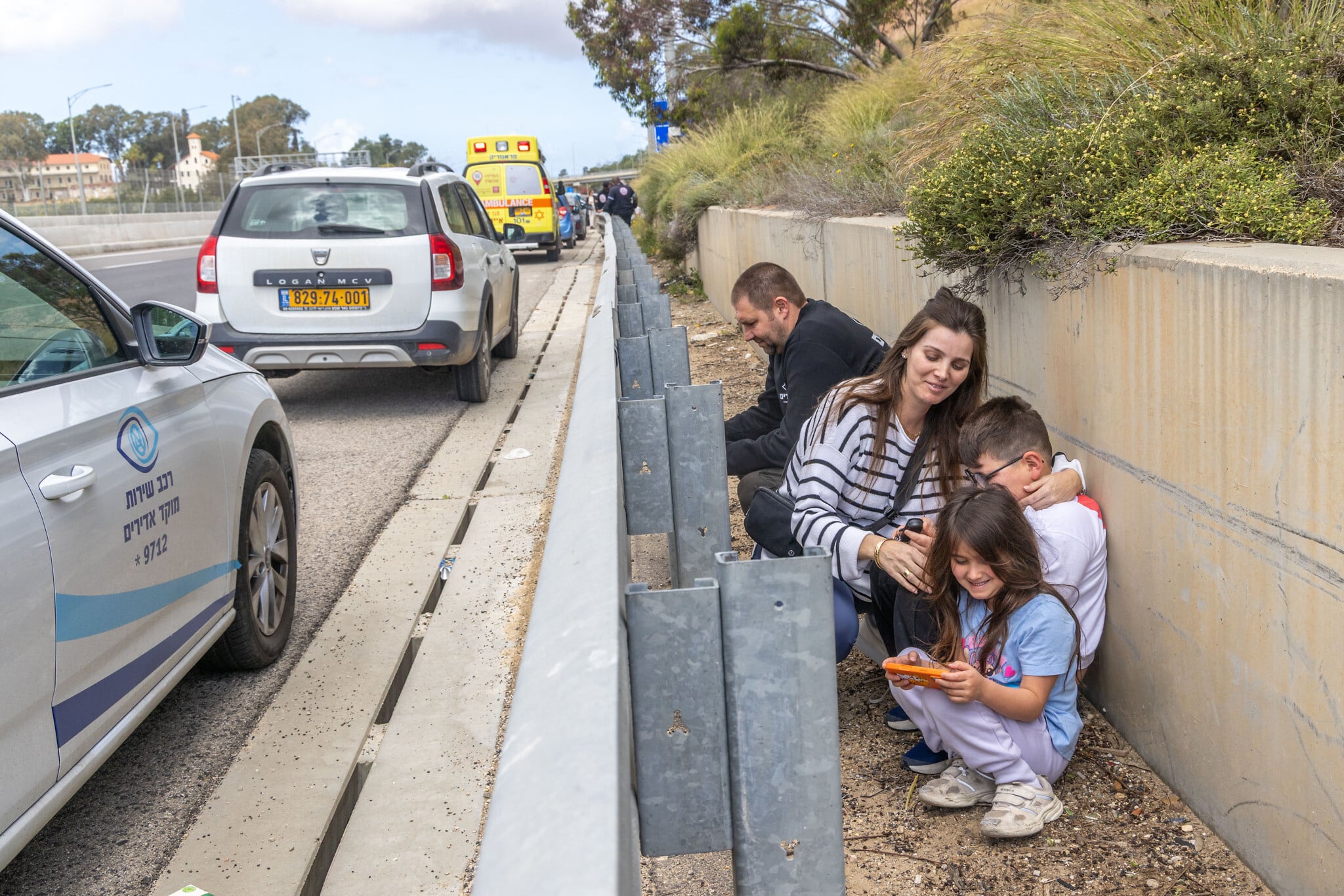
Israelis take cover by the side of the road as a siren warns of incoming missiles fired from Iran toward Israel, March 31, 2026. (Yossi Aloni/Flash90)
Our soldiers’ courage, our people’s resilience, our insistent determination to protect and maintain this renewed, ancient Jewish sovereign state — these are the modern, blessed consequences of ancestral, divinely inspired liberation millennia ago. (Some of those qualities and achievements, it also has to be said, are being maintained despite the cynical, self-preserving wrongheadedness of a government that encourages and finances, from the public purse, the skewing of Jewish values in much of Israel’s “ultra-Orthodox” community, who refuse to share the responsibility of defending the state.)
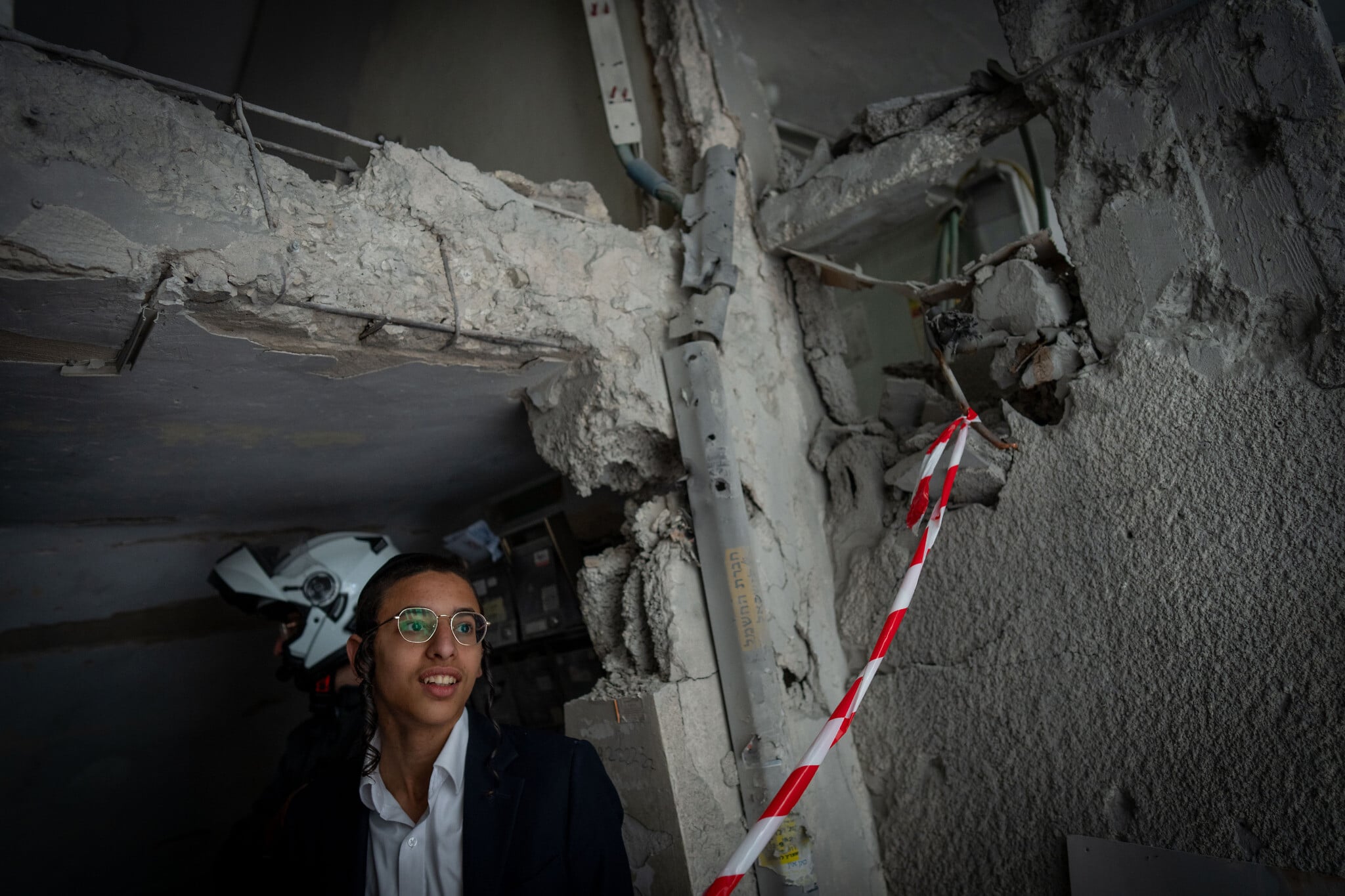
A young local resident at the scene where a missile fired from Iran caused injury and damage in Bnei Brak, an ultra-Orthodox suburb of Tel Aviv, April 1, 2026. (Flash90)
We might also recall that, this time last year, we prayed around the Seder table for the liberation of Israeli hostages from vicious captivity in Gaza. And allow ourselves to celebrate that near-miraculous turn of events less than six months ago in which, after the terrible loss of so many lives, the last 20 living hostages were returned to their families.

Released hostage Omri Miran is reunited with his daughters Roni, 4, and Alma, 2, and wife Lishay Miran-Lavi, at Ichilov Hospital after he was released from Hamas captivity in Gaza on October 13, 2025 (GPO)
The Seder and the Haggadah tale this year, not for the first time of late, is no strained exercise in trying to place ourselves in the headspace of our ancient predecessors — oppressed, yearning for freedom, and ultimately achieving deliverance. It is, rather, a rallying cry to ensure we maintain that liberation, against threats without and within — a reminder of our proven destiny and obligation to be a free nation in our own land.