
Thursday 02 April 2026 5:00 am
| Updated:
Wednesday 01 April 2026 5:44 pm
 Jet fuel has more than doubled in the past year
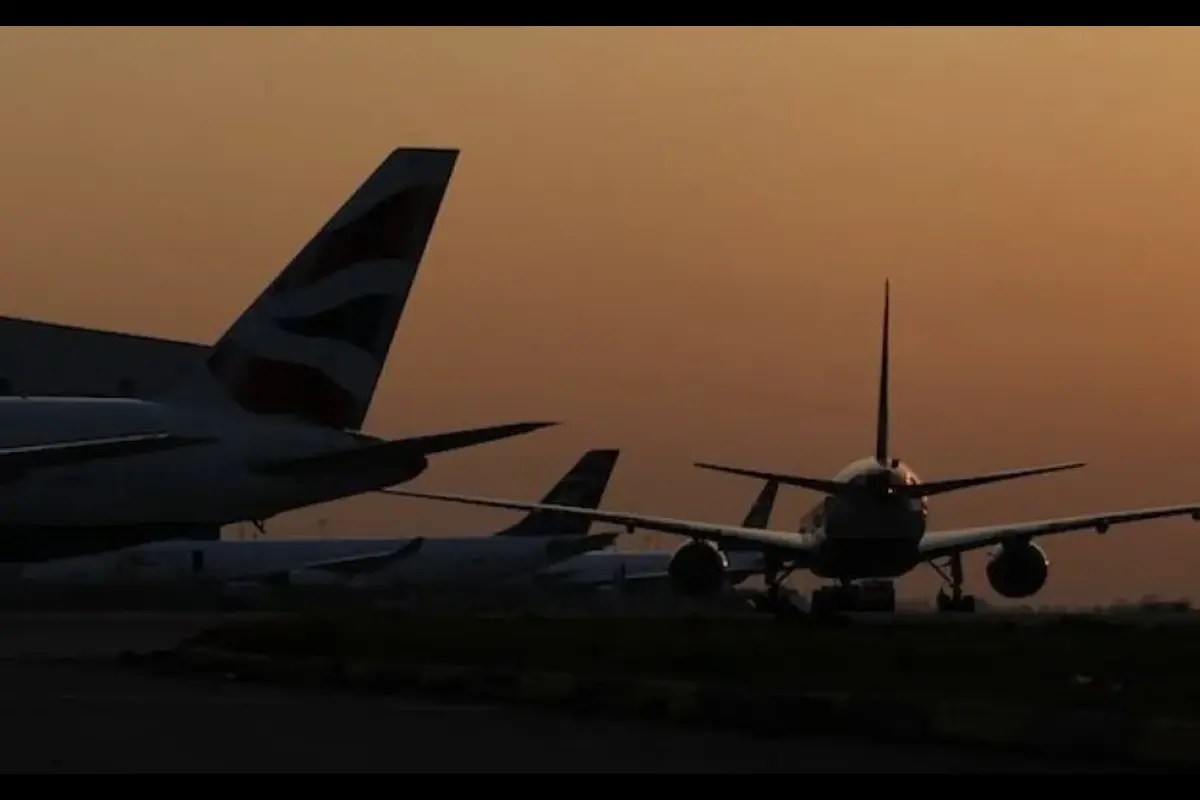
Britain’s airlines face significant disruption in a matter of weeks if the war in Iran continues throughout April, as a global jet fuel shortage has already forced carriers in Asia to slash service levels in a bid to manage supplies.
Major UK-based carriers have said that they have between five and six weeks’ worth of supplies before their reserves will begin to run short as a result of the protracted closure of the vital Strait of Hormuz shipping lane.
Several Asian airlines have already been forced to cancel some routes until as far out as September because of their reliance on fuel from the Persian Gulf which, before the conflict erupted, was responsible for carrying over a quarter of seaborne oil.
Vietnam Airlines has suspended seven domestic routes until further notice, and trimmed the volume of international flights. Korean Air has also moved into an ’emergency management mode’, while Germany’s Lufthansa has told staff it was readying to ground planes in case of a sudden collapse in demand.
British refineries source their oil from a more diverse pool than much of Asia and many airlines have long hedging contracts for jet fuel in place, meaning the UK aviation industry is less exposed than its Asian counterparts. City AM understands that most airlines and jet fuel providers have between five and six weeks’ worth of supply before they have to consider similar measures to their Asian counterparts.
Ryanair boss Michael O’Leary said there was “a risk of supply disruptions in Europe” from the start of May unless oil and gas trade is normalised before then.
“We think… maybe 10 per cent to 25 per cent of our supplies might be at risk through May and June, so like everyone else in the industry we hope the war ends sooner rather than later,” he told Sky News.
City AM understands that British Airways owner IAG has a five to six-week runway until fuel shortages begin to affect its operations. A source close to the airline said there were “no concerns right now” about supplies. Two of the UK’s largest airports also played down fears of the market turmoil hitting operations in the near future.
Industry concerns have been compounded by the skyrocketing jet fuel price, which has nearly doubled in the past month. Refined products like aviation fuel have risen more than the raw material crude because of tighter supplier going into the crisis and refineries have slash their output to preserve efficiency.
Most major airlines are insulated from the immediate impact of the escalating prices thanks to the fixed contracts in place – known as hedging – meaning they have agreed to pay certain price for their fuel into well into late 2026 and beyond. IAG has hedged between 60 and 70 per cent of its fuel for the rest of the year at pre-crisis levels, while O’Leary said that his airline had locked in pre-conflict prices for 80 per cent of supplies.
Despite escalating shortage concerns, London-listed airlines rallied through Wednesday, after Donald Trump predicted US operations in the region would end within three weeks. Ryanair and IAG both climbed over four per cent, while Wizz Air and Easyjet closed up more than five per cent as traders bet on hostilities coming to an end sooner than expected.
A spokesman for Airlines UK said: “UK airlines are currently not seeing disruption to jet fuel supply and continue to engage with fuel suppliers and government to monitor the situation.”
Read more
IAG and Ryanair ‘best equipped’ to manage airlines’ fuel rationing
Similarly tagged content:
Sections
Categories
People & Organisations