
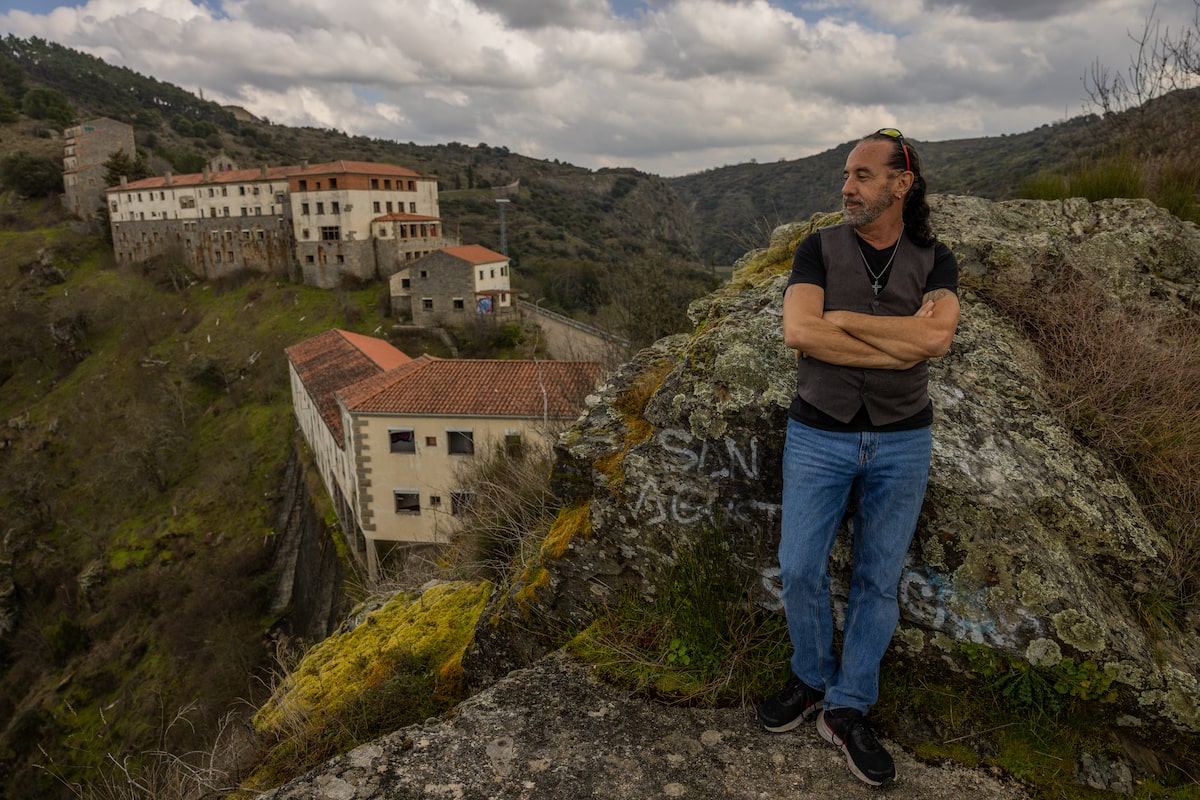
Jason Lee Beckwith smiled as he stood at the altar of the Church of Santiago and surveyed the dilapidated sanctuary.
The floor was strewn with dirt, bits of wood and rubble. The stained glass windows had been smashed ages ago, and part of the roof was missing. The altar was covered in graffiti, as was almost every wall.
Mr. Beckwith, an infectiously upbeat American, could only see the possibilities. He spoke excitedly about plans for a conference space, a recording studio and a new name: the Church of Peace.
He’s the proud owner of the church and everything else in Salto de Castro, a picturesque village in northwestern Spain that’s perched on the side of a mountain overlooking the Duero River, which winds into Portugal. No one has lived here for more than 20 years. Mr. Beckwith is hoping to change that with a new vision for this once thriving community, built in the 1940s for workers constructing two small dams and power stations on the river.
He’s among a growing number of foreigners who are snapping up ghost towns across Spain, Portugal and Italy and turning them into everything from resorts and communes to retreats for digital nomads.
Jason Lee Beckwith now owns Salto de Castro, its church and the graffiti that has accumulated on it over the years. Archival photos in nearby Zamora show what the church looked like in the 1940s, when Salto had a thriving population of hydroelectric workers.
Mr. Beckwith bought Salto for €310,000 ($488,000) – all 44 buildings, two swimming pools, a restaurant, a military barracks and seven cement structures that housed dozens of chicken coops. He wants to create an artistic centre with a spa, a winery and a hostel for tourists of all income brackets.
“This means way too much to a lot of people,” he said of the project and the support he has received. “It’s hope, it’s inspiration, it’s salvation, it’s a return to roots.”
Mr. Beckwith is no big-time developer. He’s a 55-year-old former print shop worker from Niagara Falls, N.Y., with a history of heart attacks and a passion for playing drums in a Kiss tribute band. The way he sees it, Salto cost less than an average home in California, where he and his wife have been living for the past 30 years.
There are plenty of villages to choose from. Decades of rural depopulation emptied out thousands of communities across this part of Europe, as young people left the countryside for better prospects in cities. Spain alone has an estimated 3,000 abandoned villages, and the demand to buy them is heating up.
“The interest has been significant from Day 1,” said Tim Negru, who launched Dublin-based AffordiHome in 2024. He specializes in selling villages and has worked with buyers from the United States, Canada, Europe and the Middle East.
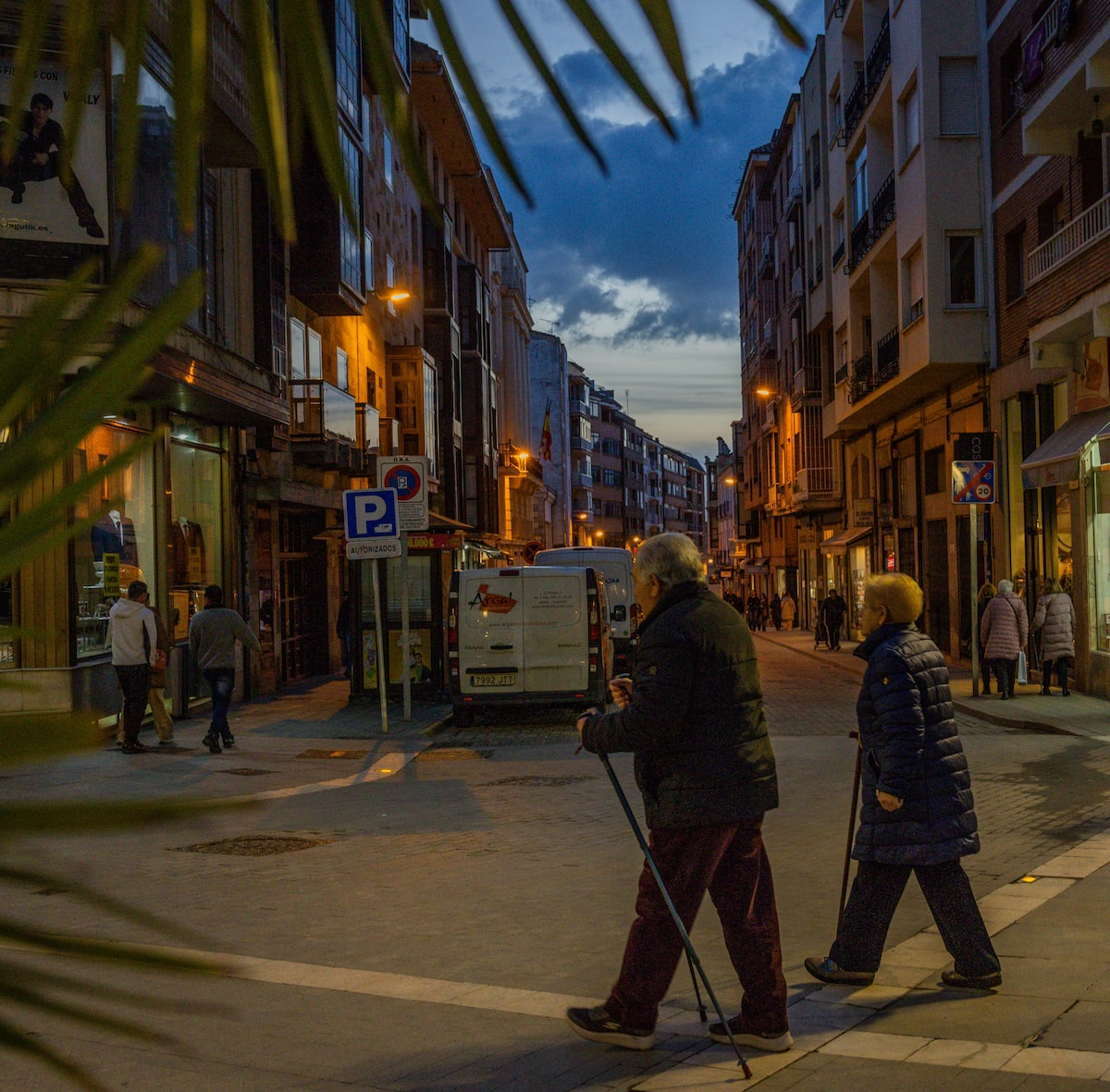
Zamora is the capital and most populous town of the province of the same name, where villages such as Salto have steadily emptied out.
The market is being driven in part by a move away from overcrowded tourist destinations and the backlash against the hordes of visitors in cities such as Barcelona, Lisbon and Venice.
Many travellers are also looking for a slower pace, and agritourism, which blends travel with stays on farms, ranches and wineries, is one of the fastest-growing segments of the travel industry.
“Interest has increased, especially among young people and individuals who want to leave the cities and return to the villages,” said Elvira Fafian, who runs the Spanish website Aldeas Abandonadas Real Estate and has dozens of villages listed for sale. “Today, with the internet and teleworking, you can work from anywhere.”
Prices for small villages with 10 to 30 buildings range from €150,000 to €500,000. Larger towns with as many as 100 buildings can cost €2-million or more.
The challenge, though, is what to do with them. The villages come in varying states of disrepair, and rebuilding them into something habitable can cost millions and take years.
There are many permit issues to overcome, as well as banking regulations, tax considerations and ownership issues, since many homes are still owned by distant relatives of the original owners.
Mr. Beckwith has estimated that breathing new life into Salto could cost more than €8-million, and he still hasn’t paid off the entire purchase price.
“I had to cash my retirement in just to get this far,” he said.
He’d never been to Spain or Europe until he saw Salto for sale online. He and his wife fell in love with the village after a visit in 2024 and decided to take the plunge.
“The minute I put my feet on the ground in Salto de Castro, I felt a sense of being home. I felt like I had been where I was supposed to be,” he said.
He has set up a Spanish company for tax purposes and is hoping to drum up investors willing to back his plans. He and his wife ran a bed and breakfast in California for five years, so they have some experience in hospitality. But he appreciates the challenges that lie ahead.
“I’ll be honest, it’s been a long, hard two years. There’s been a lot of sleepless nights, a lot of handwringing, and it’s still very much up in the air,” he said.
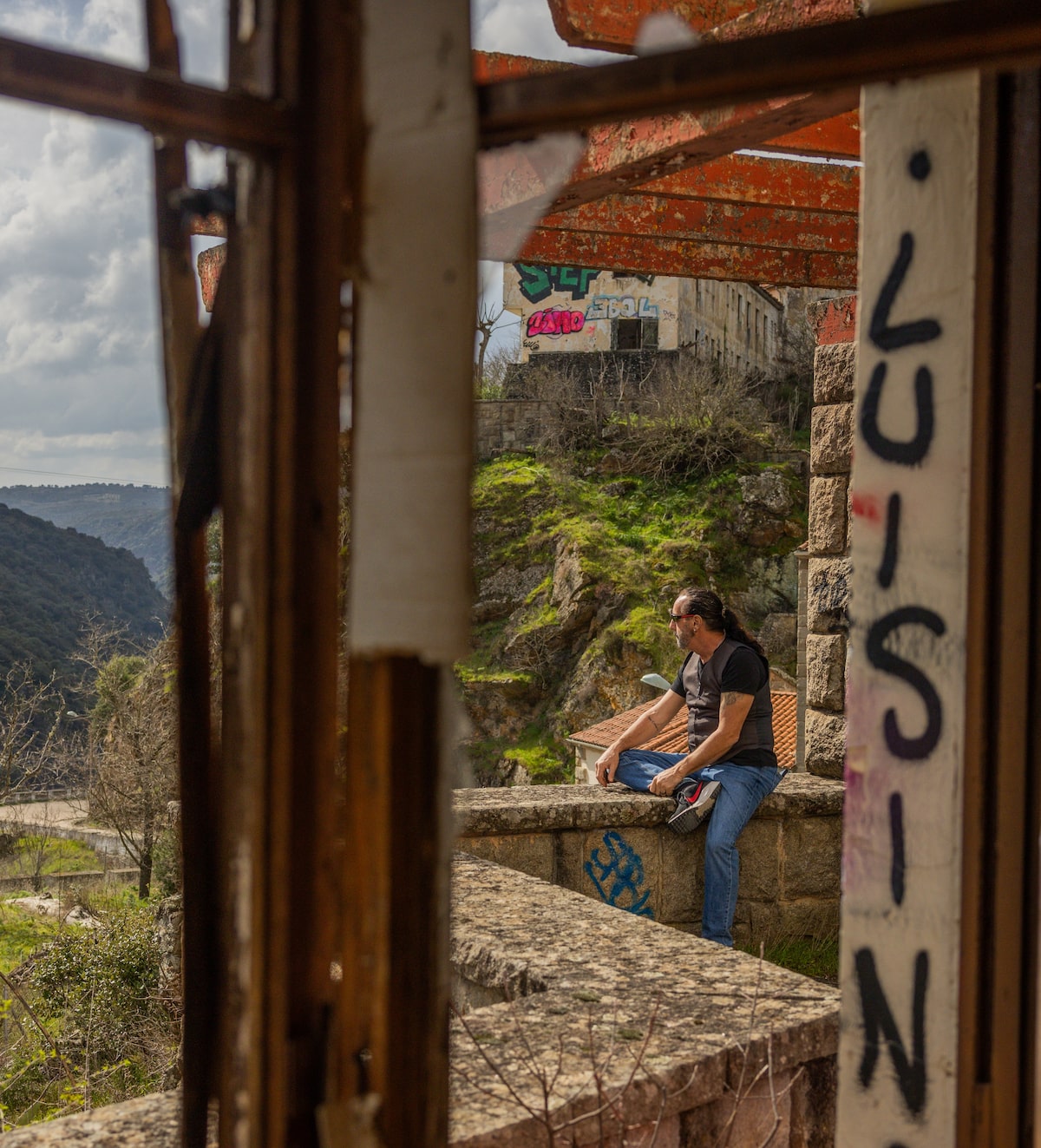
No one has lived in Salto for more than 20 years, but Mr. Beckwith hopes to change that.
He doesn’t speak Spanish but has won over many locals, including officials in the town of Fonfria, which includes Salto in its municipal district.
“This is an area that needs investment. And this type of initiative is good for us,” said Luis Serrador, the town administrator. Most of the district’s eight villages have been losing people for years, he added, and at least one other abandoned village near Salto has been sold.
Sofia Quintanero is leery of outsiders buying villages. She’s a project manager with AlmaNatura, a private Spanish venture that helps villages on the verge of extinction attract new businesses and investors. The company also assists with internet access and educational opportunities.
“We have a very big problem with depopulation in Spain,” said Ms. Quintanero, 28, who lives in the small town of Arroyomolinos de León, population 950, north of Seville. “When a village is under 500 inhabitants, it is already very difficult to get it back to life.”
Selling a village is better than leaving it vacant, she said. But new owners often don’t involve the wider community, which can create animosity. “The interesting thing about living in a village is not creating your own bubble,” she added.
Bárcena de Bureba is an abandoned town that a Dutch couple bought two years ago. Maaike Geurts, in the yellow coat, plans to restore the house behind her with husband Tibor Strausz.
Three hours north of Salto de Castro, Maaike Geurts and Tibor Strausz are following a communal model for the village they bought.
The Dutch couple paid €350,000 for Bárcena de Bureba and six hectares of surrounding agricultural land. They’re transforming it into a collective farm called Ardbol.
The town has been abandoned for 45 years, and nearly all of the 70 buildings are in poor condition. Many have walls missing, roofs have caved in and piles of bricks litter the paths that connect the buildings.
The couple came here after seeing a documentary on TV about desertification in Spain, in which fertile land becomes desert-like due to drought. “We thought maybe we can do something there to stop a little bit of that by planting trees,” Ms. Geurts said.
At first, they thought about buying a plot of land. But they wanted other families to join their project, so buying a village made more sense.
They bought the village two years ago but moved here full-time last summer with their two children. They live in an apartment in nearby Burgos while the community takes shape.
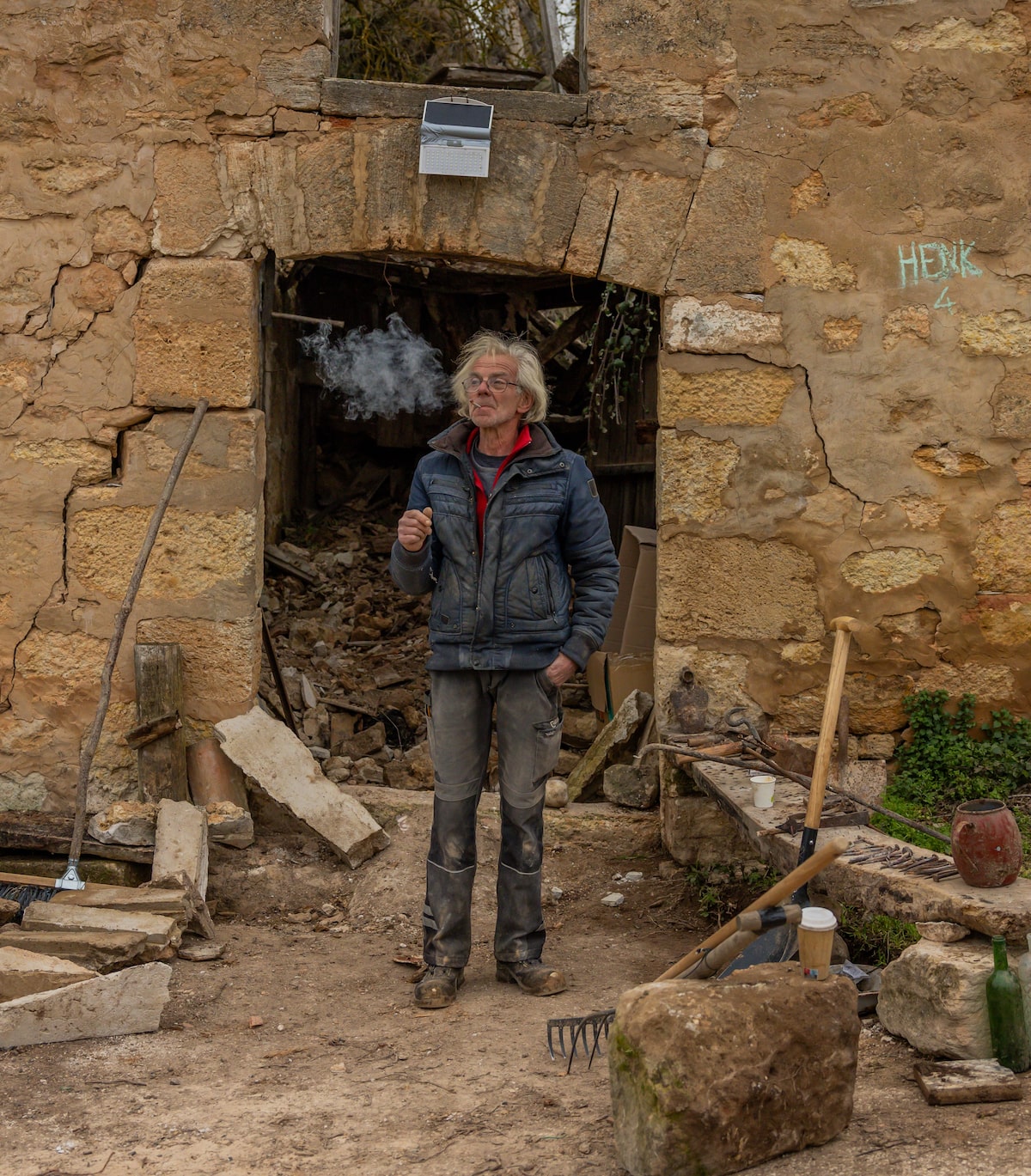
Henk Brackenie arrived at the commune in Bárcena de Bureba last fall after hearing about it from locals. ‘When you smell this air and hear the silence and meet good people, it’s paradise for me,’ he says.
Work has begun on some of the buildings, and colourful handwritten signs denote street names. A village flag flies on a makeshift pole.
Out in the fields, they’ve started work on a “food forest” that will consist of 500 trees growing almonds, walnuts, pistachios, apples, pears and peaches. They’re also planting acres of vegetables and plan to keep chickens and other farm animals. They have a permit to use water from a nearby river and have developed a closed sewage system using ponds and plants.
Families who want to join pay €25,000 for a 20-year lease. That gives them a house to rebuild and access to the village’s solar power network. In return, leaseholders help on the farm. They can sell their lease at any time or renew it.
One of the buildings is earmarked for a hostel to house as many as 14 volunteers.
“We want to show that you can do farming like this without damaging the Earth and still be able to make a living,” said Ms. Geurts, 47, who manages the project while her husband works remotely in IT.
Ever since word of Ardbol got out, the couple have been fielding calls and e-mails from around the world. Eight people from the Netherlands, the U.S., Argentina and Spain have moved in so far, including a married couple with two children and another couple with a newborn baby. “We expect in the end to have maybe 50 families,” Ms. Geurts said.
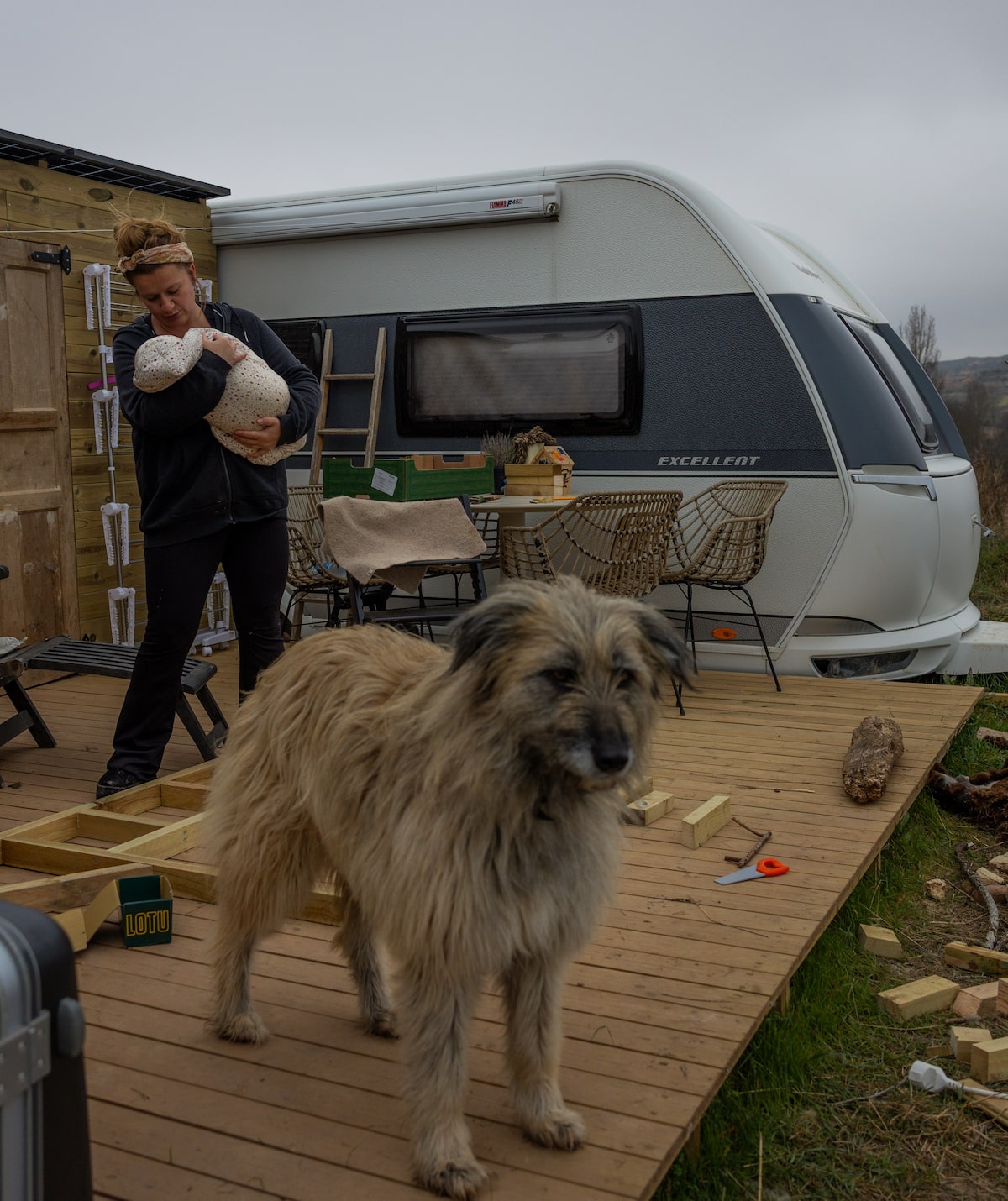
‘We wanted to live differently,’ Mirthe van Hezik says of her family’s decision to move to the commune, where they are fixing up one of the houses.
Mirthe van Hezik arrived from the Netherlands last summer with her husband and three-year-old son, Vos. They’d been desperate for a change in their lives, and when they saw a story about Ardbol two years ago, they came for a visit. They were so impressed, they sold their house and moved here last July.
They’re living in a yurt while they rebuild one of the houses, and Ms. van Hezik, 32, gave birth to a daughter, Nova, three months ago.
“We wanted to live differently,” she explained. She gave up her job in international recruiting, while her husband cut his workload with a telecom company to three days a week online. “We really wanted to do something worthwhile and show our children that you can make different choices in life.”
She glanced around the yurt and added: “We got rid of 80 per cent of what we owned, and I absolutely love it. You don’t need that much.”
Open this photo in gallery:Where you live: More from The Globe and MailCity Space podcast
Whether you’re redeveloping an empty rural village or a bustling city, heritage conservation is a big part of the planning process. The City Space podcast looked at one important Canadian case study, 1973’s demolition of the Van Horne mansion in Montreal, and the lessons it offers for modern urban planners.
Canada’s most liveable cities
A complete list of every city’s 2026 rank in the Globe database
Among Canada’s most livable major cities, Ottawa is No. 1
This tiny B.C. city is one of the most livable – for those who can find it