
Government emergency plans reveal how petrol and diesel rationing would work amid Middle East crisis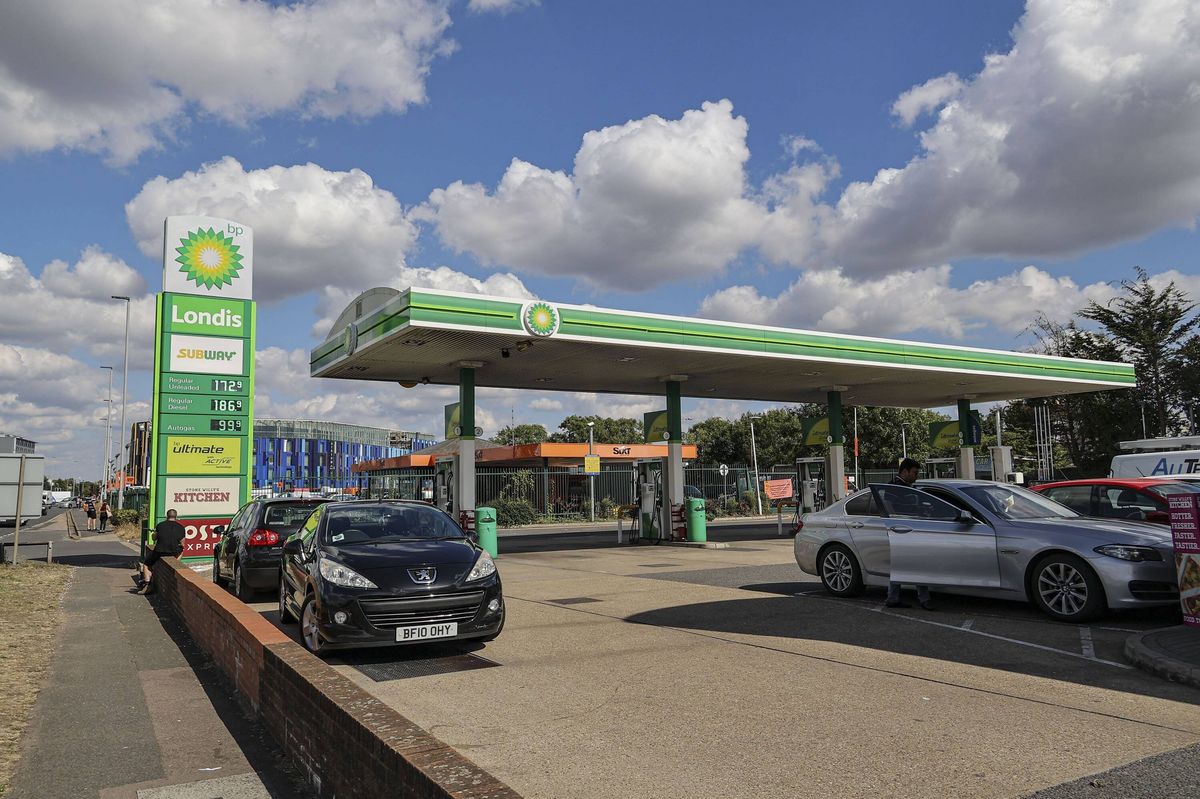
Certain groups will get priority for petrol rations(Image: Getty)
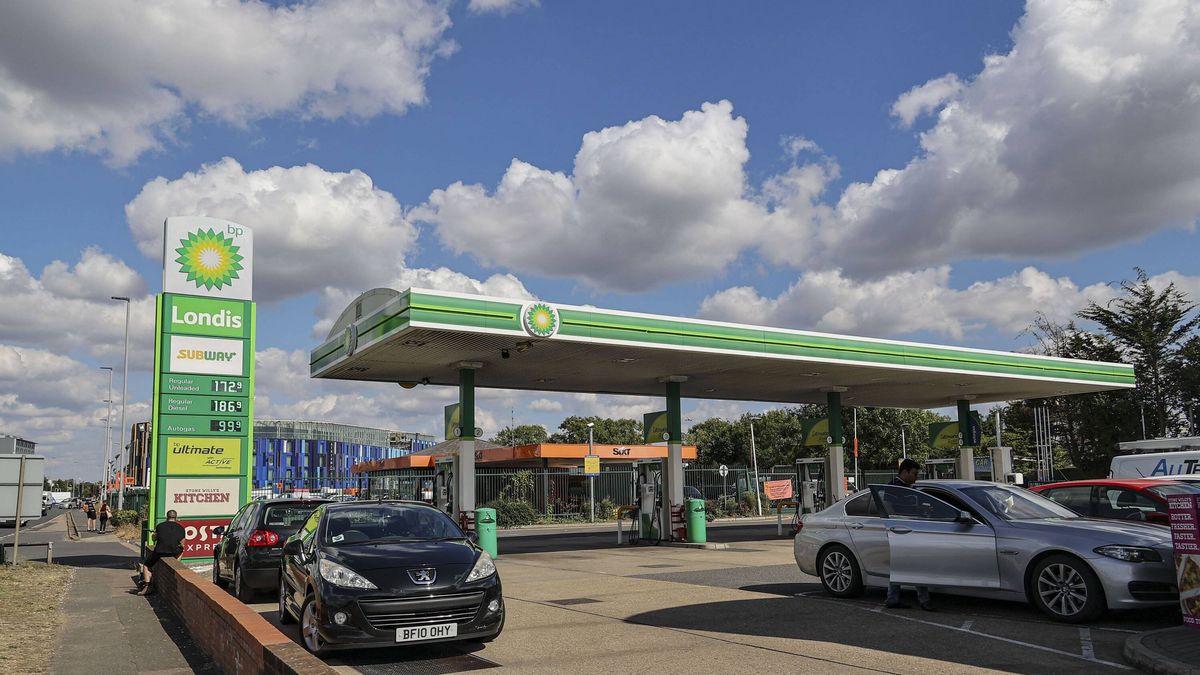
Plans for petrol and diesel rationing are primed and ready to be deployed by the government should the ongoing Middle East crisis continue to disrupt supplies and drive prices higher.
A Labour Treasury minister refused to rule out fuel rationing this week, amid the continuing conflict involving Iran and supply disruptions on the Strait of Hormuz, which have already triggered a spike in petrol prices and shortages at some forecourts. Government contingency plans, drawn up by the Department for Energy Security & Net Zero under its National Emergency Plan for Fuel, outline precisely how rationing would operate in practice and who would receive priority access.
Pump prices have surged recently, with the RAC confirming the average cost of unleaded petrol has reached 141.5p and diesel 160.3p, both 18-month highs. The National Emergency Plan for Fuel sets out who gets first dibs on fuel, reports the Express.
Emergency services and ‘critical service vehicles’ would take top priority over all other motorists, according to the plan. Utility providers, including gas, electricity and water companies, would come next, followed by public transport operators such as bus services and diesel trains.
Commercial vehicles would follow, including lorries transporting food to and from supermarkets, along with health-related delivery services. Additionally, ordinary motorists could face limitations on how much petrol they’re able to purchase at once, while also potentially encountering reduced opening times at filling stations.
The document states: “The majority of potential fuel supply disruptions can be addressed by measures to help industry maintain fuel supply; these would be deployed by DESNZ in co-ordination with industry and other government departments. However, the government does have emergency powers under the Energy Act 1976, which it can use to control supply and demand of petroleum products. It should be noted that use of these emergency powers is reserved for the most severe of disruptions.
“These measures would only be activated in the event of a severe national fuel supply shortage.”
 Get breaking news in Yorkshire straight to your phone
Get all the latest big and breaking Yorkshire news straight to your mobile via WhatsApp by clicking here.
If you don’t like our community, you can leave any time. We also treat members to special offers, promotions, and adverts from us and our partners. Read our privacy notice here.
When questioned about whether the Government was preparing to implement such measures, Dan Tomlinson told Times Radio: “At the moment, it is too early to tell what the impact of this crisis will be in the coming months.
“What we have seen in the last two weeks is that there has been sharp increase in the cost of oil used to heat people’s homes, and the Government has stepped in and said we’re going to provide £50 million of support for people across the UK who are reliant on heating oil.
“We will monitor the situation, and we’ll monitor it carefully.”
Louisa James, Political Correspondent at ITV’s Good Morning Britain, stated on Tuesday morning: “There are experts warning that a severe shortage of oil and gas is now just weeks away. As you would expect the government has emergency plans in place which will be activated in the event of a severe disruption.
“Those are published online and they include things like petrol rationing, giving emergency services and public transport priority for fuel. Also reportedly a temporary 50mph speed limit to reduce demand for fuel.
“A government source told us that the UK has ‘a diverse and resilient’ supply of fuel, that petrol stations are well stocked, that imports are arriving.”
Get all the latest and breaking news in Yorkshire by signing up to our newsletter here.