
A mother of two died on her flight home from Cape Verde after days of sickness, her family has revealed as figures show tourists are still falling ill after visiting the popular holiday destination.
The 71-year-old travelled to the west African archipelago in April 2024 with her husband, 72, and started suffering from gastric illness a few days into the week-long trip. She had a cardiac arrest on the plane to Gatwick on May 3 and died about ninety minutes before landing.
Her family complained at the time to Tui, through which they had booked the all-inclusive holiday, but decided not to pursue a legal claim. After reading a Sunday Times investigation in January, which revealed four British tourists had died after getting sick on the islands, they reignited their efforts to get answers about whether the sickness she contracted in Cape Verde had contributed to her death.
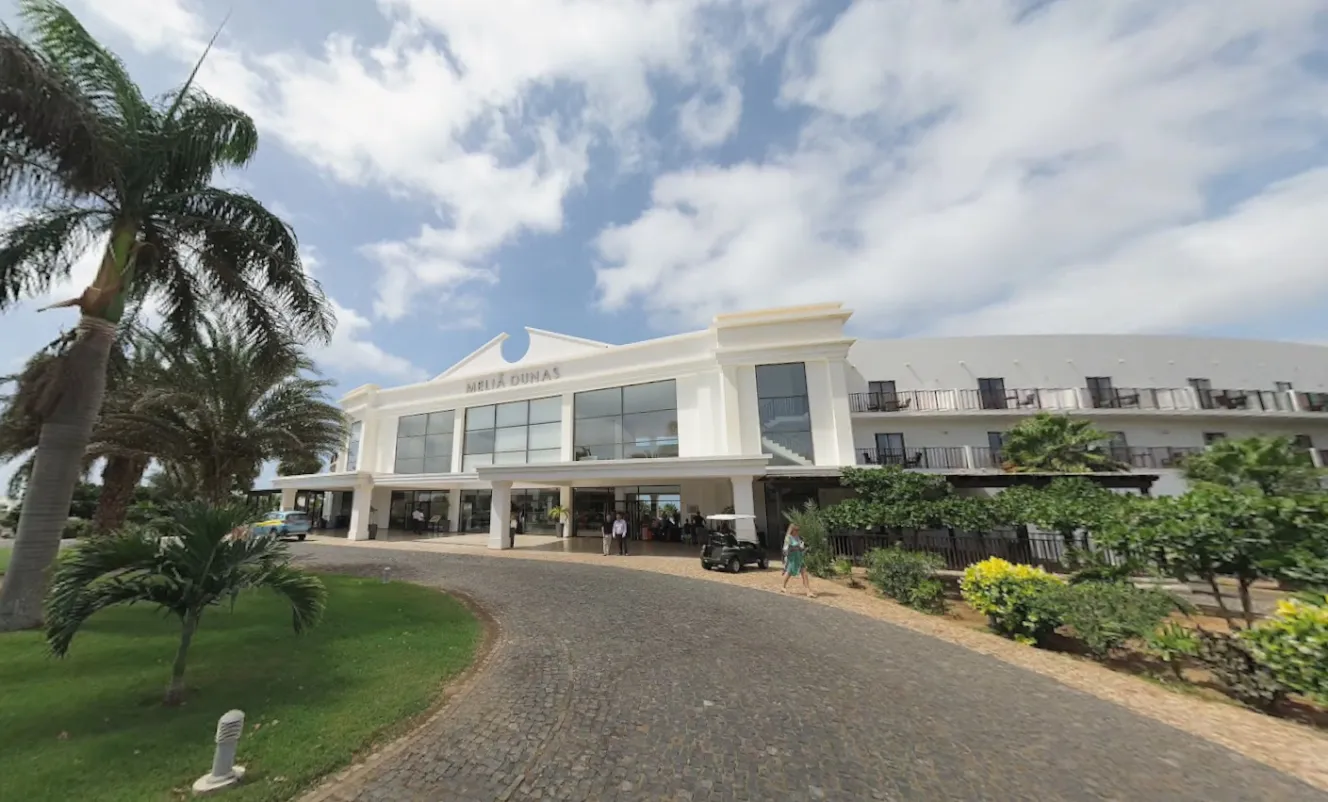 The Meliá Sol Dunas hotel, where the woman stayed
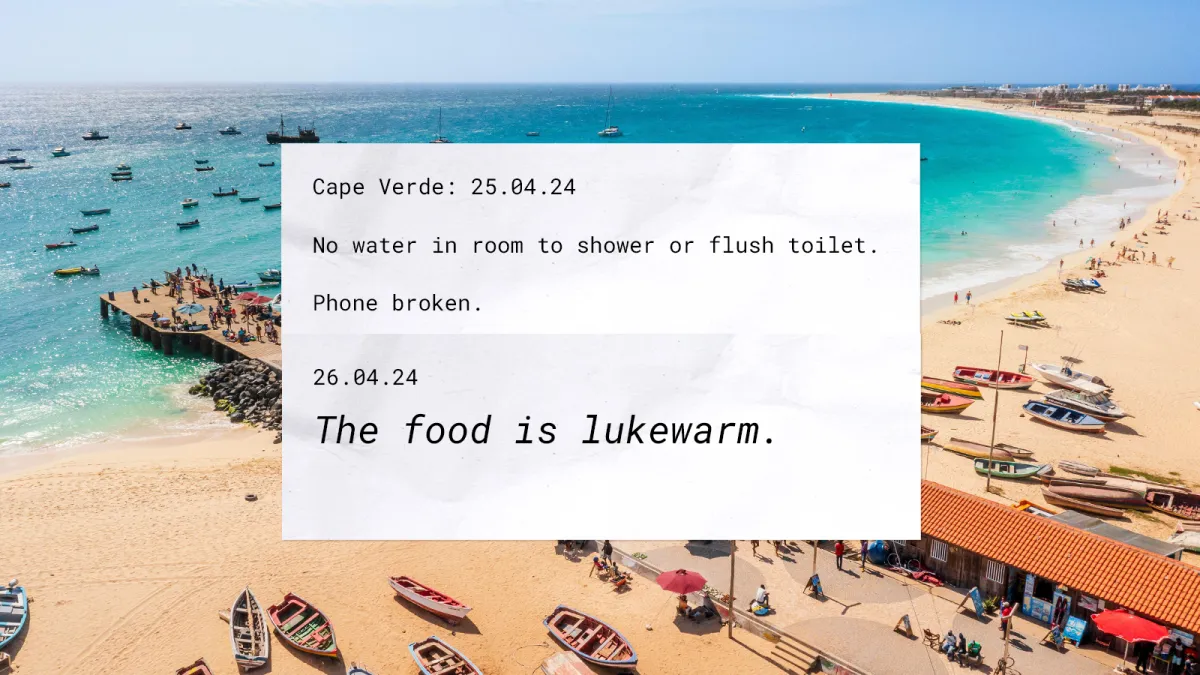
A few weeks later, after going back through their mother’s belongings they found a diary she had kept while on holiday. In it, she had recorded when she started to feel unwell, her symptoms, the poor quality of the food and the lack of running water in the hotel.
Her two daughters, who want to keep their family’s identity private, said their father “has not been the same” since her death. The couple met when they were 17 and had been married for nearly 50 years.
“He definitely lost a part of himself that day,” their younger daughter, 44, said. “He was absolutely broken. It was really quite horrific. It’s really taken the wind out of his sails.”
263 British cases
The woman’s family are the second to come forward after our investigation, including the widow of a 52-year-old retired firefighter, meaning the total number of deaths since 2022 could be as high as eight. Two other families have instructed lawyers to investigate their relatives’ deaths but The Sunday Times has been unable to independently verify their claims.
Between September 2022 and March 2026, 766 confirmed and possible cases of shigellosis, an infection with shigella bacteria, were reported by tourists from 13 European countries after returning from Cape Verde. The UK had the highest number of positive tests (263), according to the European Centre for Disease Prevention and Control, followed by Sweden (120) and Germany (92).
An initial investigation by the authorities in Cape Verde into the cause of the outbreak found traces of shigella in irrigation water used to wash food. The full report is awaited.
‘No water. Phone broken’
On April 25, 2024, the 71-year-old retired local civil servant from Berkshire flew to Cape Verde with her husband, a retired engineer, on a Tui package holiday. The woman had underlying conditions, including asthma, but was managing her health well, her daughters said.
They checked into the Meliá Sol Dunas hotel on the island of Sal, which is about three miles north of the Riu hotels that other fatalities had stayed in when they first became unwell.
The couple’s problems started almost immediately.
In a Word Search book that she had brought on holiday, the woman began making notes on the back page. Under the headline “arrived 25/04/24,” she wrote: “Taken to room 3101. No water. Phone broken. Asked to be moved. Moved to room 117. No water apparently as Island [sic].”
The following day, April 26, the woman said she had informed a Tui representative in the hotel that “the food is lukewarm”. The staff member “said she would report it”.
Sickness begins
Her illness started the same day, according to the diary, and lasted for three days. Her symptoms were so severe that she could not leave her room. “Still no water to flush [the] toilet or shower,” she wrote on April 26.
The following day, her stomach was “still upset”. On April 28, there was still no water, and staff had to “manually flush the toilet”. Again, she could not shower.
In her last entry on April 29, she wrote that she started “to feel a bit better” and “laid by the pool” before having an asthma attack at 12pm, which was triggered by a hotel employee cutting the grass.
Over the next few days, her condition gradually improved, but she was still feeling unwell, according to her family. On May 2, the couple flew home, and during the flight, their father suddenly noticed his wife convulsing in her seat.
A passenger on board, who was a doctor, came to help but could not find a pulse. A mental health nurse, who also happened to be on board, held their father’s hand for the rest of the flight.
“It’s just unfathomable that something like that [can happen],” the youngest daughter said. “For about three weeks afterwards, I was expecting Mum to come home. I couldn’t believe that she wasn’t coming home. It was such a shock, so sudden.”
Her older sister, 46, added: “When we lost Mum, we also lost a bit of Dad too.”
£500 compensation
A post-mortem examination found the 71-year-old had an underlying heart condition, which the family was surprised to hear, as their mother had been given a clean bill of health three months before going on holiday.
The examination concluded the gastric illness was likely to have caused her to suffer from dehydration and a fever, which “increased physiological demand on the body” and her “enlarged heart”. She was not tested for the cause of the gastric illness.
Tui offered her widower £157 compensation for the lack of running water in the hotel or 20 per cent off his next holiday, which he declined. He later settled for £500 compensation for the poor conditions in the hotel.
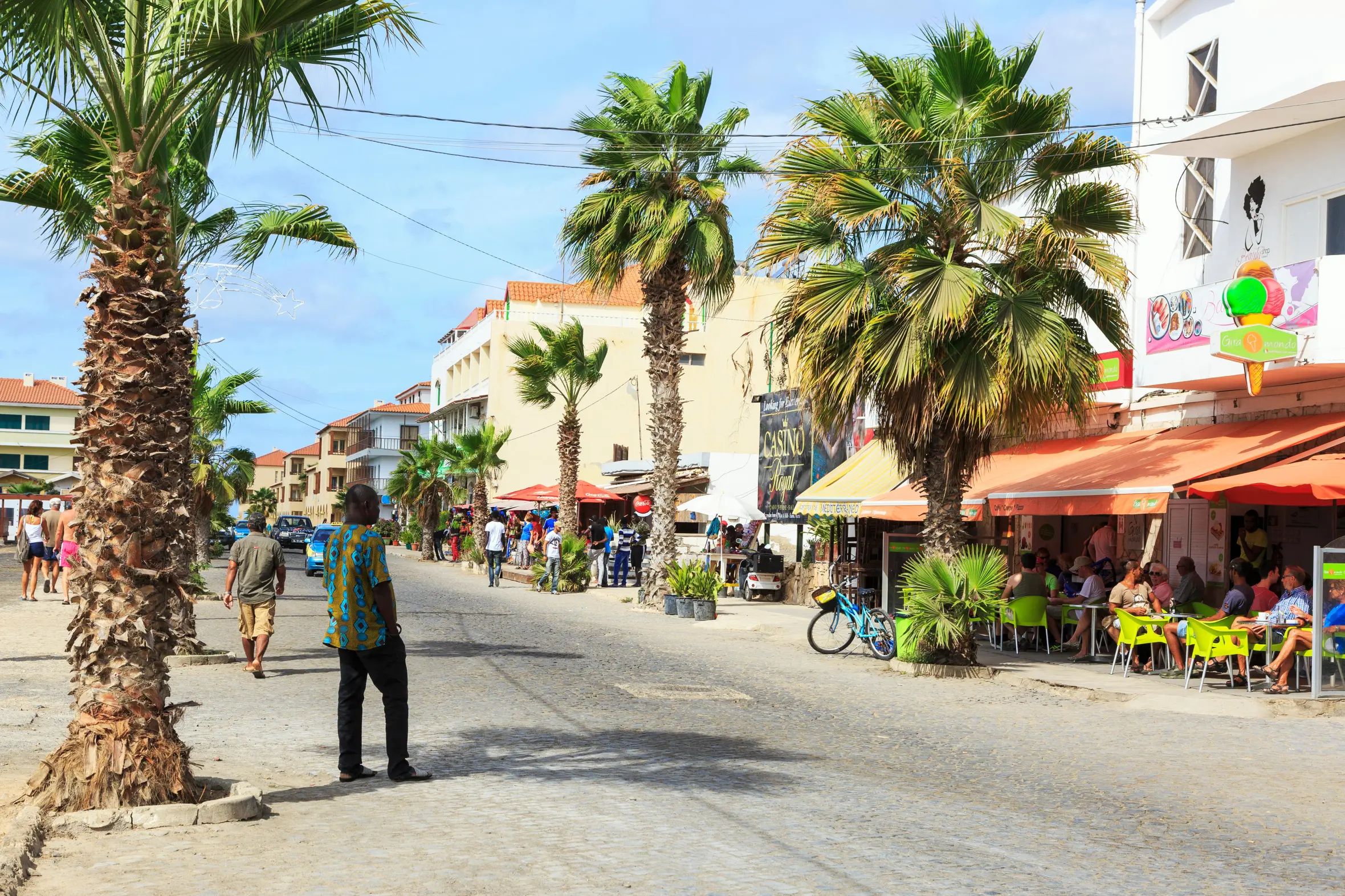 The island of Sal is a tourist hotspot Alamy
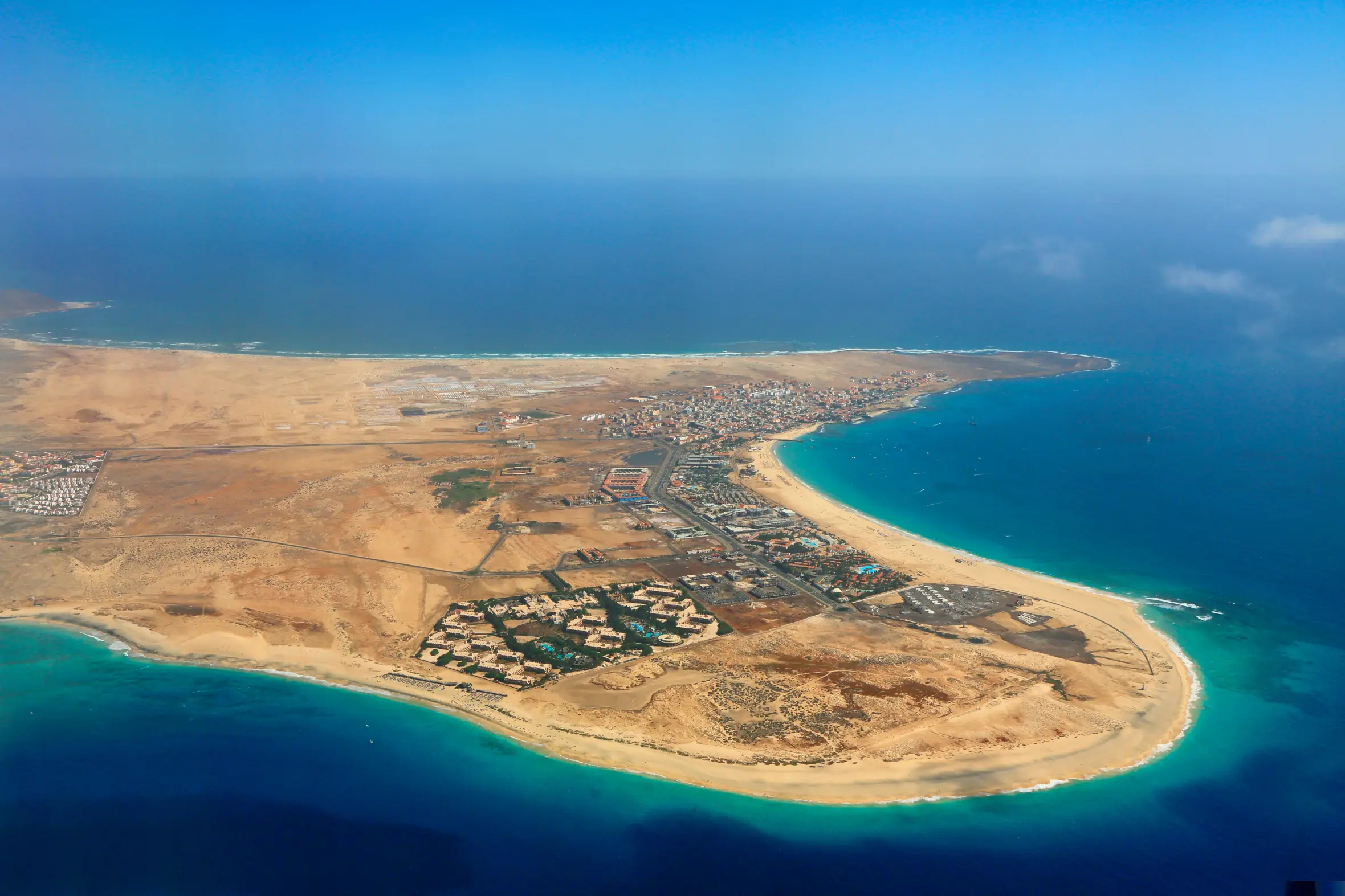 Alamy
Alamy
Their eldest daughter said: “At the time, we were exasperated having dealt with Tui for three months that when they offered a goodwill gesture of £500 for lack of running water we accepted, at this point we needed to focus on being together and grieving the loss of our mum. We had no idea other families were suffering too.”
“The service [and] communications that we had with [Tui] was just appalling,” her sister said. “Even if she hadn’t got sick on their holiday, even if she had just passed away on their flight, the fact that there was no sensitivity surrounding the fact that she had died was absolutely horrific.”
She added: “Mum was always fighting for other people and championing the underdog, so it is our turn to fight for her. She would have done it for anyone else.”
Meliá Hotels International said: “We are deeply saddened by the death of [the woman], and we extend our sincere condolences to her family and loved ones at this very difficult time.
“While we are unable to comment on the specific circumstances of this case, we take all such matters extremely seriously. At Meliá Hotels International, the health, safety and wellbeing of our guests is our highest priority, and we remain committed to upholding high standards across all our properties and franchises.”
Tui said: “We are deeply saddened by the reports of these tragic losses and extend our sincere condolences to the families affected. While we cannot comment on individual cases, customer health and safety is always our highest priority. We have established procedures in place to support any customer who becomes unwell while on holiday, including access to appropriate medical care and assistance in resort.
“To provide that support, it is important that illness is reported to our teams while customers are in destination. Where this does not happen, it limits the assistance we are able to offer at the time.
“We continue to follow government advice and engage with hotel partners and relevant authorities where appropriate. We are also aware of broader European surveillance data, which reflects reported illnesses over several years and across all travel providers, including cases identified after customers have returned home. This reinforces the importance of reporting illness while in resort so appropriate support can be provided at the time.”