


Summary
The Ontario government has officially repealed its Endangered Species Act and replaced it with weaker legislation, almost a year after first proposing to do so.
The province’s new Species Conservation Act removes provincial protections for many species and applies protections to a more narrow range of habitat for others.
Conservation experts say the new law puts threatened species at further risk, but the Doug Ford government says the change will speed up road, mining and housing developments.
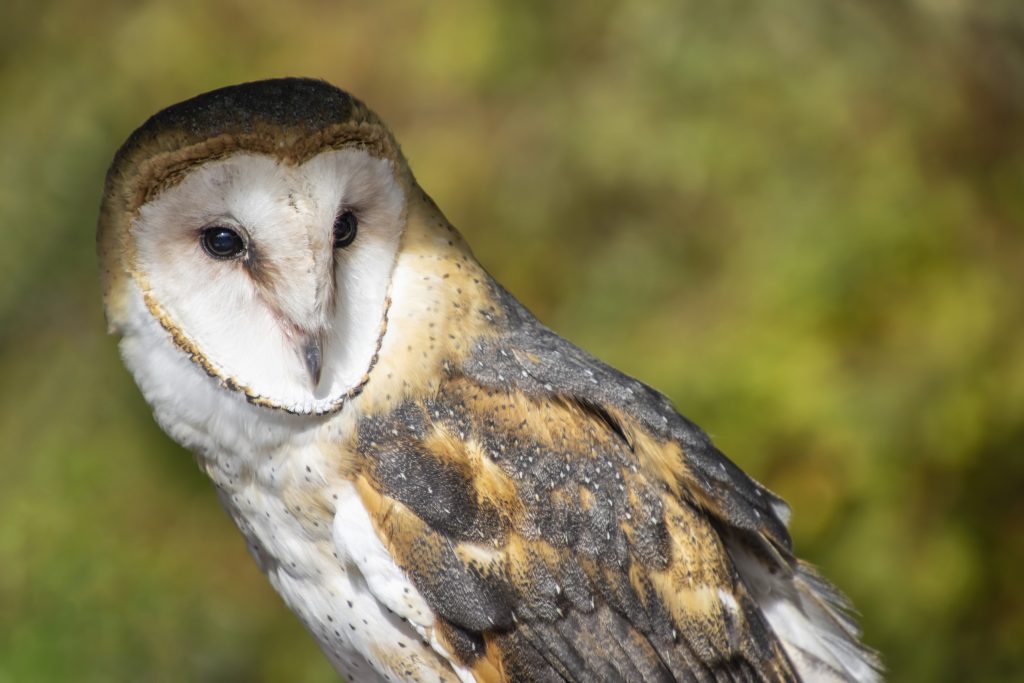
Ontario’s Endangered Species Act is now officially repealed. The province says the move will allow quicker approvals for road, mining and housing developments, while experts say it could streamline destruction of critical habitats, further threatening wildlife such as woodland caribou, barn owls and the golden eagle.
The Endangered Species Act, passed in 2007, set explicit provincial goals for species recovery and stewardship. It was once considered the gold standard for species protection in Canada, prohibiting anyone from killing or harming endangered or threatened plants and animals, or engaging in activities that would cause harm.
In 2025, the Doug Ford government passed Bill 5, the Protect Ontario by Unleashing our Economy Act, ultimately repealing the Endangered Species Act. It has been replaced with the Species Conservation Act, which removes provincial protection from many species, leaving some threatened fish and birds only protected by federal laws that are limited to federal land and waters.
The new law limits how habitat is considered and protected. It replaces expert review of permit applications for activities that could harm at-risk species with an online registration that doesn’t require government review, and “allows most projects to begin as soon as they register,” according to the province.
Experts say the new law will put threatened species at further risk.
Introducing the Species Conservation Act
“The original goal of the Endangered Species Act was to allow the species to recover,” Laura Bowman, an Indigenous Rights and environmental lawyer at Macpherson Law, said. “We’ve effectively abandoned those objectives, and that means that species will continue to decline. Probably their decline will accelerate very rapidly.”
Some of the major interim changes, passed in June under Bill 5, include narrowing what counts as a “habitat” — redefining habitats to the specific area an animal dens in, for example, rather than the larger area it uses to travel or find food. This could pose problems for wide-ranging species-at-risk such as woodland caribou, which rely on large, connected habitats to survive.
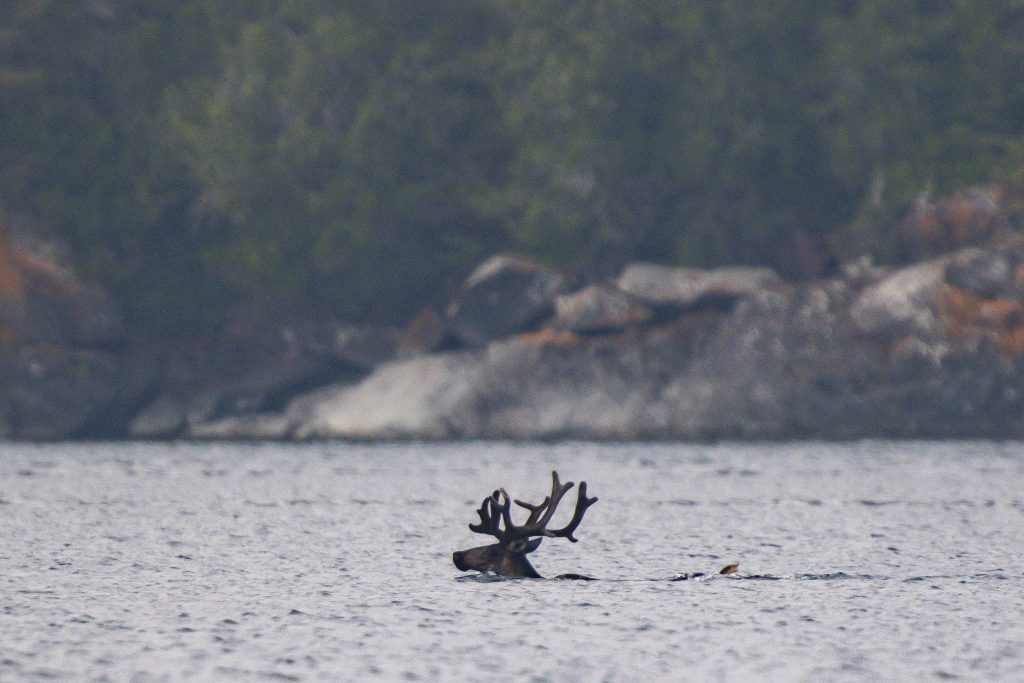 Under Ontario’s new species conservation legislation, only an animal’s denning or nesting area is covered by protections. That could pose problems for species such as the woodland caribou, which relies on a large range to find food. Photo: Christopher Katsarov Luna / The Narwhal
The province also no longer requires recovery strategies that guide efforts to bring an endangered species population back to health, laying out the required habitat and other critical factors. The province has argued former legislation was too rigid, preventing the government from focusing its resources to best benefit species.
The new act also removes provincial protections for migratory birds and fish, including redside dace, golden eagles and the minnows that became central to concerns over Ontario’s Highway 413 development. The province has argued they are already protected under federal laws. But that protection only extends to individual species under the federal Species at Risk Act and their dwelling places on federal lands, such as national parks or First Nations reserves, which make up less than five per cent of the range of most terrestrial at-risk species. The federal government can extend its protections to provincial lands through emergency orders and other means, but rarely does so.
Read more
The new act, the province says, is proposed to reduce duplication with federal regulations and allow projects to progress in a “more efficient and cost-effective way.” Bowman, however, said “federal protections for species at risk are extremely limited,” adding that there will be “many, many species and their habitats that are not protected under federal law.”
“There’s going to be a lot of really tragic stories coming out of the rollout of this change,” Bowman said.
Ontario’s at-risk species protections ‘relying on a voluntary mechanism’
Under the Endangered Species Act, companies proposing industrial or development projects had to demonstrate that a number of criteria were met before moving ahead with development that could affect at-risk species. It was meant to prevent impacts so severe a species couldn’t survive or recover, Bowman said.
“Now that’s not part of the equation. It’s an automatic registration system. So we’re going to see a lot more habitat destruction in particular happening, but also potentially direct harm to species,” Bowman said.
This has been a big sticking point for Kerrie Blaise, a lawyer with the northern Ontario environmental non-profit Legal Advocates for Nature’s Defence. The organization is currently representing two Indigenous interveners challenging the constitutionality of Bill 5 in court.
“When you look at the new act we’re dealing with, it’s effectively relying on a voluntary mechanism,” Blaise said, whereby companies can share key project information, including — in some cases — a conservation plan.
Another matter of concern, Blaise said, is actions under the Species Conservation Act are exempted from the Environmental Bill of Rights, which requires a public posting on the provincial environmental registry. That means applications for work that could potentially harm wildlife no longer have to be posted for public review and comment.
“How are people supposed to weigh in?” Blaise said. “These are decisions that impact communities.”
The new act also sets out activities that do not require any registration or permits to proceed. These include cutting down endangered black ash or butternut trees or hunting threatened eastern wolves or northern bobwhite, a quail found in southern Ontario.
Read more
Tens of thousands respond to Species Conservation Act. One northern Ontario city supports it
Much of what was originally proposed for the Species Conservation Act last April under Bill 5 is being carried forward, despite more than 61,000 public comments fielded during the 30-day mandatory public comment period last spring.
At the time, the full regulations hadn’t yet been set for the Species Conservation Act. Those were released on March 30, nearly a year after the act was first proposed.
Another 1,800 comments were submitted in fall 2025 around the regulations themselves, which now allow the act to practically come into force. Many of the comments call for greater First Nations consultation and a return to the Endangered Species Act’s original principles — including from the cities of Toronto and Markham, Anishinabek Nation and environmental groups.
Some municipalities, including the City of North Bay, are happy with the changes.
“We welcome the proposed changes, which appear to strike a more effective balance between responsible development and the protection of vulnerable species,” the city wrote in its public comment. “The proposed registration-first model aligns with the city’s long-standing advocacy for a more predictable, proponent-driven approach.”
North Bay’s member of Parliament, Vic Fedeli —– who is also Ontario’s minister of economic development, job creation and trade —– is a supporter of the Ring of Fire mining development in Ontario’s Far North, leading the region with a development-first mindset. Fedeli told BayToday in June 2025 that Ontario will lose billions of dollars of new investment “if projects are going to take ten years to get shovels in the ground,” and that Bill 5 is about unlocking Ontario’s “true economic potential.”
Dive deeper on this topic
Blaise said the lands and waters of northern Ontario are critical for many endangered species, including cougars and several species of bat, adding that, “It’s not surprising that [the Ontario government is] looking for that agenda, which is disregard for species, disregard for habitat — their recovery, their protection.”
“It’s a very disappointing response,” Blaise said. “It shows that now, more than ever, citizens, community members, individuals, really need to practice their environmental rights. That means being informed, having a say, and communicating that — whether that’s to your municipal level of government, your provincial MPP or the federal MP.”