
Indianapolis —
Thirteen years ago, I was prepping for a family dinner at the shore when my editor at the time called me and said, “Brad Stevens is leaving Butler to become the Boston Celtics head coach. Can you write a reaction column?”
To which I replied, “Sure. So long as it’s OK that my reaction is, ‘Huh?’”
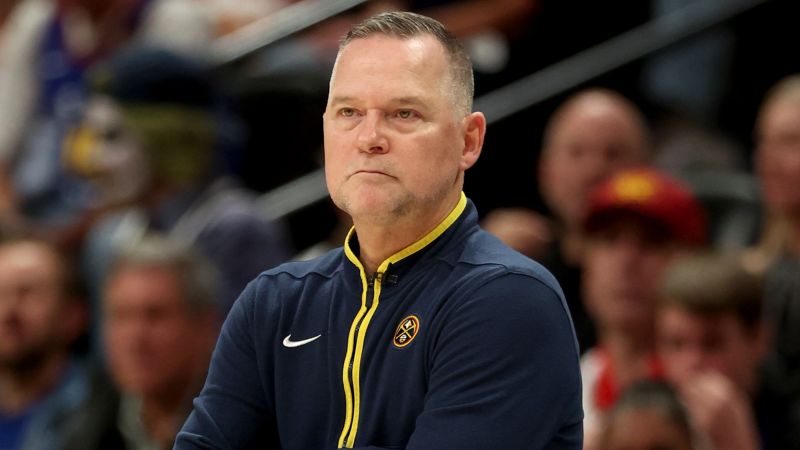
Fast forward to this national championship game day. I was walking down the street in Indianapolis, having ironically just left a room packed with basketball reporters at the U.S. Basketball Writers Awards Luncheon. A colleague came to an abrupt halt, pulled out his phone and read the breaking news that Michael Malone had just been named the new head coach at North Carolina.
To which I once again replied, “Huh?”
This decision, reported by multiple college basketball insiders but not yet officially confirmed by the school, is so wildly unexpected it isn’t even in the same zip code as left field.
After Arizona’s Tommy Lloyd inked a contract extension and Michigan’s Dusty May reaffirmed his commitment to Ann Arbor, Carolina was forced to dig deep into its shortlist.
Multiple reports suggested that Chicago Bulls head coach, Billy Donovan – a two-time champion at Florida – was interested, but perhaps the timing was too much of a squeeze. With the Bulls’ season limping toward a finish and the transfer portal opening tomorrow, Chapel Hill clearly didn’t want to wait.
Learning how Malone even landed on the radar will be fascinating. His success is undeniable. He won an NBA championship with the Denver Nuggets two years ago and stands as the franchise’s all-time winningest coach. His firing, sparked by a clash with ownership on the brink of the playoffs, was nearly as bizarre as this hiring.
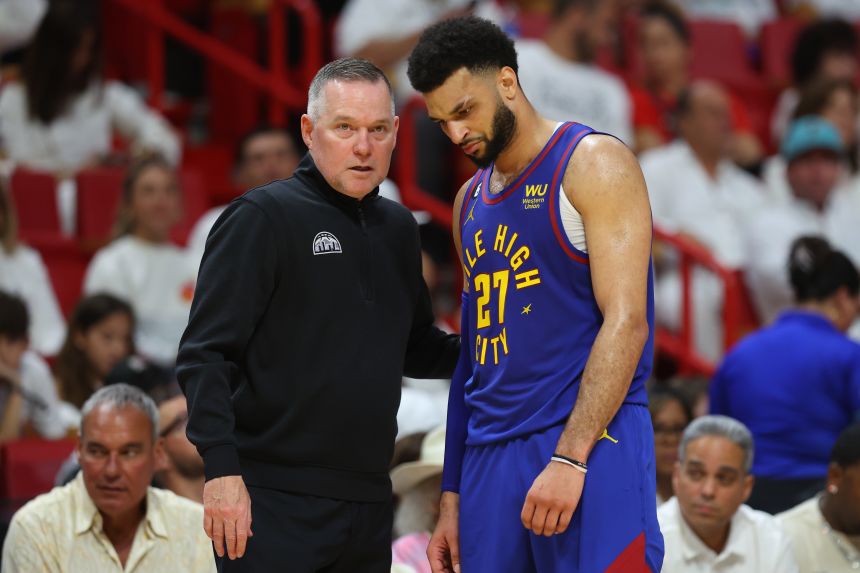
But the Queens native and Loyola Maryland grad has no obvious ties to Carolina – unless you count his daughter, who plays on the Tar Heels volleyball team – and not many to college basketball at all. His college coaching experience is a time capsule: seven years as an assistant at Oakland, Manhattan and Providence before he joined the Knicks’ bench in 2001. He hasn’t looked back since.
And while plenty of one-time head coaches have retreated back to campus after giving the NBA a try and failing – Rick Pitino, John Calipari and Fred Hoiberg among them – the only similar NBA direct to college transfer I can come up with is Larry Brown.
After an aborted head-coaching start at Davidson – he left after two months without ever coaching a game – Brown took over the Nuggets (who says the universe doesn’t have a sense of humor) but after clashing with the general manager, resigned in his fifth season to take over UCLA.
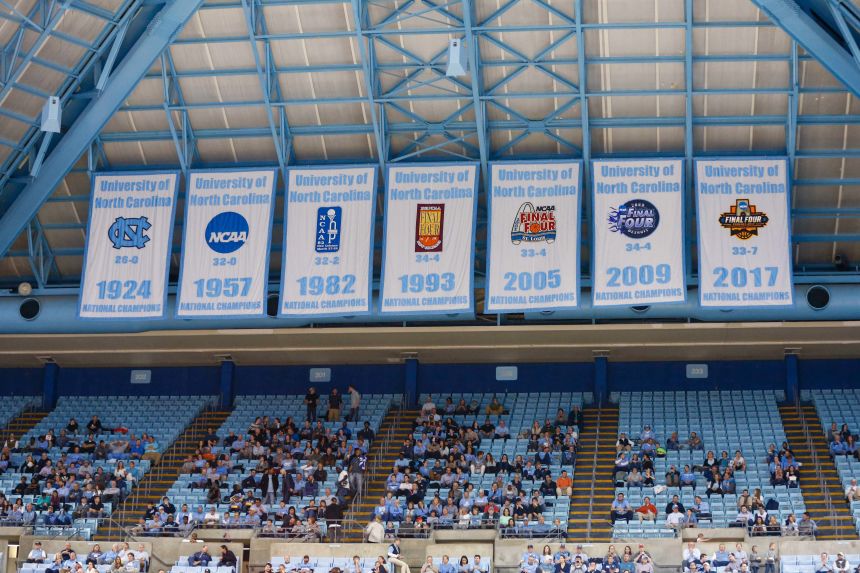
It certainly reads like UNC, where Dean Smith started the concept of senior day, is going all-in on the pro model of college athletics. Malone, of course, joins the Tar Heel blue hoodie-wearing Bill Belichick in the Chapel Hill coaching ranks.
In the era of NIL budgets and the transfer portal, the logic is visible. Plenty of programs have hired GMs and player personnel leaders to help them navigate the pseudo salary cap in college sports, deal with agents and handle the roster shifts that the portal brings. A coach accustomed to all of that would, in theory at least, have an advantage.
But college sports still aren’t the pros. NBA coaches don’t have to recruit teenagers, manage helicopter parents, or worry if a player is going to class to retain his eligibility. They don’t have to glad-hand boosters or answer to university presidents.
After Stevens settled in Boston, I remember chatting with him to see how it was going. He remarked how much less he had to do in the NBA. And that was before NIL and the portal came into vogue.
History will determine whether North Carolina’s decision was a visionary masterstroke or a costly miscalculation.”
For now, we’re left with the only question that fits:
Huh?