
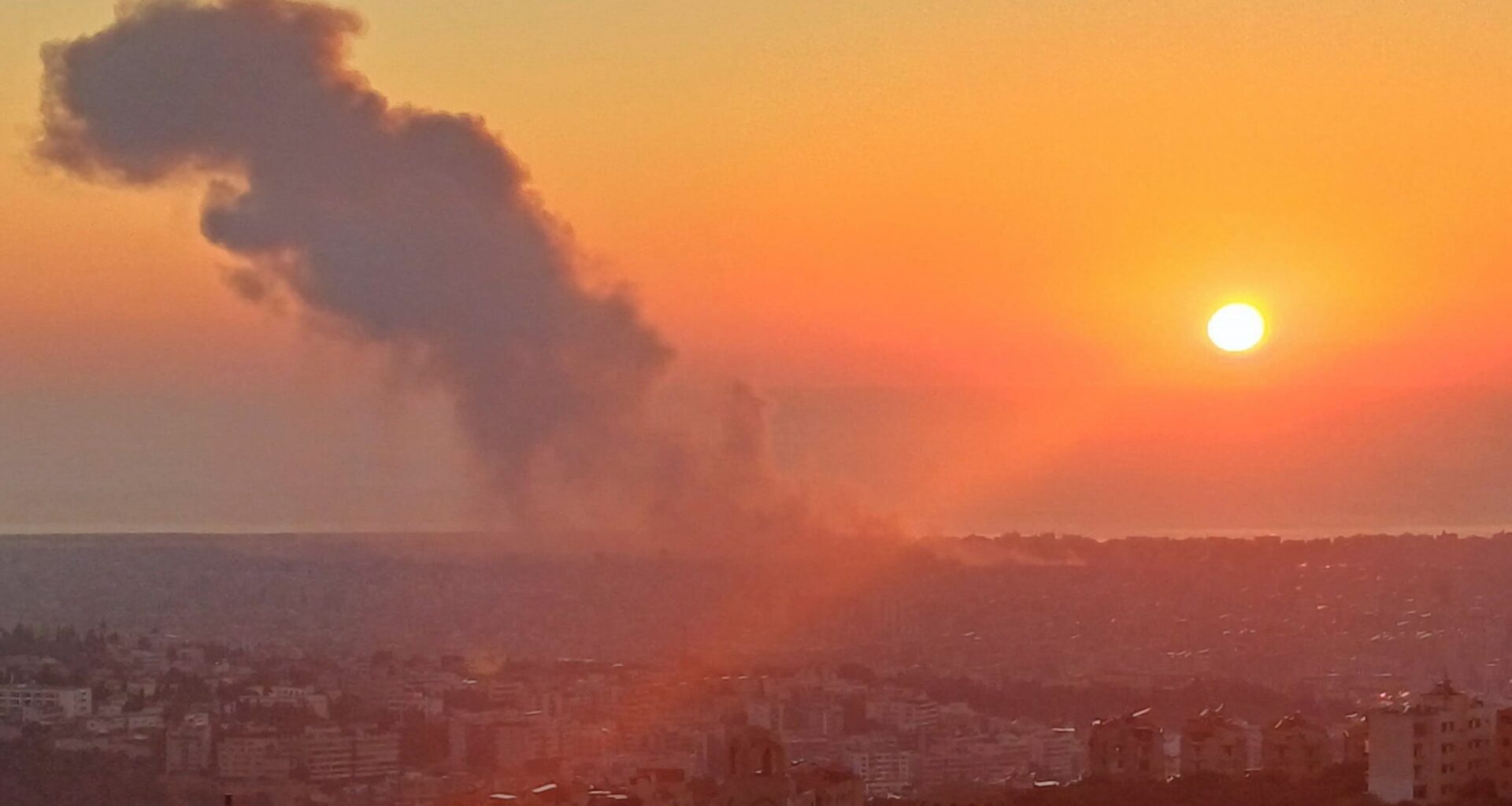
Israel’s announcement to occupy parts of Southern Lebanon, part of a campaign against Hezbollah, has drawn widespread concern over the potential for increased violence and a humanitarian crisis in the region. This campaign follows a year of escalating conflict between Israel, Iran, and their proxies, and now places the humanitarian consequences for civilians at the forefront of regional and international attention.
The CBC reports that Israel’s minister of defense, Israel Katz, said Israeli forces would “control the remaining bridges and the security zone up to the Litani,” a river about 30 kilometres north of Israel’s border. They have stated that this is to “create a defense buffer” that pushes the threat of Hezbollah away from Israeli communities. Meanwhile, Senior Hezbollah lawmaker, Hassan Fadlallah, reported to Reuters that militia would fight to prevent Israeli troops from occupying the south, stating that “We have no choice but to confront this aggression and cling to the land.”
This escalation is part of a history of tension between Hezbollah and Israel, which intensified when Hezbollah joined the ensuing war in Gaza “in solidarity” with Hamas. This fighting between the two lasted until a ceasefire took effect on November 27, 2024. The 2024 ceasefire gave some breathing room and reduced casualties by de-escalating actions of those involved in the war, ending any cross-border fire, and phasing a military withdrawal by both Hezbollah and Israel. However, fighting was largely resumed between the two forces on March 2, as a response to the strikes by U.S-Israeli forces that assassinated Supreme Leader Ali Khamenei.
Recent military attacks by Israel have been focused on destroying bridges and crossings over the Litani River, which link the region of Southern Lebanon to the rest of the country. While Katz stated that these crossings were being used by Hezbollah to send reinforcements, according to Al Jazeera, Ramzi Kaiss, a Lebanese researcher at Human Rights Watch, told news agency Reuters that this is considered a human rights violation. Kaiss noted that international law requires armed actors to take into account the civilian harm caused by strikes on infrastructure like bridges, even if the targets were being used for military purposes. Many of these destroyed bridges, such as Qasmiyeh Bridge, were used by a socio-economically deprived, largely Shiite population, as the only way to access food, water, and other resources. As a result of the destruction and separation committed by Israel against the Litani region, more analysts are studying the repercussions that these actions have on increasing health problems such as food insecurity and medication shortages.
Additionally, while the Lebanese government has tried to pursue direct talks with Israel and has fought against Hezbollah military activity, Katz has warned the country that it can face an incursion unless Hezbollah is disarmed. The actors involved in peace-building activities risk escalating the violence that many citizens of both countries have dreaded. Since March alone, a report from J Street highlights that at least 1,000 people have been killed in Lebanon, thousands more have been injured, and one million civilians are displaced. Roughly 13 percent of Lebanon is under Israeli forced displacement and mass evacuation orders, compelled by Israel to move northward. This threat of an invasion of Southern Lebanon only reinforces these decrees, further pushing people from their homes. Additionally, the region is still reeling from displacement and casualties from 2023 to 2024. During this period, almost 900,000 civilians were displaced, and 60,000 people were evacuated in northern Lebanon. These statistics echo the same level of despair and severity we are seeing with this new campaign in 2026.
Ultimately, the escalation of conflict poses a humanitarian threat that should be considered beyond any benefits from the strategic push for power. As displacement and destruction rise from strikes destroying infrastructure in the region, there is a greater reduction in access to essential social services, such as schools, hospitals, sanitation systems, and markets for food and water. The reduction in access harms key development indicators that signify a country’s level of well-being, and creates greater suffering amongst thousands of communities trapped in a cycle of fear.