
Plans for a conditional ceasefire between the US and Iran meant oil prices continued to fall on Wednesday.
However, brent crude, the standard oil measure, was still 30% more expensive than it was before the conflict began on 28 February.
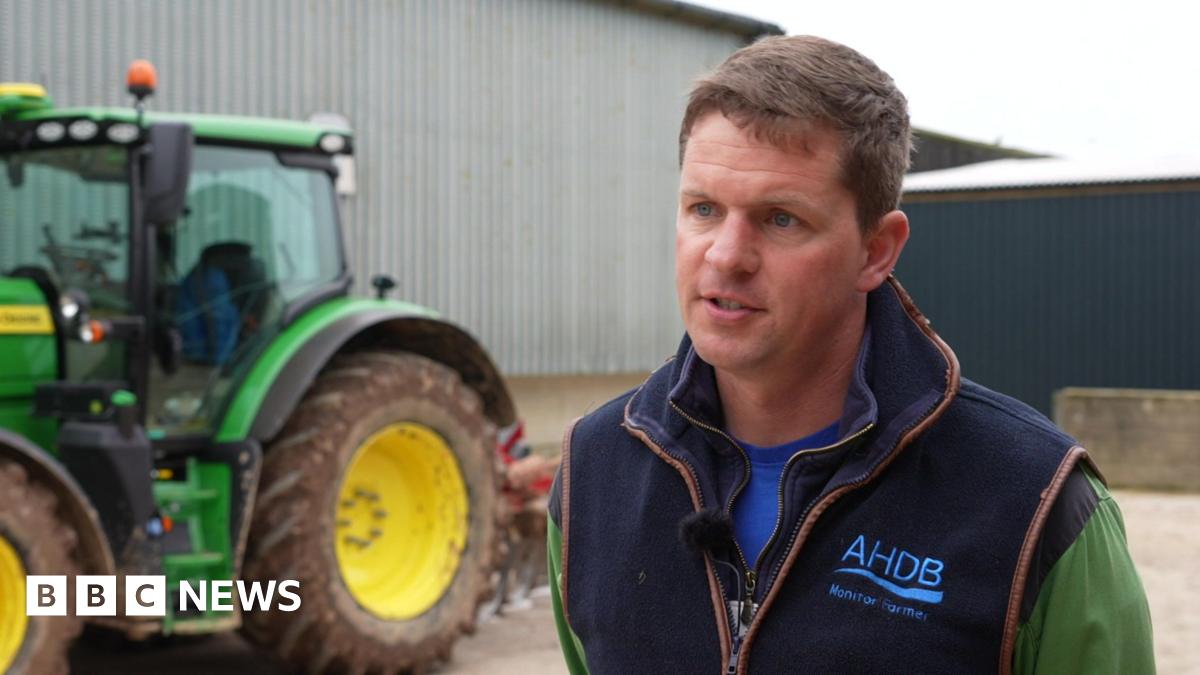
Jones, who runs Smeaton Farm near Saltash, said: “We’re so heavily reliant on fuel to do our day-to-day jobs, whether it’s looking after animals or looking after the crops; we can’t be without it.”
He said they needed 250 to 300 litres (55 to 65 gallons) of fuel a day – costing £200 before the conflict and nearly £400 now – for each tractor.
“So, we’ve got a very big fuel bill daily,” he said.
“Farmers who potentially have a cashflow problem are going to struggle to stomach a higher fuel bill.”
A reduction in the duty charged on fuel, he argued, “would be a great way to go to begin with”.
“I fully appreciate that diesel can’t be subsidised back down to its original price, it just can’t be done. But definitely a reduction in fuel duty would be nice to see,” he added.
Red diesel, a fuel used by farmers in off-road vehicles, machinery and heating, is subject to lower tax, but its price can still rise amid volatility in the wider oil market.
Like many, Jones said he had bought stocks of fertiliser before the conflict began, but the ongoing uncertainty was still taking a toll on the sector.