
(TNND) — The United States and Iran are expected to participate in make-or-break talks in Islamabad, Pakistan, this weekend as a fragile two-week ceasefire holds. Israeli Prime Minister Benjamin Netanyahu has separately authorized negotiations with Lebanon. Pakistan has emerged as a key intermediary between Washington and Tehran, maintaining ties with both governments.
Vice President JD Vance will lead the U.S. delegation, according to the White House, and it will include special envoy Steve Witkoff and President Donald Trump’s son-in-law, Jared Kushner.
Negotiations between Israel and Lebanon are expected to begin next week in Washington, a U.S. official confirmed to The Associated Press. The Lebanese government has not responded as of Friday morning.
Vance told reporters Wednesday that the Trump administration will insist that Tehran hand over materials that could be used to develop nuclear weapons.
Tehran, however, has put forward a 10-point proposal asserting its right to enrich uranium for civilian purposes — a process with potential military applications — and calling for an end to the war. Iran has long maintained its nuclear program is peaceful.
Before departing for Islamabad on Friday, Vance warned Tehran not to “play us.”
If the Iranians are willing to negotiate in good faith, we’re certainly willing to extend the open hand. If they’re going to try to play us, then they’re going to find the negotiating team is not that receptive, so we’re going to try to have a positive negotiation,” he told reporters.
Iran’s semiofficial Tasnim news agency, which is close to the Revolutionary Guard, reported that Saturday’s talks would not take place unless Israel halts its attacks in Lebanon.
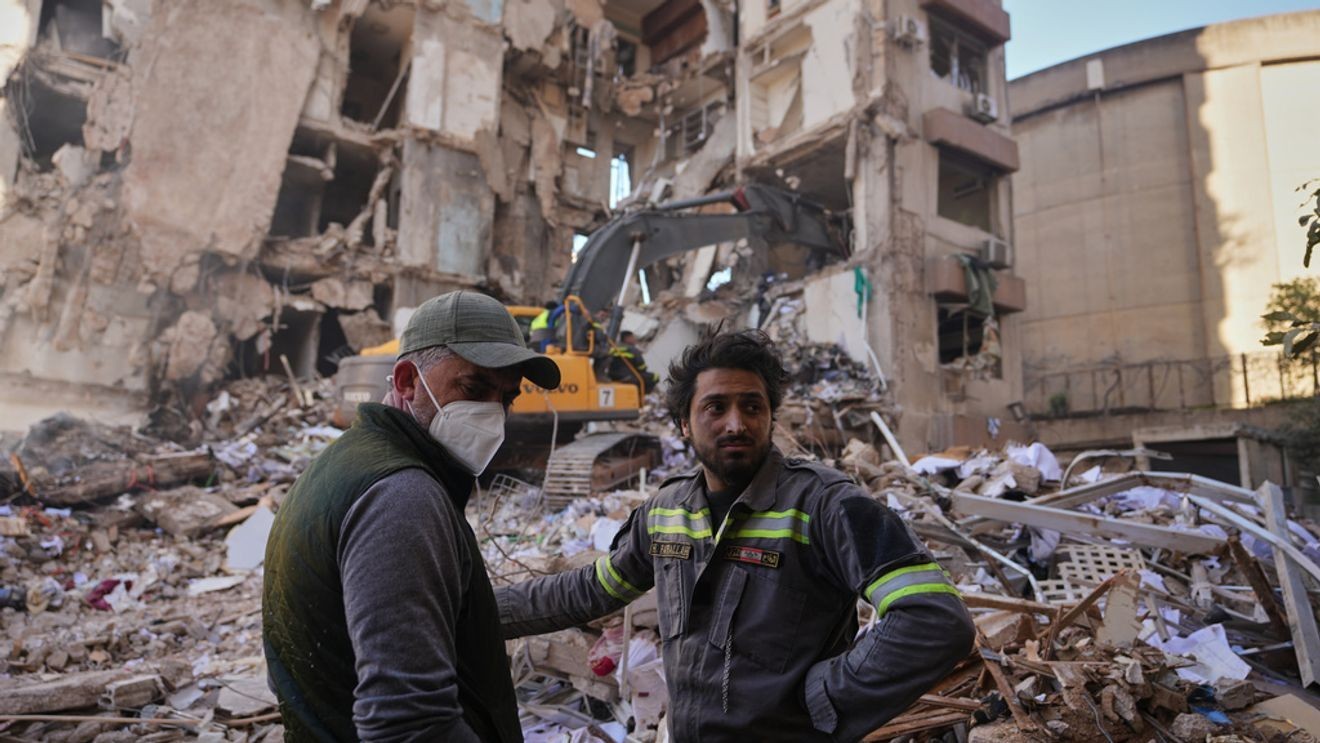
Meanwhile, the conflict between Israel and Hezbollah, which is backed and funded by Iran, continues to escalate. The Israel Defense Forces (IDF) said Wednesday it carried out its largest coordinated strike on Beirut since the war began in February, targeting more than 100 command centers and military sites.
Trump said Thursday that he has asked Netanyahu to scale back the strikes. Early Friday, Israel’s military said it struck approximately 10 launchers in Lebanon that had fired rockets toward northern Israel a day earlier.
A major sticking point in negotiations with Iran is control of the Strait of Hormuz, a critical global shipping route that handles about 20% of the world’s traded oil. Iran has effectively restricted traffic through the Strait since the war began, contributing to a surge in global oil prices and higher fuel costs in the U.S.
Trump complained on Truth Social Thursday that Iran was “doing a very poor job” of allowing the free flow of ships through the waterway.
“That is not the agreement we have!” Trump wrote.
His comments came after he said he was “very optimistic” about the prospects for a peace deal, adding that Iranian leaders appear more flexible in private than in public.
A collapse in talks could risk renewed escalation across the region and further disruption to global energy markets.
Before the conflict, more than 100 ships passed through the strait each day, many carrying oil to Asia. Since the ceasefire took hold, only about a dozen have been recorded transiting the waterway.
_____
Editor’s note: The Associated Press contributed to this article.