
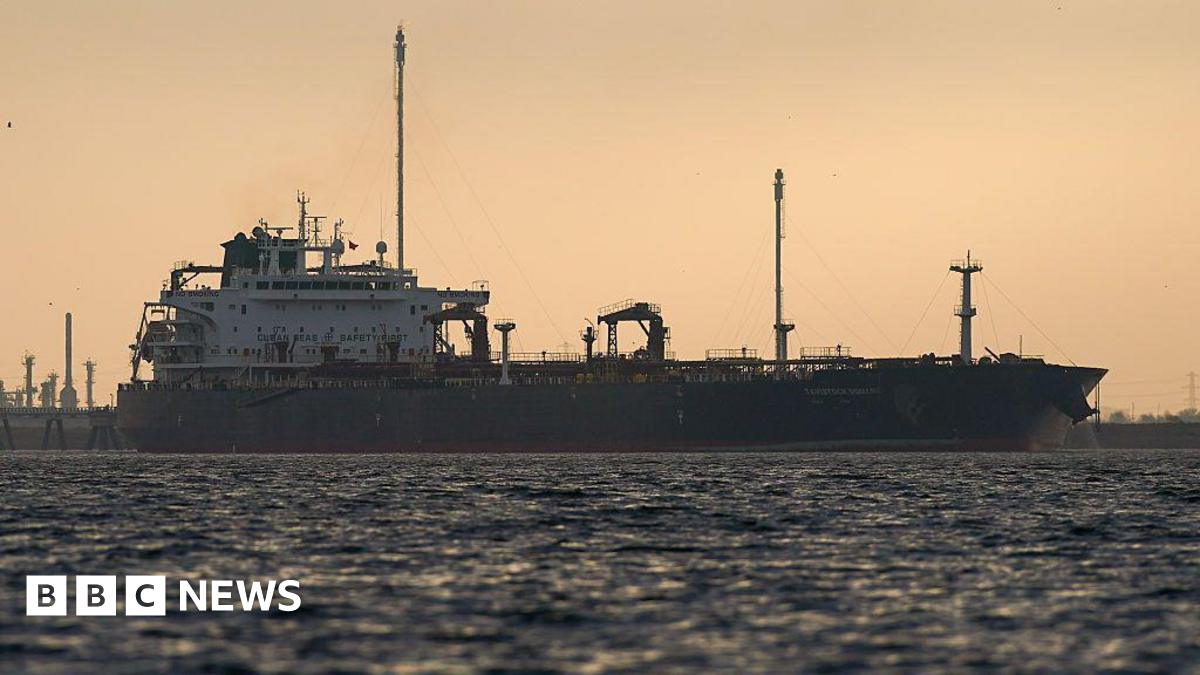
US vice president JD Vance is meeting representatives of the Iranian government in Islamabad in Pakistan on Saturday to try to nail down details of a ceasefire deal that already appears to be in jeopardy after continued air strikes in Israel and Lebanon and a stalemate over the vital shipping lane.
Belcher said Intertanko, which represents 190 independent tanker operators and more than half of the world’s oil tanker fleet, was still advising members not to use the strait as “an attack could take place at any time”.
“We do not believe the Strait is safe until there is a lasting cessation of conflict, where all attacks against ships have halted and where there is some sort of coalition-of-the-willing oversight for ships to go through, where Iran does not have sovereignty of the strait,” he said.
Charging a toll was “against the whole idea of international laws and free passage through international waterways”, he said.
“At the moment the Strait of Hormuz is under the de facto rule of the Iranian military,” Belcher said.
The Iranian Revolutionary Guard Corps (IRGC) a branch of the Iranian military oversees much of Iran’s economic activity, but has been listed as a terrorist organisation by the US and the EU.
“The IRGC is a designated terrorist organisation and so the payment of monies to a terrorist organisation should be avoided,” said Belcher.