
By Sharon Zhang
This article was originally published by Truthout
The death toll from Israel’s massive, 10-minute blitz on Lebanon on Wednesday has surpassed 300 people.
The Trump administration is lying about Lebanon’s inclusion in the Iran ceasefire deal that officials agreed to on Tuesday, as new reporting finds that U.S. President Donald Trump agreed to pause bombardments on the country before Israel launched a horrific wave of airstrikes just hours after the ceasefire went into effect.
CBS reported on Thursday, citing “multiple diplomatic sources,” that Trump was told of and agreed to Lebanon’s inclusion in the ceasefire — and that it would in fact encompass the entirety of the Middle East, including the Gulf countries that Iran has launched retaliatory strikes on.
This reporting sharply contradicts statements from various figures within the Trump administration that were made after Israeli forces bombarded Lebanon, evidently in violation of the agreement.
Vice President J.D. Vance said on Wednesday that the dispute over whether Lebanon was included “comes from a legitimate misunderstanding. I think the Iranians thought that the ceasefire included Lebanon, and it just didn’t,” he told press. Trump and White House Press Secretary Karoline Leavitt also said that Lebanon wasn’t included.
Despite this assertion being, evidently, a lie, Vance went as far as to say that it would be “dumb” if “Iran wants to let this negotiation fall apart” because of Israel’s attack. “We think that would be dumb, but that’s their choice,” he said.
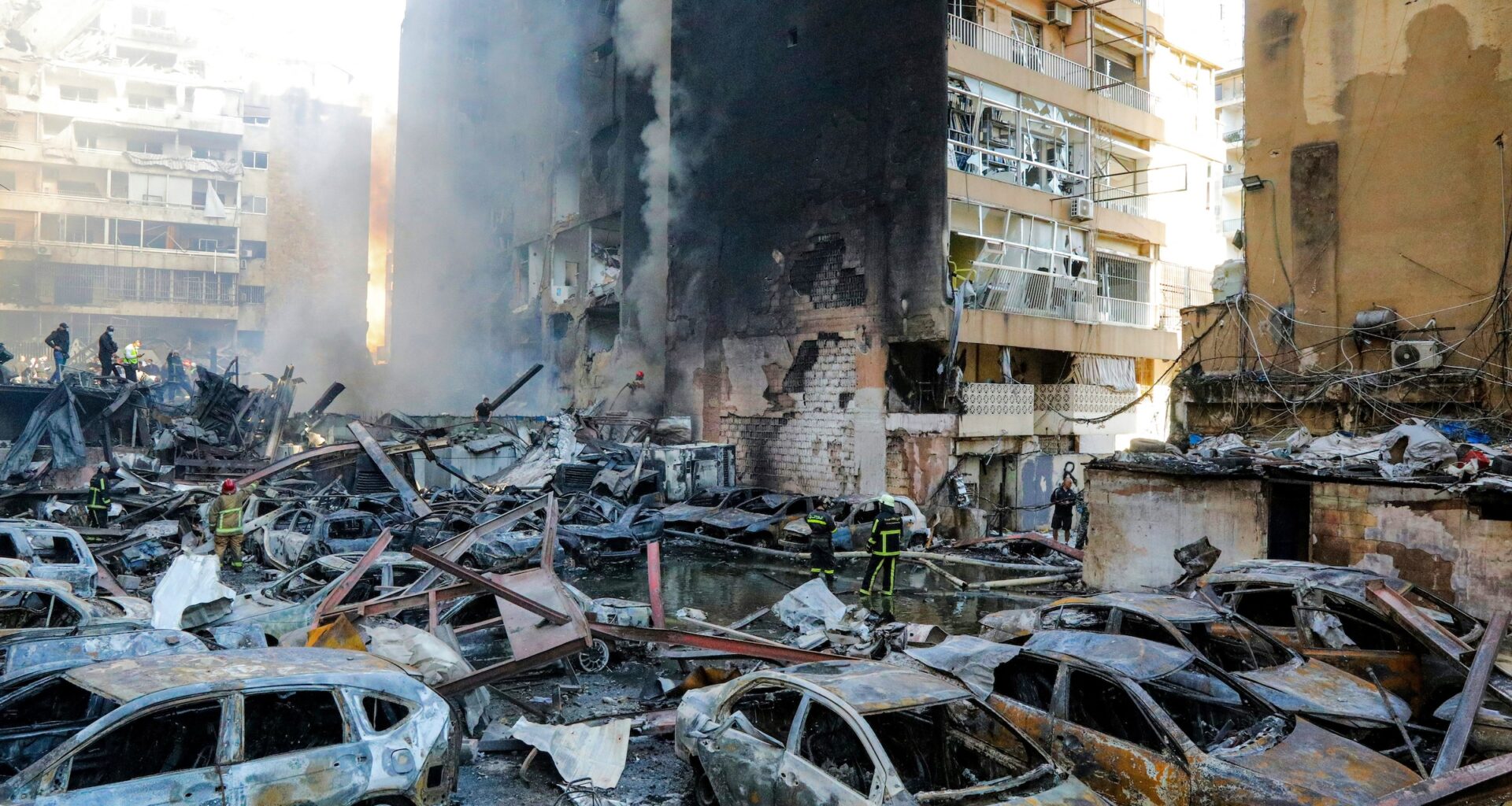
The comment came on Wednesday, less than a day after the ceasefire went into effect, after Israeli forces carpet bombed Lebanon, including the capital of Beirut, in an operation the military dubbed “Eternal Darkness.” The deluge of strikes, which came over the course of just 10 minutes, destroyed buildings across the country, collapsing residential buildings with no warning.
As of Thursday, the death toll from the strikes had surpassed 300, according to Lebanese health officials, with 1,150 injured. Hospitals have been unable to cope with the load, with patients dying as they await care.
Israel has a long history of violating ceasefire deals, especially right as they are announced.
CBS’s report lines up with what Iranian officials have said about Lebanon’s inclusion in the deal, as well as officials from Pakistan, which served as the key mediator for the negotiation of the deal.
“I am pleased to announce that the Islamic Republic of Iran and the United States of America, along with their allies, have agreed to an immediate ceasefire everywhere including Lebanon and elsewhere,” wrote Pakistani Prime Minister Shehbaz Sharif on Tuesday, announcing the agreement.
Earlier that day, Sharif had posted a statement about a progressing ceasefire deal on X that was reportedly directly approved by the White House.
Iranian politicians have sharply criticized the U.S. for excusing Israel’s wanton violence in Lebanon.
“The Iran–U.S. Ceasefire terms are clear and explicit: the U.S. must choose — ceasefire or continued war via Israel. It cannot have both,” said Iranian Foreign Minister Seyed Araghchi.
Araghchi went on to suggest that the U.S. is bending over backwards for Israeli Prime Minister Benjamin Netanyahu’s benefit.
“Netanyahu’s criminal trial resumes on [Sunday]. A region-wide ceasefire, incl in Lebanon, would hasten his jailing,” said Araghchi in a post on X, referencing Netanyahu’s penchant for using military action to postpone proceedings on his criminal trial.
“If the U S. wishes to crater its economy by letting Netanyahu kill diplomacy, that would ultimately be its choice. We think that would be dumb but are prepared for it,” Araghchi went on, in a jab at Vance.
Vance also said on Wednesday that Israel had agreed to step down its attacks, which Trump repeated. However, Netanyahu contradicted them, saying in an address on Thursday: “There is no ceasefire in Lebanon. We continue to strike Hezbollah with full force.”
This article was originally published by Truthout and is licensed under Creative Commons (CC BY-NC-ND 4.0). Please maintain all links and credits in accordance with our republishing guidelines.